


Top-rated arborists.

Best arborists near Corbin City, NJ

Enter your zip and get matched with up to 5 pros

Need a pro for your arboricultural service project in Corbin City, NJ?

Select your specific project to find the pro for you.

TRUSTED BY CORBIN CITY, NJ HOMEOWNERS

  • Average homeowner rating star icon4.7
    Average homeowner rating
  • Verified reviews icon69
    Verified arboricultural services reviews

Top-Rated Arborists in Corbin City - Updated Nov 2026

Avatar for Captain's Tree Service LLC
Captain's Tree Service LLC
4.3(
43
)
Tree RemovalTree Removal - For Business

Serving Corbin City, NJ and surrounding areas

In business since 2007

Free estimates

Emergency services offered

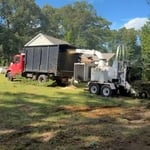
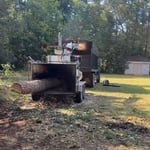
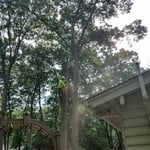
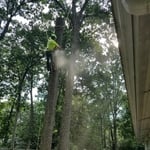
"The crew was organized, worked quickly and cleaned up afterwards. They were very good at carefully lowering cut branches so as not to damage anything in the yard. Very professional. I was pleased with the results and wouldn't hesitate to use them in the future."

Additional Photos
Additional Photos
Additional Photos
Additional Photos
Additional Photos

+17

Response time1 day
Response rate100%
Recommended by89%of homeowners
Avatar for Caruso's Landscape LLC
Caruso's Landscape LLC
4.6(
17
)
Tree RemovalTree Removal - For BusinessTree Stump - Remove+7 more

Serving Corbin City, NJ and surrounding areas

In business since 2012

Free estimates

Emergency services offered

"Excellent! The project turned out exactly as requested and Joe Caruso and his team exceeded all of our expectations. They went above and beyond to make sure everything was done exactly as we wanted it. We were also amazed at how fast Joe responded when we emailed or texted him."
Additional Photos
Additional Photos
Additional Photos
Additional Photos
Additional Photos

+9

Recommended by100%of homeowners
Showing 1-10 of 32
Arborists FAQs, answered by experts

Burning a tree stump can be effective, but it comes with safety considerations and isn’t always best for every situation. It's essential to check local regulations and assess the safety risks involved. Stumps that are near wooden structures or other non-moveable flammable objects aren’t good candidates for burning due to the risk of the fire spreading. Alternatives like grinding or a DIY stump rotting project might be safer and quicker for getting the job done.

It is possible to cut down a tree on your property yourself, but it is generally not recommended unless specific conditions are met. You should only consider this project if the tree is small (e.g., under 4-5 inches in diameter and short enough that you don't need a ladder to reach the branches), and you are experienced in handling a chainsaw. The tree must also be located far from any power lines, fences, homes, or other structures. Even for small trees, the work can be dangerous, and it's always advisable to have a spotter to ensure the tree falls correctly and no branches fall on you.

For any tree that is large, requires a ladder to access, or is near electrical lines or structures, you should always hire a professional. Attempting to remove a large tree yourself is extremely dangerous, poses a risk of serious injury, and could result in significant damage to your property.

Before any tree removal, it's also important to check your local and state regulations to ensure the tree is not historic or otherwise protected by your city.

Dying trees and even dead trees can spread diseases to other living trees. There are many different types of tree diseases, so it’s essential to address the issue as soon as possible to prevent the disease from spreading to other healthy trees. If the tree cannot be saved and is infected, you need to have it removed to protect the other trees on your property.

Yes, burning wood with Dutch elm disease is a safer way to dispose of it than, say, tossing it in with the rest of your yard waste, which could potentially allow it to spread to healthy trees. But it’s always a good idea to check with your local government to make sure you’re complying with any ordinances about removing diseased trees as well as burning brush piles.

Palm tree stumps can take as long as seven to ten years to rot naturally. Whereas some tree stumps rot within a year, palm trees tend to last longer due to their deep root networks. Chemical rotting (described above) can help speed the process up so your palm tree stumps rot in under two months.

The Corbin City, NJ homeowners’ guide to arboricultural services

From average costs to expert advice, get all the answers you need to get your job done.