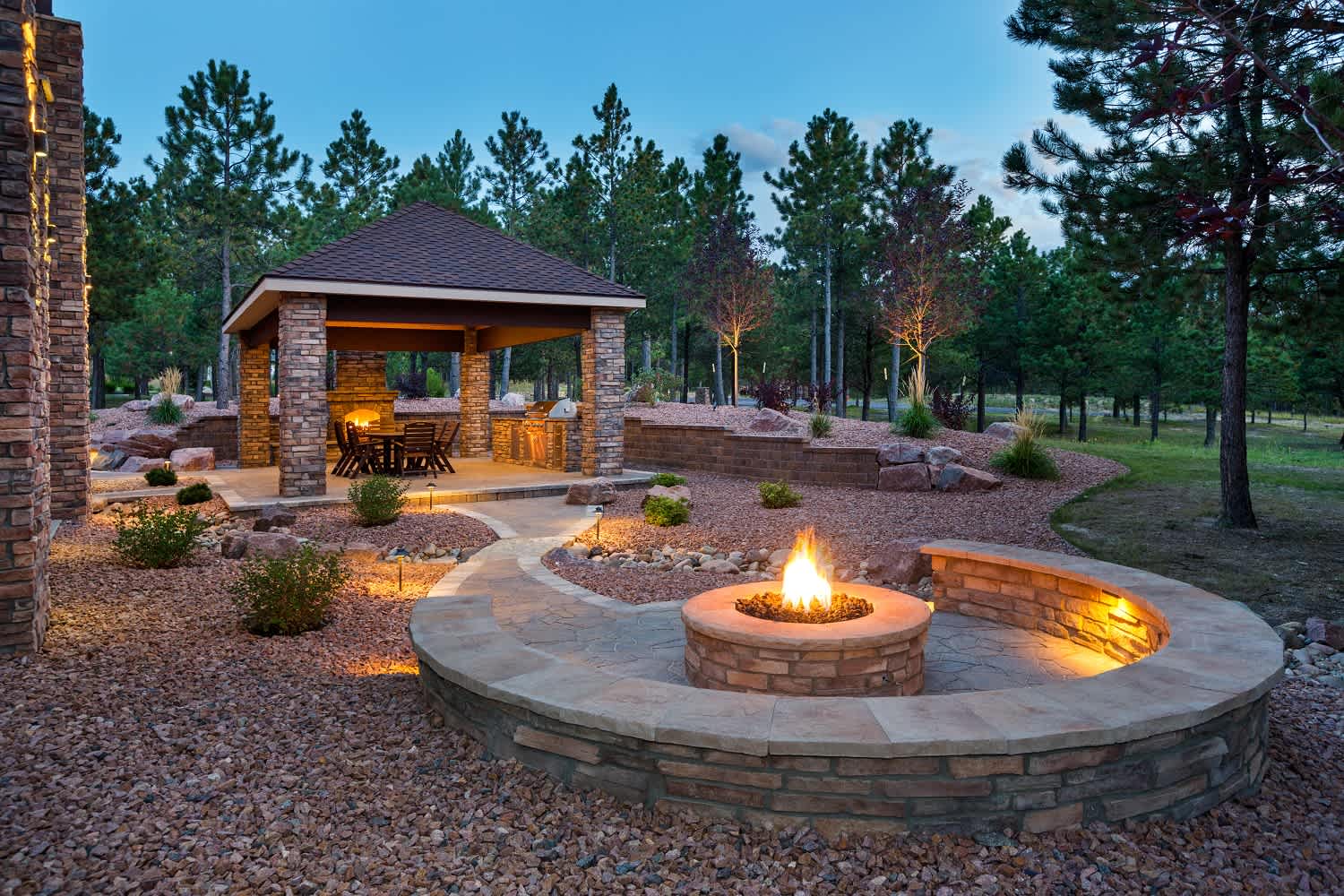








Top-rated fire pit installation pros.

Get matched with top fire pit installation pros in Pine Hill, NJ

Enter your zip and get matched with up to 5 pros

Need a pro for your fire pit installation project in Pine Hill, NJ?

Select your specific project to find the pro for you.

TRUSTED BY PINE HILL, NJ HOMEOWNERS

  • Average homeowner rating star icon4.2
    Average homeowner rating
  • Verified reviews icon253
    Verified fire pit installation services reviews

Find Fire pit installation pros in Pine Hill

No results for Fire pit installation pro in

Try adjusting your search criteria.
Fire Pit Installation questions, answered by experts

No, but they both serve distinct life-saving purposes. Smoke detectors primarily sense the presence of smoke, typically caused by a fire, and emit loud alarms to alert occupants to evacuate. In contrast, carbon monoxide detectors monitor the levels of carbon monoxide gas, an odorless and colorless but deadly substance produced by incomplete combustion of fuels. When CO levels become dangerous, CO detectors sound alarms to warn inhabitants of potential poisoning risks. 

Yes, a water leak poses a major fire risk at your home because water is a conductor of electricity. Water that comes into contact with sparks or electrical wires can instantly ignite flammable materials. Additionally, any type of exposure to water can cause wires and other electrical components within your home to corrode. When assessing categories of water damage, it's important to know that even a small amount of moisture near wiring could cause sparks that lead to a fire.

Yes, it’s worth capping a chimney. Here are several reasons to install a chimney cap:

  • Keep out rain, snow, wildlife, and other debris

  • Help prevent chimney fires

  • Reduce your chimney’s exposure to moisture

  • Maintain your chimney flue liner

  • Help reduce energy bills by helping regulate your home’s temperature

There are several maintenance tips you should take to ensure your pellet stove's safety and proper maintenance. You should vacuum the ash pan every week to prevent overflowing and clean the stove and surrounding vents every three to four months. It’s also important to get a professional inspection every year and install a carbon monoxide detector close to your stove. Be sure to dispose of hot ashes in a closed metal container; store it outside, away from the house. Only use the pellets recommended by your stove's manufacturer, and follow any cleaning and maintenance instructions.

In most cases, having a fire hydrant installed on your property, whether it’s maintained by you personally or your municipality, will reduce your insurance premiums. Its proximity to any buildings on the property will reduce the time it takes to put out a fire, thus reducing the resulting damage.

The Pine Hill, NJ homeowners’ guide to fire pit installation services

From average costs to expert advice, get all the answers you need to get your job done.