






Top-rated fire pit installation pros.
Get matched with top fire pit installation pros in Lawnside, NJ

Enter your zip and get matched with up to 5 pros

Need a pro for your fire pit installation project in Lawnside, NJ?

Select your specific project to find the pro for you.

TRUSTED BY LAWNSIDE, NJ HOMEOWNERS

  • Average homeowner rating star icon4.4
    Average homeowner rating
  • Verified reviews icon216
    Verified fire pit installation services reviews

Find Fire pit installation pros in Lawnside

No results for Fire pit installation pro in

Try adjusting your search criteria.
Fire Pit Installation questions, answered by experts

Yes, there are regulations on using wood stoves, particularly concerning emissions and installation standards. The Environmental Protection Agency (EPA) sets emission limits for wood stoves to ensure they burn cleaner and more efficiently. Additionally, local building codes may have specific requirements for installation and venting, so it's essential to check with local authorities before installing or upgrading your stove.

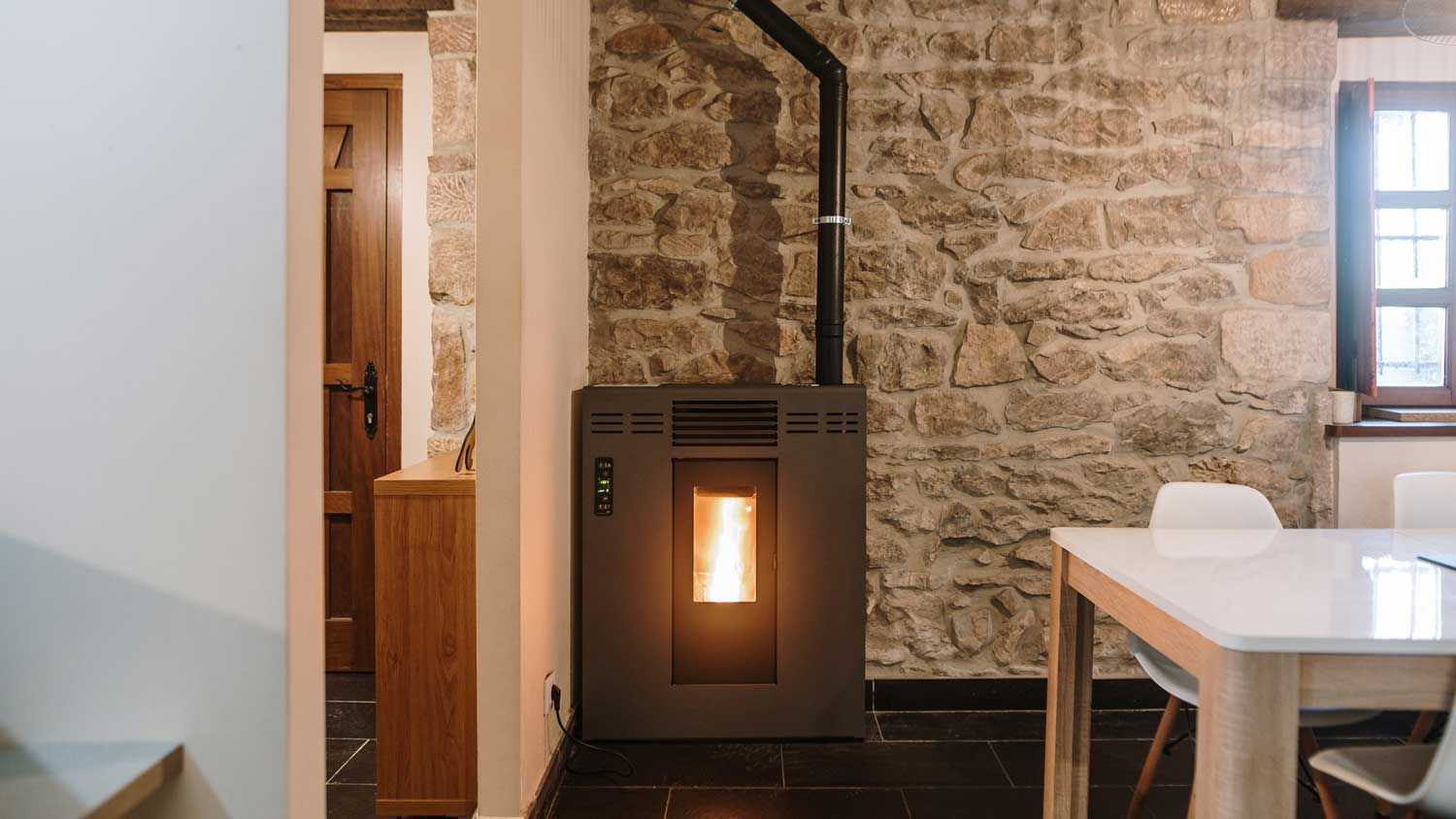
No. Pellet stoves are specifically designed to burn manufactured wood or biomass pellets. Attempting to burn other materials, such as regular firewood or paper products, can damage the stove, compromise its efficiency, and even pose safety hazards due to inconsistent combustion and increased emissions. It's crucial to follow manufacturer guidelines and only use pellets that are specifically recommended for your pellet stove model to ensure safe and optimal performance over its life span.

Yes, you should seal and cap an unused chimney to protect it from damage. Sealing the structure helps prevent moisture damage, which can lead to issues like cracks, spalling, efflorescence, and damaged mortar joints. Capping the chimney is also crucial to prevent blockages, damage from invasive critters, and downdrafts, while still allowing for proper air ventilation to manage moisture. For the best results, consult a chimney professional to select the right type of chimney or flue cap for your home. It's also wise to continue with annual chimney inspections to maintain the structure's integrity.

Yes, you can close off a fireplace both temporarily and permanently with extremely wide price ranges. Temporary solutions involve fireplace plugs that can be inflated to block air and deflated to open the fireplace, covers, and boards. Permanent methods of shutting off fireplaces usually involve bricking up the fireplace or covering it with drywall. No matter the method, it’s probably best to hire a professional.

You should not attempt to disable a smoke alarm unless you’ve already activated a replacement unit. To stop a hardwired smoke alarm from beeping, reset the device or silence the alarm. If you’re removing a hardwired alarm, shut off the power, turn the unit counterclockwise to remove it from the ceiling, and disconnect the wiring.

The Lawnside, NJ homeowners’ guide to fire pit installation services

From average costs to expert advice, get all the answers you need to get your job done.