






Top-rated excavation pros.

Best excavation pros near New Egypt, NJ

Enter your zip and get matched with up to 5 pros

Need a pro for your excavation project in New Egypt, NJ?

Select your specific project to find the pro for you.

TRUSTED BY NEW EGYPT, NJ HOMEOWNERS

  • Average homeowner rating star icon4.5
    Average homeowner rating
  • Verified reviews icon31
    Verified excavation services reviews

Top-Rated Excavation pros in New Egypt - Updated Nov 2026

Avatar for All Phase Construction Services, LLC
All Phase Construction Services, LLC
4.7(
20
)
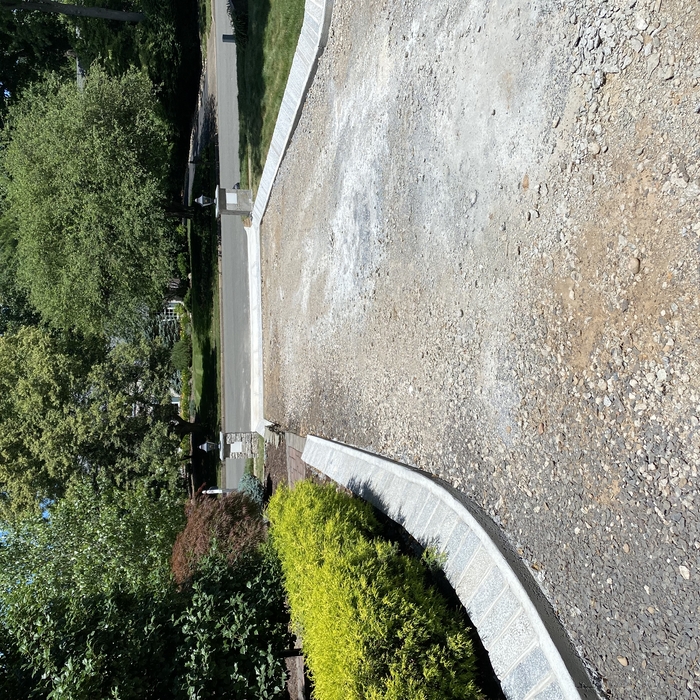
Building Site - Preparation and ClearingBuilding Site - Preparation and Clearing - For BusinessExcavation - Major Grading or Resloping+1 more

Serving New Egypt, NJ and surrounding areas

In business since 2009

Free estimates

"Recently had a house down by the shore taken down by All phase Demolition and despite my hesitations I could not have been more satisfied with the quality of work and professionalism of the owner, Damian. From start to finish he made me feel so comfortable. Damian is a hands on owner and makes sure he is available throughout the entire process. His crew not only went above and beyond to get the job done, but they also were very friendly and reliable. Would love to give this company 5+ stars! Will definitely be referring All Phase Demolition to my friends and family."
Future Chipotle®
Future Buffalo Wild Wings®
Future Applebees Bar & Grill®
Before & After Buffalo Wild Wings®
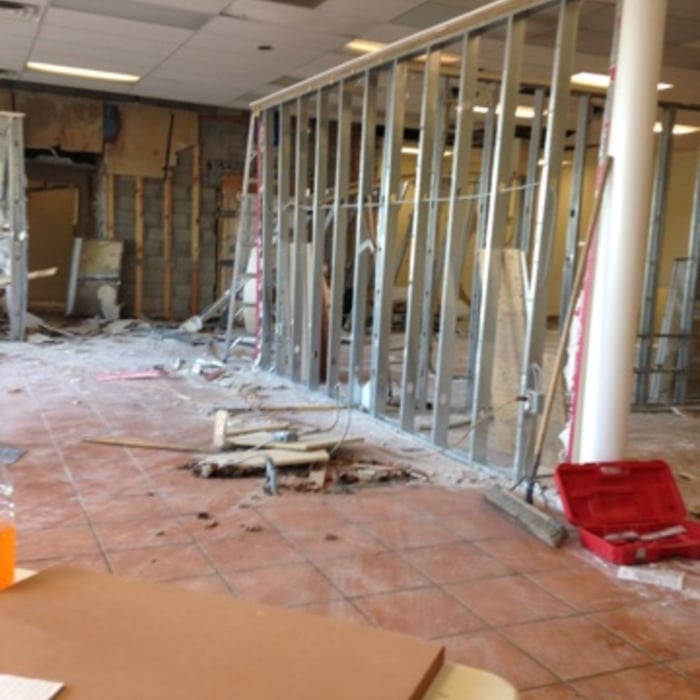
Existing Tanning Salon Remodel

+45

Response time1 day
Recommended by100%of homeowners
Avatar for DOUBLE TREE TRIMMING & REMOVAL SERVICES
DOUBLE TREE TRIMMING & REMOVAL SERVICES
4.8(
21
)
Building Site - Preparation and ClearingBuilding Site - Preparation and Clearing - For BusinessExcavation - Major Grading or Resloping+2 more

Serving New Egypt, NJ and surrounding areas

In business since 2002

Emergency services offered

Credit card accepted

"This crew is amazing!  My uncle needed to have a tree removed from our
backyard... I'm talking HUGE with many of the biggest limbs leaning over
our neighbors house.  He came over right away and gave a reasonably
priced quote.  I discussed it with my uncle and decided to go ahead and
use his services.  He removed this tree in two days, even with it being
some of the hottest days its been in a while!  His whole crew was
extremely kind and they made sure to clean up very carefully after they
were done. They even took a look at my broken car when they
noticed me filling my radiator with water!  We were thrilled with the
services this crew gave us and would recommend them to anyone.
"
Recommended by100%of homeowners
...
Showing 1-10 of 127
Excavating FAQs, answered by experts

You can bury underground electrical wire six inches deep—but only if you use a rigid metal electrical conduit. For rigid, non-metallic conduits, bury the wire at least 12 inches deep. If using an underground feeder cable rated for direct burial, you'll need to place it at least 18 inches deep, as it has no conduit for extra protection.

Septic drain lines (or leach lines) are typically buried between 18 and 36 inches underground, and should be at least 6 inches below the surface. These pipes are perforated and surrounded by filtering materials like sand or gravel. Burying the lines at this depth helps minimize odors and allows bacteria and other biological processes in the soil to effectively treat the wastewater. Burying lines too close to the surface can cause issues unless the soil is very compact and stable.

The rules for trenching and excavation include setting up and following safety protocols, learning how to use tools and machines properly, and ensuring there is a safe exit for all workers. Keep heavy equipment and materials away from the edge of the hole or trench. Call the 811 dig line before starting any excavation or trenching project to ensure you don’t hit any electrical or gas lines.

As a general rule, the protected area should be about 1½ times as wide as the canopy of the tree’s leaves. This digging measurement can vary by tree species and the age of the tree. Of course, that can be a lot of fencing for larger trees, which is why our first step is about making difficult decisions on which trees to save.

There are several methods to hollow out a tree stump, and the best one depends on your tools, experience, and priorities. Common methods include using a chisel and hammer, a chainsaw, or burning.

  • Chisel and Hammer: This is often considered the easiest approach for those with limited tools or experience, though it is the most time-consuming.

  • Chainsaw: Using a chainsaw is the fastest method, but it comes with significant safety risks, especially for inexperienced users.

  • Burning: This can be an effective method, but it is not recommended unless you can first drill holes into the stump. Without holes, the stump will be difficult to light and may not burn completely through.

A power drill with at least a ⅜-inch diameter bit can make the job quicker and easier, regardless of the primary method. While you can use a chisel or chainsaw without a drill, it will require more time and effort. Always wear protective goggles and thick gloves, as splinters are an inevitable risk.

The New Egypt, NJ homeowners’ guide to excavation services

From average costs to expert advice, get all the answers you need to get your job done.