





Top-rated fire pit installation pros.

Get matched with top fire pit installation pros in Marmora, NJ

Enter your zip and get matched with up to 5 pros

Need a pro for your fire pit installation project in Marmora, NJ?

Select your specific project to find the pro for you.

TRUSTED BY MARMORA, NJ HOMEOWNERS

  • Average homeowner rating star icon4.5
    Average homeowner rating
  • Verified reviews icon202
    Verified fire pit installation services reviews

Find Fire pit installation pros in Marmora

No results for Fire pit installation pro in

Try adjusting your search criteria.
Fire Pit Installation questions, answered by experts

You should never block both the top and bottom of your chimney. Proper airflow is essential because the temperature inside the chimney will still fluctuate as your house warms and cools. Moisture can build up without ventilation, leading to dampness in your walls over time. Blocking the top prevents debris and animals from entering, but the chimney still needs air circulation to avoid condensation issues. Allowing the chimney to breathe maintains the health of your home and prevents long-term damage.
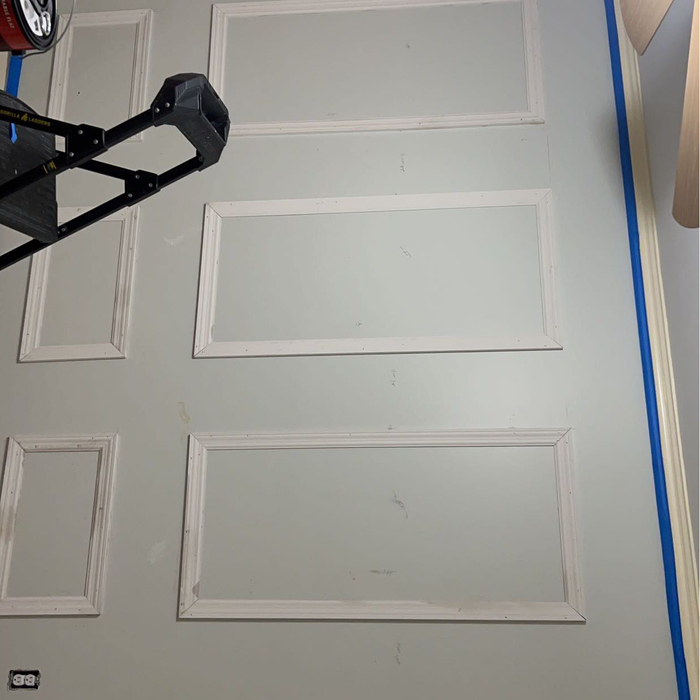

Yes, an electrical fire can start even if nothing is plugged into an outlet. While a correctly functioning outlet poses no risk, a fire can be caused by faulty wiring, damaged outlet components, an overloaded circuit, or other electrical problems hidden behind the walls. If you suspect a fault, immediately turn off the circuit breaker and contact a professional electrician to diagnose and repair the issue.

Depending on who’s doing the estimating, about 22,000 to 25,000 chimney fires happen each year in the United States. Given the fact that millions of Americans have fireplaces (and chimneys), that means chimney fires aren’t exactly common—but they’re not rare, either. Since they’re so dangerous, it’s important to take precautions to prevent them.

You should only use water to put out a fire in your fireplace in an emergency situation. Even then, it is better to use a fire extinguisher to put out a fire quickly. Make sure every room in your house that has a fireplace also has a fire extinguisher—and that everyone in your household knows how to use one.

Generally, an oil furnace is considered safer than a gas furnace for several reasons. While both types of furnaces can produce carbon monoxide, a leak in an oil furnace is easier to detect due to the smell. Oil furnaces also don't connect to a gas pipeline, which reduces the chance of a fuel leak. Most importantly, heating oil is not combustible, whereas natural gas is highly flammable. This means there is a much lower risk of combustion or explosion with an oil furnace. However, an oil furnace can still pose a fire hazard if it tips over.

The Marmora, NJ homeowners’ guide to fire pit installation services

From average costs to expert advice, get all the answers you need to get your job done.