
Get matched with top backsplash installation pros in Closter, NJ

Closter homeowners rate backsplash installation pros in our network
4.5

(399 reviews)

Top-rated backsplash installation pros.

Need a pro for your backsplash installation project in Closter, NJ?

Select your specific project to find the pro for you.
Backsplash Installation questions, answered by experts

Yes, provided you aren’t installing drywall over it. But you can skim coat it, apply new tile right on top, paint it, or stencil it. For more budget- and DIY-friendly options, you can install beadboard or apply decals. Just make sure that the current tiles are in good condition and prepped well for the paint or adhesive to stick.

You can technically install tile over tile, but we don’t suggest it. Installing tile over any surface that isn’t a completely flat and prepared subfloor will result in a shoddy overall job, uneven flooring, tiles that don’t adhere, extra weight, gaps, cracks, and room for moisture and dirt to enter. For the best results, only install new tile on a flat, sanded surface like subflooring or concrete that is prepared for tile.

If you have asbestos tile and would rather tile over it than remove it, or if your existing tile is completely flat and bonded tightly to the floor, you may be able to tile over existing tile. But experts recommend thinking twice before you do.

Yes, you can install a backsplash directly onto drywall, provided the wall is properly prepped, clean, and dry. For best results, especially in kitchen areas, your walls should be made of moisture-resistant drywall, often called green board. If your current wall isn't moisture-resistant, it's recommended to replace it before installing the backsplash. For even greater protection against water damage, you can remove the existing drywall and install a tile backer board or cement board instead. While properly installed standard drywall is typically strong enough to support a backsplash, some local building codes may require water-resistant materials in kitchen areas, so it's a good idea to check.

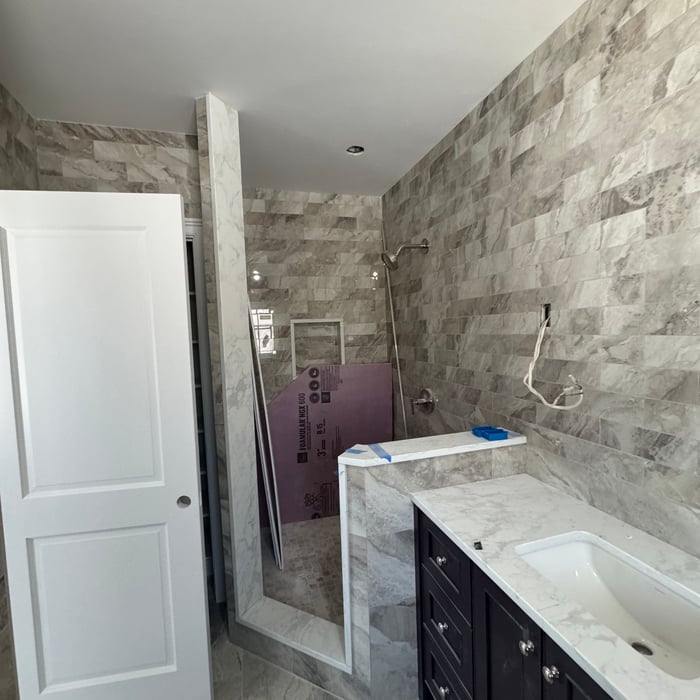
On average, tiling a shower costs between $1,800 and $5,000, with most people paying around $2,700. The price of this project depends on multiple factors, including the kind of tile you choose, the size of your shower, and labor rates in your area. If you decide to tile your own shower (instead of hiring a professional), it’ll likely cost $800 to $1,400.

Regardless of the material, basic square tiles will never go out of style. Neutral colors like white, grey, beige, and black will always be in demand in residential and commercial settings. Certain designs, like herringbone and hexagonal patterns, are considered timeless. Porcelain and porcelain-like tiles will also never go out of style.