








Top-rated arborists.

Best arborists near Alloway, NJ

Enter your zip and get matched with up to 5 pros

Need a pro for your arboricultural service project in Alloway, NJ?

Select your specific project to find the pro for you.

TRUSTED BY ALLOWAY, NJ HOMEOWNERS

  • Average homeowner rating star icon4.4
    Average homeowner rating
  • Verified reviews icon62
    Verified arboricultural services reviews

Top-Rated Arborists in Alloway - Updated Nov 2026

Avatar for L.A.J.E. Bros
L.A.J.E. Bros
4.8(
19
)
Tree RemovalTree Removal - For BusinessTree Stump - Remove+5 more

Serving Alloway, NJ and surrounding areas

In business since 2022

Free estimates

Small jobs welcome

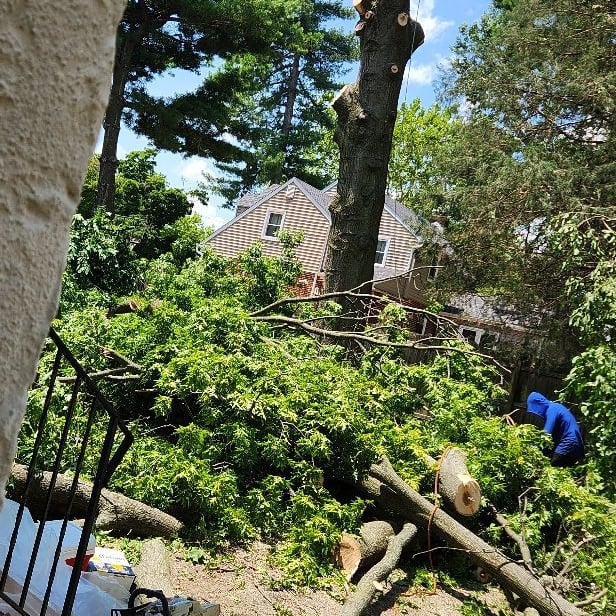
"The crew removed overgrown plants, trees and shrubs from the front flowerbeds very quickly. They planted new shrubs and flowers, and spread mulch. All of this was done within 4 hours, and it looks very nice. They also trimmed some overhanging branches and felled a dead tree and removed the debris. The work area was cleaned and raked, and looks great."
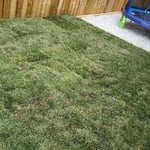
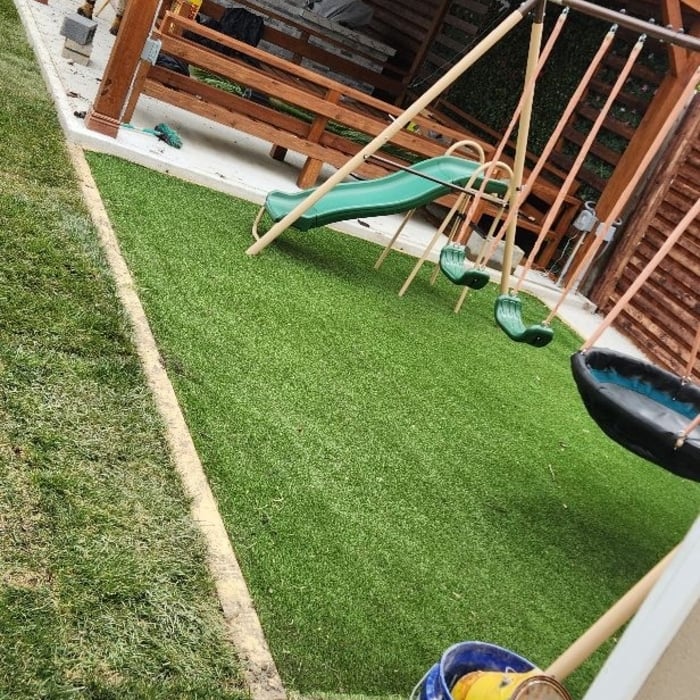
Landscaping Project
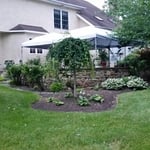
Landscaping Project
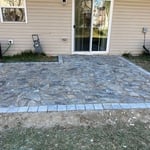
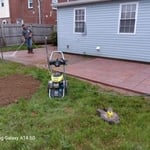
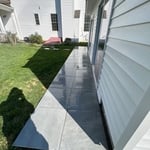
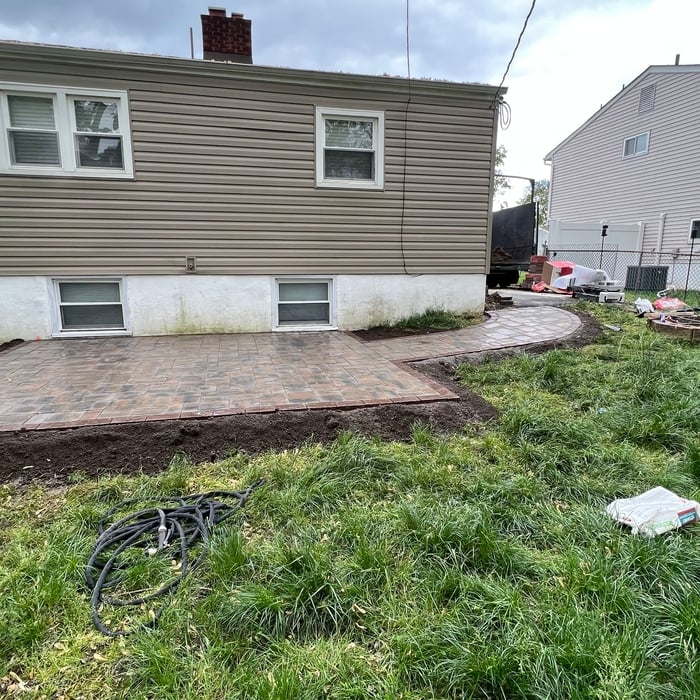
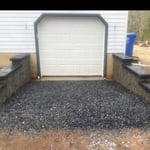
Pavers and Hardscaping Project
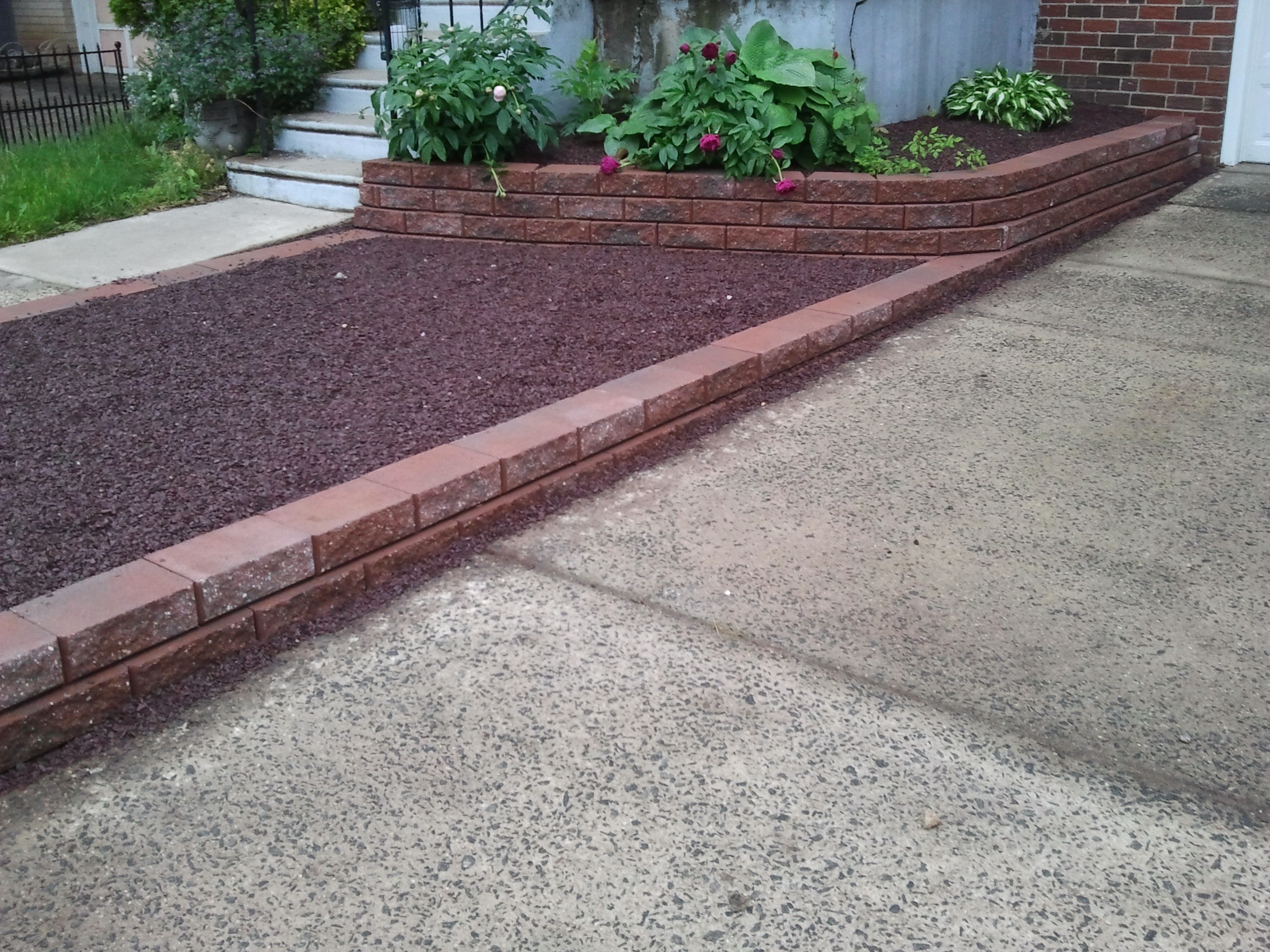
Landscaping - Hardscaping & Pavers Project
Pavers and Hardscaping Project

+85

Recommended by100%of homeowners
Avatar for Jonick LLC
Jonick LLC
3.8(
378
)
Tree RemovalTree Removal - For BusinessTree Stump - Remove+5 more

Serving Alloway, NJ and surrounding areas

In business since 2007

Free estimates

Emergency services offered

"Jonick LLC did a great job of trimming our ivy. They were a little late because of car trouble, but once they arrived they did what needed to be done quickly and effectively and they cleaned up after themselves perfectly. The patio was cleaner than I left it for them and the ivy looks great."
Additional Photos
Additional Photos
Additional Photos
Recommended by78%of homeowners
Avatar for Rovase Project llc
Rovase Project llc
3.7(
238
)
Tree RemovalTree Removal - For BusinessTree Stump - Remove+5 more

Serving Alloway, NJ and surrounding areas

In business since 2003

Free estimates

Emergency services offered

"He was a nice guy, and the pergola looks great. BUT he overestimated how much lumber I'd need so now I have $700 worth of lumber sitting in my garage going to waste. The pergola sways a little bit in the wind and he recommended adding more columns for another $900. He was already way over the original estimate. The screws holding he columns to the concrete are only halfway screwed in so I'm getting that redone. After everything was done, I paid him over $5000 and he still hasnt sent me a receipt. I wouldn't use this company again."
Additional Photos
Additional Photos
Additional Photos
Additional Photos
Additional Photos

+86

Recommended by72%of homeowners
...
Showing 1-10 of 51
Arborists FAQs, answered by experts

If you’re planning on keeping the tree, unless the roots are invasive, there’s no need to remove them, as doing so can cause damage to the tree. If the tree has been cut down and the stump and roots are left, grinding and removing the stump can cause root decay for some species. For other species, the stump and roots will need to be removed to prevent pests, disease, and possible tree regrowth.

Trees aren't big fans of moving, and they do go into shock during a transplant. Although most carefully thought-out tree transplants see the tree recover from the shock just fine, there is always a risk of having an unsuccessful move. Proper preparation, timing, and diligent aftercare are crucial to minimize the risks when transplanting a tree.

The typical lifespan of a Bradford pear is relatively short, only 15 to 25 years. However, these trees have issues long before their life is over. Due to their soft wood and fast-growing branches, Bradford pear trees often split around 15 years, making them a risk for falling branches and more prone to disease. 

Early signs that a tree is struggling include premature leaf shedding and lesions or other strange markings. Peeling bark, dead or rotten branches on the ground, and a conspicuous lack of leaves can all be signs that a tree has started to die. By the time a tree starts leaning, it’s usually too far gone to save.

A chainsaw is the best tool to cut down a tree, but you may also use a handsaw or ax. You may also want to use a lopper or pole saw to remove limbs before cutting down the tree. Wear chainsaw chaps and protective gear, including eyewear and earplugs if you use a chainsaw. Again, if you’re unsure about how to use this tool, this project may be one to skip.

The Alloway, NJ homeowners’ guide to arboricultural services

From average costs to expert advice, get all the answers you need to get your job done.