





Top-rated structural engineers.

Get matched with top structural engineers in Wilton, NH

Enter your zip and get matched with up to 5 pros

Need a pro for your structural engineering project in Wilton, NH?

Select your specific project to find the pro for you.

Find Structural engineers in Wilton

Avatar for LifeCycle Transitions
LifeCycle Transitions
3.8(
175
)

Serving Wilton, NH and surrounding areas

In business since 2007

Free estimates

Emergency services offered

"The team was great! Do to the fact it was a hectic period in my life, I  needed most of the communication to be done over e-mail which they did. The quality of work exceeded my expectations. The unit is on the 10th floor 
and build staff made a point to tell me how respectful the team was to them and to others in the building. This group made what could have been a stressful experience, an experience where I did not have to think about the details of prepping the unit for sale.
"
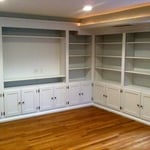
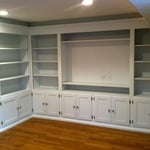
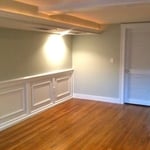
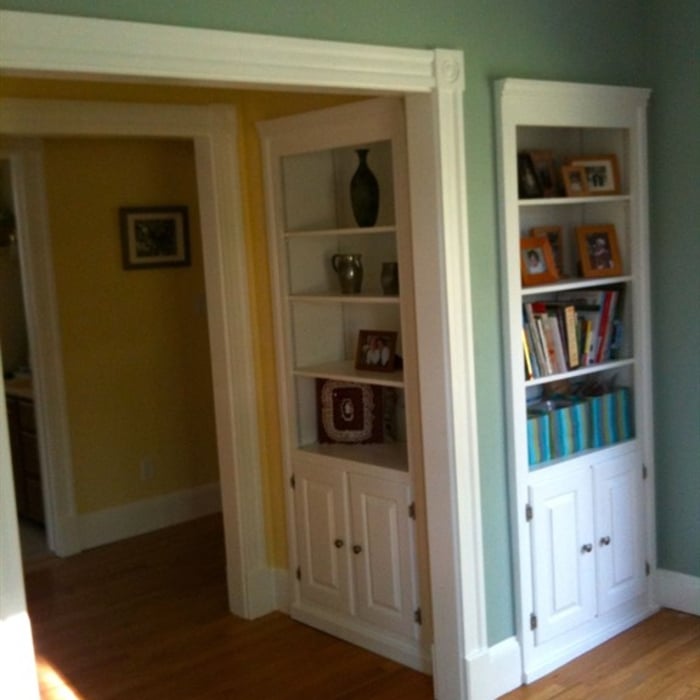
Additional Photos
Additional Photos
Additional Photos
Additional Photos
Additional Photos

+49

Recommended by77%of homeowners
Zach Engineering
New to Angi

Serving Wilton, NH and surrounding areas

Emergency services offered

Small jobs welcome

Credit card accepted

I have been working for 20 years in both residential and commercial archtiectural construction field.\n\nI am a structural & MEP professional engineer who exceptionally values customer satisfaction.\nI’ve started structural engineering at the age of 20, and since then it has been an inseparable friend of mine.\n\nI also have a rising architect and engineer teamnates who are registered in 34 states, United States and a holder of an NCARB certificate that allows me to be registered in most states. \n\nOur services include:\n- Full plan sets\n- Architectural plans\n- Structural plans\n- Civil plans\n- MEP plans\n- HVAC plans\n- Structural calculation reports\n- Structural analysis and design\n- 3D modeling of buildings\n- Title 24 compliance\n- Review and stamping of plans\n- Fire Protection Systems Desgin.\n\n\nI am committed to delivering high-quality work with exceptional standards, meeting deadlines, and providing fair pricing. I look forward to the opportunity to do business with you.\nThanks.\n

Structural Engineering questions, answered by experts

First, most contractors will have a structural engineer create a report and plan for your project to ensure it’s safe to cut into the load-bearing wall. The contractor will then excavate around the wall, if necessary, measure the opening—allowing for additional space to fit and level the door, and then cut the doorway out. They will likely install a steel lintel as a header over the door for support. Once the doorway is cut out, they’ll demolish the concrete using sledge hammers and masonry chisels, clean up the surrounding concrete, and seal around the door with masonry mortar. 

A structural engineer evaluates any structural components, like floors, foundations, walls, and roofs, to ensure they can support the structure. They also consider the soil quality in your area, potentially extreme weather conditions, and proximity to bodies of water and groundwater to ensure your building can withstand any stresses placed on it by the surrounding environment. Structural engineers work on both new and existing buildings.

A 4-inch-thick concrete slab can support around 4,000 pounds per square foot if a contractor reinforces the slab with rebar, while that same slab without reinforcements will support closer to 1,000 pounds. For the purposes of a patio, 4 inches in thickness without reinforcement should suffice unless you’re installing heavy kitchen equipment or a hot tub on it. In those cases, reinforcing your slab and sticking with 4 inches of thickness should provide plenty of strength.

The best way to determine if ceiling cracks are structural is to hire a ceiling contractor to inspect the cracks and provide a professional opinion. That said, you might be able to make an educated guess based on the size and appearance of the crack. Larger cracks, cracks accompanied by sagging or discoloration, and cracks that travel from the ceiling down the walls are all signs of structural issues.

Water can seep into porous materials like wood beams, floor joists, and roof rafters within minutes, but they’ll need to see prolonged exposure before you have structural damage. Mold can start growing within 24 hours, and mold can eat away at the structural components over time. Wood rot is more of a concern, though. Wet and dry rot are fungal infections that set in in moist conditions and rapidly deteriorate wood, causing major structural damage within just a few months in some cases.

The Wilton, NH homeowners’ guide to structural engineering services

From average costs to expert advice, get all the answers you need to get your job done.

What do you need done? We’ll find top pros.
  • 🌱 "Mow a small front yard"
  • 🛠 "Fix a leaking pipe under the sink"
  • 🏠 "Repair shingles on an asphalt roof"