




Top-rated generator install pros.

Get matched with top generator install pros in Jackson, NH

Enter your zip and get matched with up to 5 pros

Need a pro for your generator install project in Jackson, NH?

Select your specific project to find the pro for you.

Find Generator install pros in Jackson

Avatar for Vermont Generator Systems
Vermont Generator Systems
5.0(
1
)

Serving Jackson, NH and surrounding areas

Approved

In business since 2008

Free estimates

Emergency services offered

Since 2004, Vermont Generator Systems has proudly supported the backup power needs of homes and businesses across parts of Vermont and New Hampshire. Our experienced team is with you every step of the way, from the initial site assessment to professional installation and ongoing maintenance. VGS has deep expertise in installing and servicing Generac generator systems.

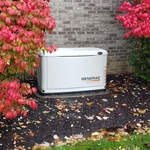
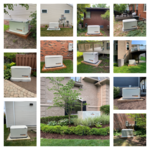
Check out our Generic Generator Installations!
A collage of recent Generator Installations!
Response time6 hrs
26 neighbors recently requested a quote
Avatar for Evan Jones- Master Electrician, LLC
Evan Jones- Master Electrician, LLC
4.0(
22
)

Serving Jackson, NH and surrounding areas

Approved

In business since 2004

Free estimates

Small jobs welcome

"Excellent customer service from start to finish. Electrician Eric and technician Johnathan were very professional and did an outstanding job. Nice to see young men practicing their trade so well. Highly recommend them without any reservations. Satisfied customer."
Response time3 days
Recommended by88%of homeowners

Avatar for SW WOOD LLC
SW WOOD LLC
5.0(
1
)

Serving Jackson, NH and surrounding areas

Approved

Free estimates

Emergency services offered

Small jobs welcome

"I was very pleased with the work he did, he has a nice way of explaining things , I sure I will hire him again for other projects when needed he is a very pleasant person to deal with. Tank you Scott for being such a nice guy ."
25 neighbors recently requested a quote
Avatar for Power Moves Electric, LLC
Power Moves Electric, LLC
5.0(
11
)

Serving Jackson, NH and surrounding areas

Emergency services offered

"From the very beginning to the end the experience was exceptionally good. The price was great, professionalism top-notch and the work was extremely high-quality. We knew exactly what to expect along the way and I would recommend them to anyone."
Recommended by100%of homeowners
Avatar for JM Electric LLC
JM Electric LLC
4.5(
26
)

Serving Jackson, NH and surrounding areas

In business since 1989

Free estimates

Emergency services offered

"The amount of work that needed to be done to our 1880 house was extensive. Joe listened to our needs and concerns and offered suggestions that improved our plans. His quote was very fair. He is easy to talk to, professional and honest. Caleb and Dylan who did the work were amazing to deal with. They were very knowledgable, worked hard, and were careful and patient dealing with the oddities of an old house. I highly recommend this company and will call on them for all my electrical needs."
Additional Photos
Additional Photos
Additional Photos
Additional Photos
Additional Photos

+15

Recommended by100%of homeowners
Showing 1-10 of 18
Generator Install questions, answered by experts

You can expect a diesel generator to last for up to 30,000 hours of use, which works out to 20 to 25 years with the proper maintenance, of course. That depends on how much you use it, so a diesel generator used for emergencies a couple of times a year will last a lot longer than a generator that takes over for a faulty electrical grid every month for a day or two. 

To determine the right size generator for your house, you should calculate the total wattage of the appliances and devices you want to power during an outage. List all essential items, note their start-up wattages, and add them together.

Here are some typical wattage requirements for common appliances:

  • Refrigerator: 600 watts

  • Large dehumidifier: 700 watts

  • Large window air conditioner: 1,400 watts

  • Water heater: 3,000 to 4,500 watts

  • Electric furnace: 5,000 to 25,000 watts

A 7,500-watt generator might be sufficient for essentials like a refrigerator, freezer, well pump, and lighting circuits. However, for high-demand items like a water heater or furnace, a whole-home generator is a better choice. A portable generator may be enough if you only need to power a few critical items.

While home square footage can offer a rough estimate, it is not always a reliable indicator. For reference, here are some typical generator sizes based on square footage:

  • 1,000 sq ft: 6–9 kW

  • 1,500 sq ft: 7–10 kW

  • 2,000 sq ft: 10–14 kW

  • 2,500 sq ft: 12–16 kW

  • 3,000 sq ft: 16–20 kW+

For the most accurate sizing, consult a professional who can calculate your home's peak and average power consumption and recommend the optimal generator.

While diesel is relatively stable, it won’t last nearly as long as propane and you may have to replace it if it sits unused for too long. Diesel can sometimes struggle to work efficiently or start engines during especially cold weather, so it’s not the best choice for every climate. Compared to fuels like propane and natural gas, diesel generators tend to be noisier and create more exhaust, which isn’t always ideal for home use.

Carbon monoxide emissions aren’t only dangerous to human life, but they also harm our planet. While natural gas generators emit lower levels of CO than other fuel sources, there are still ways to reduce emission levels. For example, shop around for an eco-friendly generator that complies with current emission standards. Also, make sure your generator is serviced regularly to avoid CO buildup. 

No, you should never plug a generator directly into a wall outlet in your house. This practice is extremely dangerous, often illegal, and can cause "back-feeding," where power from the generator flows back into utility lines, creating a life-threatening hazard for utility workers. It can also damage your home's electrical system, including appliances like pumps and HVAC fans. If the main power is restored while the generator is connected, it can destroy the generator and cause an electrical fire. To safely connect a generator, you must use a professionally installed transfer switch or an interlocking kit, which prevents back-feeding by disconnecting your home from the utility grid before the generator provides power.

The Jackson, NH homeowners’ guide to generator installs

From average costs to expert advice, get all the answers you need to get your job done.