


Top-rated electricians.

Get matched with top electricians in Chesterfield, NH

Enter your zip and get matched with up to 5 pros

Need a pro for your electrical service project in Chesterfield, NH?

Select your specific project to find the pro for you.

TRUSTED BY CHESTERFIELD, NH HOMEOWNERS

  • Average homeowner rating star icon4.7
    Average homeowner rating
  • Verified reviews icon33
    Verified electrical services reviews

Find Electricians in Chesterfield

Avatar for Noyes Electric
Noyes Electric
5.0(
32
)
Electrical Switches, Outlets & Fixtures - Install or RepairElectrical for Home Addition or Remodel - InstallElectrical Wiring or Panel Upgrade+14 more

Serving Chesterfield, NH and surrounding areas

Approved

Super Service Award Winner

In business since 2022

Free estimates

Offers commercial services

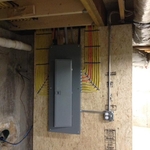
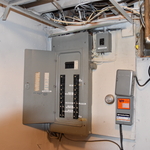
"I had an excellent experience working with John at Noyes Electrical. He and his team were extremely professional and arrived exactly when they said they would. They went above and beyond what they were originally hired to do, and I am completely satisfied with the quality of the work they completed. John handled all the arrangements on my behalf, including coordinating with the electric provider and preparing the city permit application, which made the entire process seamless and stress-free. I plan to use Noyes Electrical again for upcoming projects and highly recommend their services."
Response time1 day
Response rate93%
26 neighbors recently requested a quote
Avatar for W B Lightning Rods
W B Lightning Rods
4.6(
372
)
Lightning Protection - Install or Repair

Serving Chesterfield, NH and surrounding areas

Approved

In business since 2001

Free estimates

Warranties offered

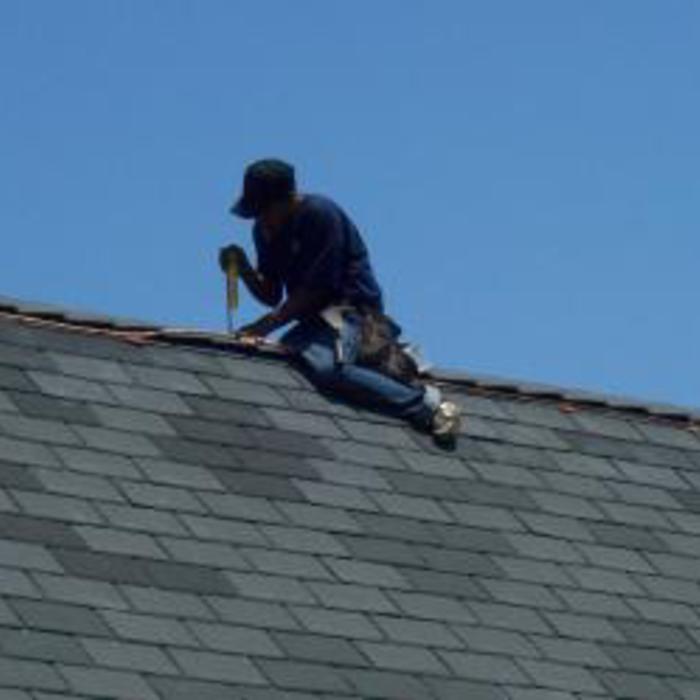
"William and staff responded promptly to my request for service with reasonable pricing. They arrived at the house at the agreed upon time, were respectful of my property, explained the process and completed the work within the specified time frame. They were pleasant, easy to work with and installed a quality lightning rods system. I highly recommend them."
lightning protection
 Residential LPS
lightning protection
 Residential LPS
lightning protection

+79

Response time1 day
179 neighbors recently requested a quote
Recommended by96%of homeowners
Richard Hebert Master Electrician
5.0(
1
)
Ceiling Fan - InstallElectric Vehicle Charging Station Installation - For Business - Materials Not ProvidedElectric Vehicle Charging Station Installation - For Business - Materials Provided by Consumer+11 more

Serving Chesterfield, NH and surrounding areas

Approved

In business since 2020

Credit card accepted

Offers commercial services

We can take on a wide range of residential and commercial electrical projects to include full installation for additions and remodels as well as wiring/panel upgrades, and a variety of other projects. We take pride in the quality of our work and our commitment to outstanding results. We look forward to building strong, long-term relationships with our clients and guarantee your satisfaction.

1 neighbors recently requested a quote

...
Showing 1-10 of 73
Electrical questions, answered by experts

No, you should never plug a generator directly into a wall outlet in your house. This practice is extremely dangerous, often illegal, and can cause "back-feeding," where power from the generator flows back into utility lines, creating a life-threatening hazard for utility workers. It can also damage your home's electrical system, including appliances like pumps and HVAC fans. If the main power is restored while the generator is connected, it can destroy the generator and cause an electrical fire. To safely connect a generator, you must use a professionally installed transfer switch or an interlocking kit, which prevents back-feeding by disconnecting your home from the utility grid before the generator provides power.

If you’re someone who likes to tinker around the house and make DIY repairs, a multimeter or voltmeter can be a great tool to have around, especially if you’re comfortable with electrical repairs. That said, if working with electricity feels out of your depth, you don’t need to invest in a multimeter. Reach out to an electrical pro for any electrical work you need done if any part of you is hesitant about a project.

The most common type of electrical outlet is a 3-prong outlet, which has two flat blades (one is wider than the other) and a round grounding pin. Older homes typically have 2-prong outlets that aren’t as safe as more modern options and are generally not up to current electrical codes.  Other outlets you can find in your home include 20A, 125 volt varieties for larger appliances like refrigerators or washing machines. 

There are also GFCI outlets, which protect against electrical shock in wet areas, such as bathrooms and kitchens, and arc fault circuit interrupter (AFCI) outlets, which protect against electrical fires caused by arcing.

It’s important to ask an electrician a few questions before you commit to hiring them so you can make an informed decision as a consumer. If you’re getting estimates or considering hiring an electrician, ask them these questions:

  • Are you a full-time electrician?

  • Are you bonded, licensed, and insured?

  • What level of experience do you have as an electrician?

  • Can you please share three references?

  • Do you do residential or commercial electrical work?

  • What kinds of electrical work are you most familiar with?

  • Will any subcontractors be performing the work?

  • Are permits and inspections required?

  • Who is responsible for obtaining permits and inspections?

  • What is your schedule?

  • Do you offer a guarantee or warranty on your work?

  • Will you sign a do-not-exceed clause to keep the job within the budget?

Technically, an outdoor outlet can be on the same circuit as an indoor outlet, but it's generally not recommended. Outdoor outlets should ideally be on a dedicated circuit that doesn't share power with other indoor or outdoor outlets. This helps ensure that the outdoor outlets are able to handle the additional electrical load without overloading the circuit. Additionally, outdoor outlets are often exposed to the elements, which can increase the risk of electrical shock and other hazards. If you must have an outdoor outlet on the same circuit as an indoor outlet, be sure that the circuit has the capacity to handle the additional load.

The Chesterfield, NH homeowners’ guide to electrical services

From average costs to expert advice, get all the answers you need to get your job done.