





"The technician emptied the freezer, which was in the basement, to work on the part that needed repair. Then he neglected to put anything back into the freezer, including a turkey I had bought for Christmas and a rack of ribs. Two days after he left, I went out of town for two weeks. The turkey actually exploded and spewed its liquid all over everything, which had to be discarded. I let AHS know and they couldn't even bother to call me or follow up on this. I'm considering not renewing my contract with them because of the quality (or lack thereof) of many of the providers they send."

With over 10 years of experience the Electrical and Plumbing , we are the experts you need to take care of your home or business. We handle everything . We will treat your home as we would treat our own. Give Kennebec Telephone Company, a call today. We look forward to working with you!
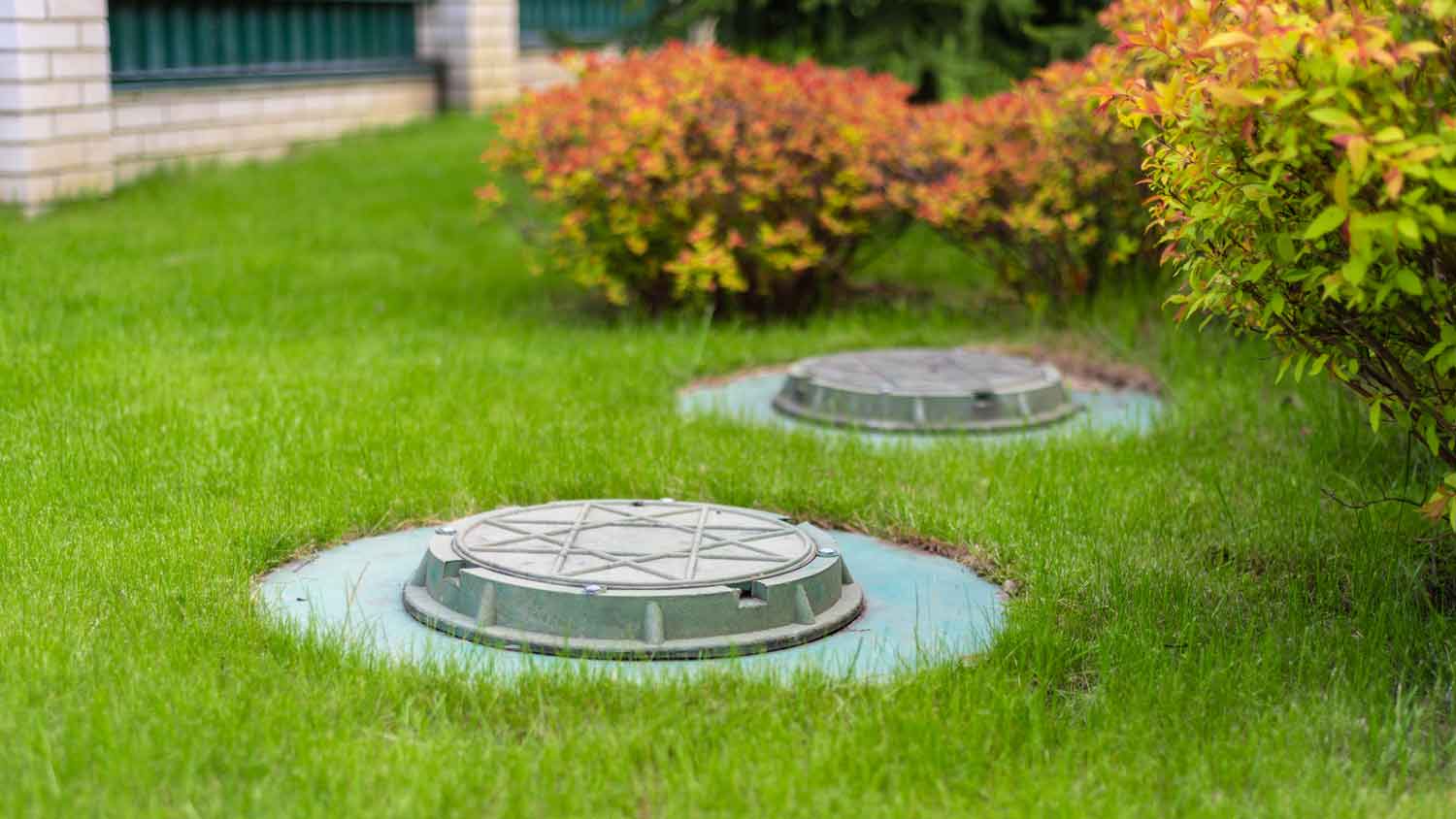
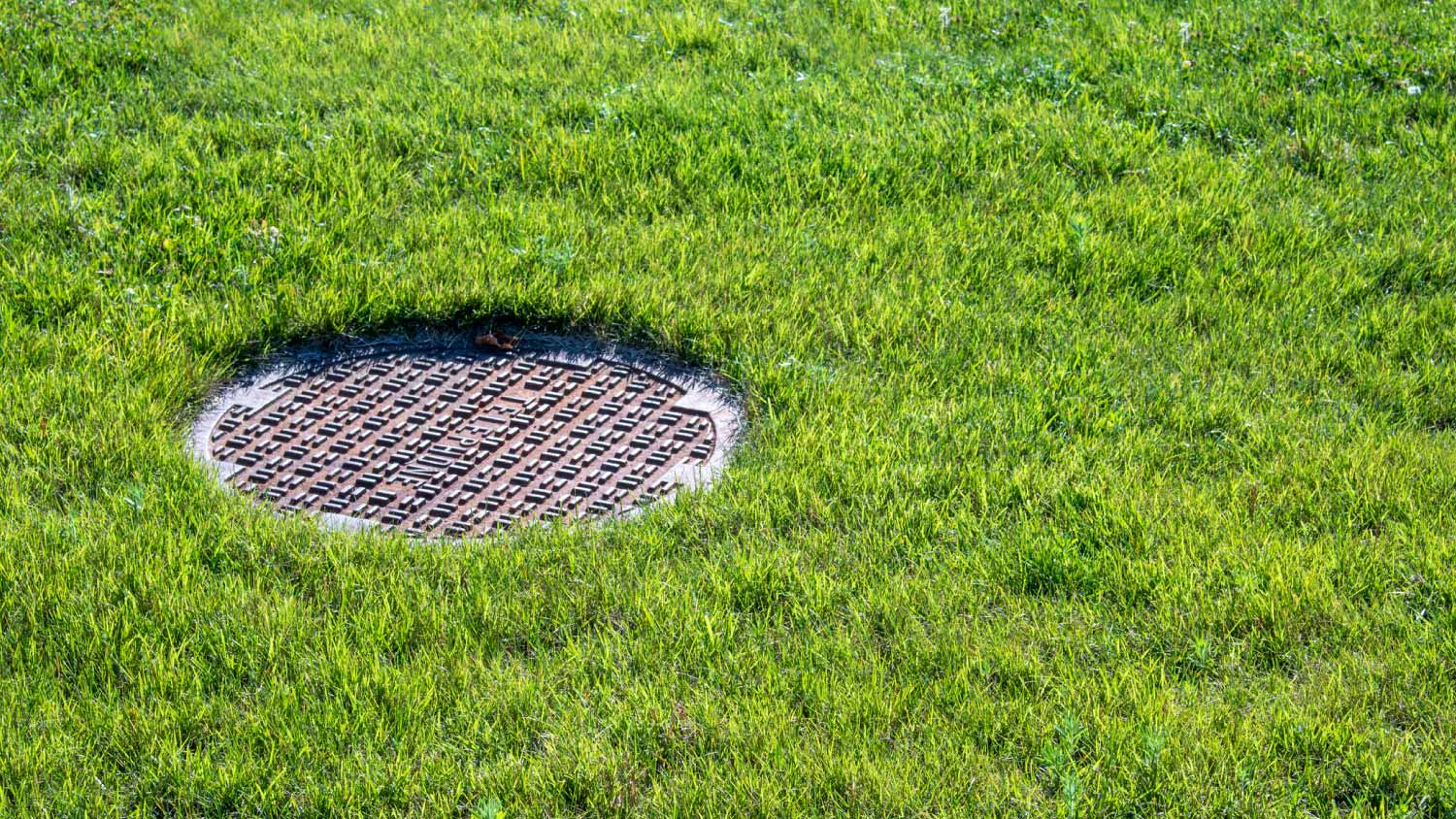
The average cost to replace a septic tank or install a new system is typically around $7,350, with a broader average range of $5,000 to $12,000. However, total project costs can vary widely, from $5,000 to as much as $22,500. Key factors influencing the price include the size and type of the septic system, the tank material, and the size of your house.
It's important to distinguish between the cost of the tank itself and the cost of the entire system installation, which is significantly more. For the tank alone, costs vary by size:
A tank for a one-bedroom house typically costs $500 to $900.
A 1,000-gallon tank, suitable for most one- to three-bedroom homes, costs between $900 and $1,500.
A tank for a five- or six-bedroom home generally costs $1,200 to $1,600.
Septic systems typically require servicing every 3-5 years, but frequency varies according to household size and tank capacity.
Most homeowners know there’s a septic system problem when they can smell one. However, this isn’t exactly a scientific deduction method. Consider some of the other signs: standing water or constantly damp earth in the drainage area, toilets and sinks that won’t drain or frequently back up, and loud plumbing. You really need to be on top of routine maintenance with septic systems in order to avoid such unpleasant symptoms of a septic issue.
Beyond the type of well pump, there are a few other factors to consider when selecting a well pump. Keep in mind the depth of your well, your average water usage, and the PSI of your water-consuming appliances to determine the appropriate motor horsepower and size of your well pump.
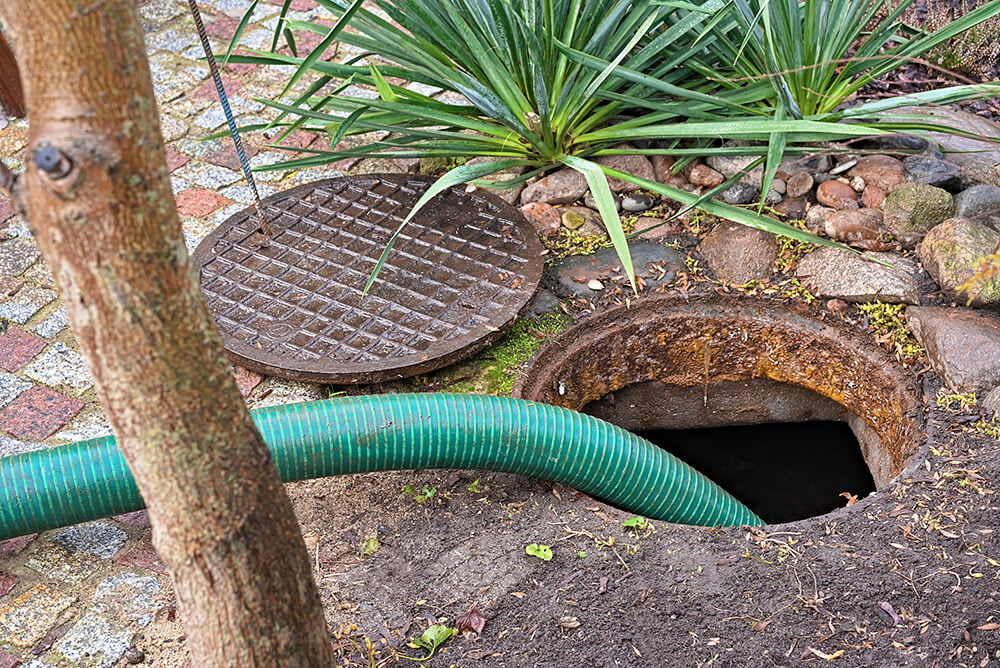
If there’s a problem with your sewage system, you might notice water pooling on the ground around the tank, which could indicate an overflow. Clogged and sluggish drains or foul smells coming from your plumbing are also signs that there might be a blockage in your septic system.
The Winner, SD homeowners’ guide to septic tank services
From average costs to expert advice, get all the answers you need to get your job done.
A damaged septic system can leak odors and sewage, so repairs are urgent. Find out how much septic tank repair costs based on repair type, tank size, and more.
It’s crucial to install a septic tank with the right volume to avoid wastewater backups. This guide will help you calculate the right septic tank volume.
Septic tank sizes vary depending on the size of your home, how many people live there, how much water you use, and more. Read on to learn how to determine the right size for you.