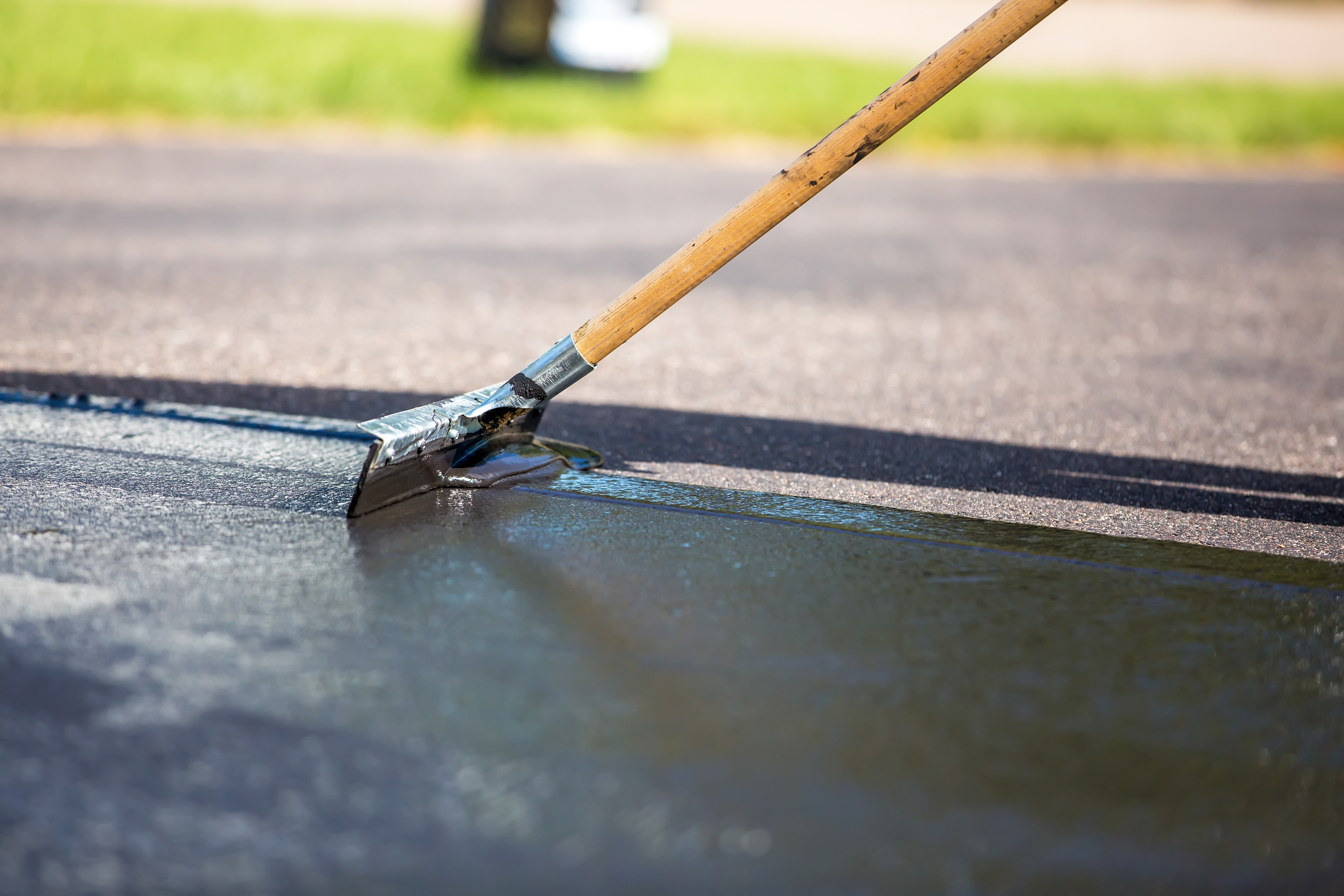
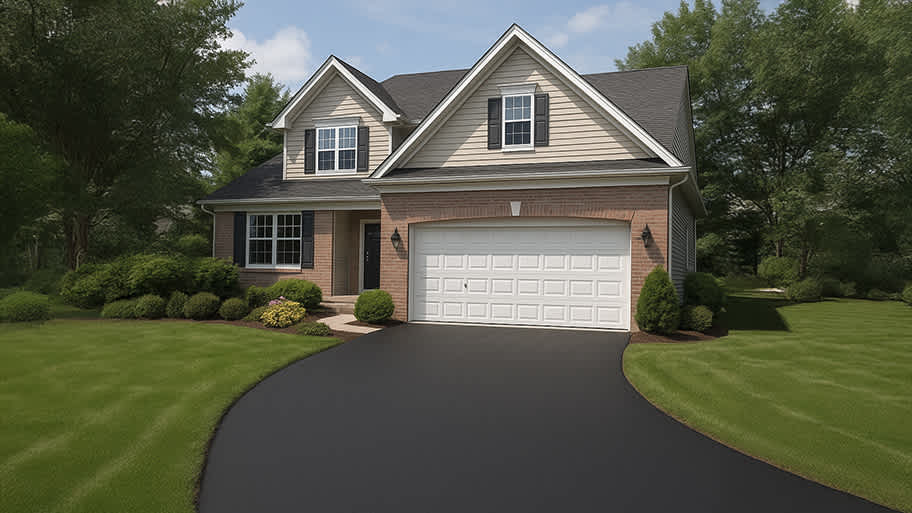
It is not recommended to seal brand-new or uncured asphalt immediately after installation. You should wait at least three months to allow the asphalt time to cure. Applying a seal coat too soon can trap the asphalt's oils and chemicals, preventing it from fully hardening. This can lead to a weaker surface that is more vulnerable to damage. After the initial three-month curing period, applying a seal coat can extend the asphalt's life by protecting it from water, UV rays, and other damaging elements.
No. You cannot use asphalt products on concrete driveways. To seal a concrete driveway, use acrylic, epoxy, polyurethane, silane, siloxane, and silicate sealers or deep penetration sealers made specifically for concrete. Meanwhile, asphalt sealers contain refined coal tar (asphalt emulsion), water, sand, clay, polymers, and additives and are incompatible with concrete’s surface texture and higher density.
Maintaining a driveway depends on its material. For concrete and asphalt, it's best to clean the surface thoroughly twice a year with a stiff broom and a pressure washer to remove accumulated dirt and debris. Sealing the driveway is crucial to protect it from water damage and freeze-thaw cycles. Before applying a sealant, pressure wash the surface to remove any loose sealant, dirt, or stains, as sealing over them will trap them. Any cracks or expansion joints should be filled with a flexible polyurethane caulk or asphalt sealer. In colder climates, use sand instead of salt for de-icing. Sand helps melt snow and ice without accelerating the freeze-thaw process, which can cause cracks.
Regular maintenance will help you avoid costly repairs and early replacement. Clean the driveway surface with a stiff brush and water at least twice yearly, and remove any weeds that try to take root. Additionally, every two to five years, apply a sealcoat—this protects the driveway against damaging UV rays and keeps it looking like new.
Though they may look similar, tar and bitumen come from different sources. Bitumen is a petroleum product—extracted during crude oil refining—and is mostly made up of hydrocarbons. Tar comes from burning down organic materials like coal or wood. Bitumen is strictly oil-based, while tar is a mix of compounds from natural sources. Both are used as binders in paving; however, bitumen is the standard for today’s asphalt. Tar use has mostly faded out of road construction.
The Spalding, NE homeowners’ guide to driveway sealcoating
From average costs to expert advice, get all the answers you need to get your job done.
The cost of a tar and chip driveway falls between gravel and asphalt. Is this unique process the happy medium you've been looking for? Let's take a look.
Driveway extensions can provide valuable parking and recreation space and add to the value of your home on resale. Find out how much driveway extensions cost.
The average driveway coating takes between 30 minutes and eight hours to dry, but weather and sealant type can influence the dry time. Read on to learn more.