



Top-rated driveway sealcoating pros.

Best driveway sealcoating pros near Cairo, NE

Enter your zip and get matched with up to 5 pros

Need a pro for your driveway sealcoating project in Cairo, NE?

Select your specific project to find the pro for you.

Top-Rated Driveway sealcoating pros in Cairo - Updated Nov 2026

Driveway Sealcoating FAQs, answered by experts

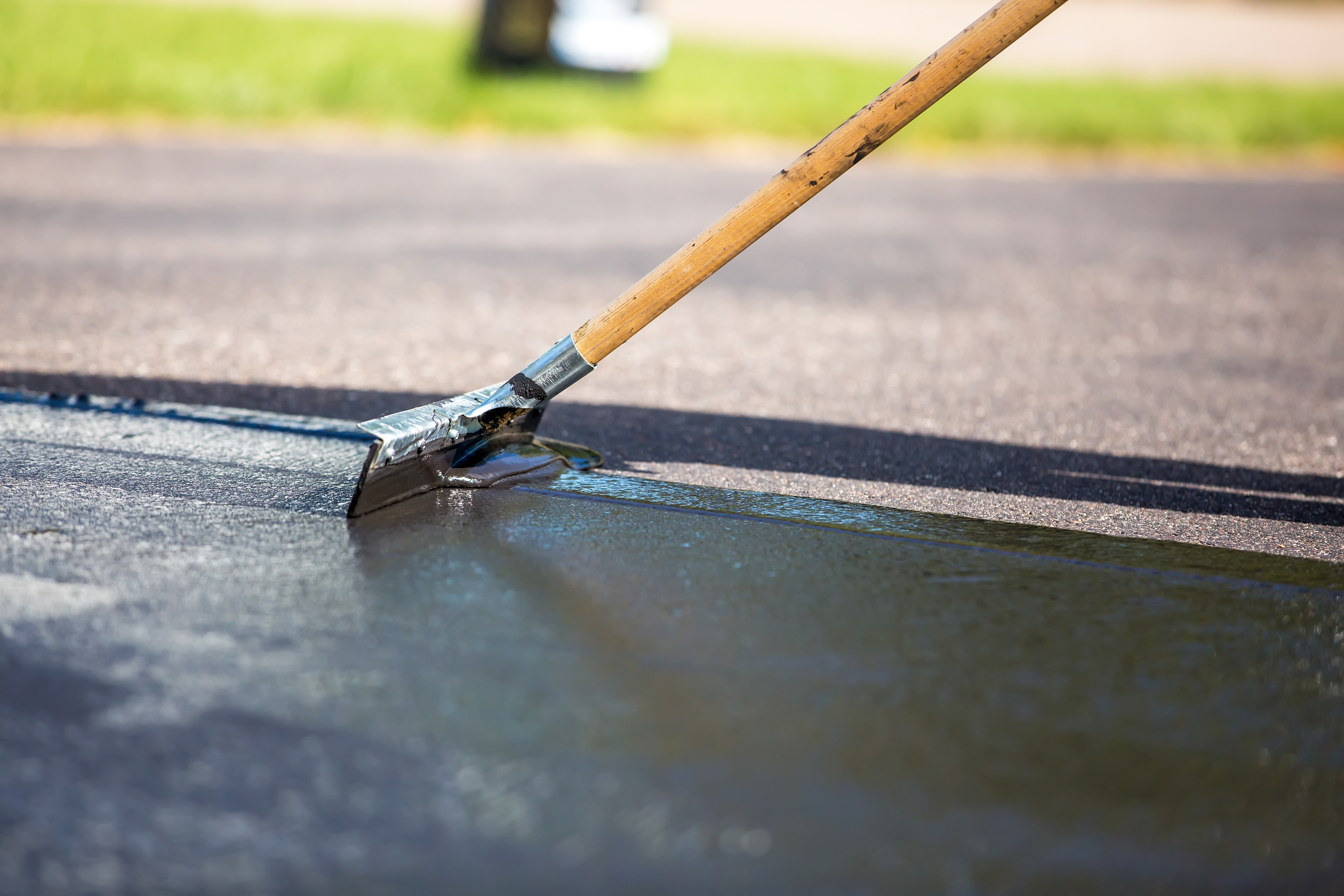
To maintain your asphalt driveway, add a new coat of sealant every three to five years. Pricing varies, but you will pay about $0.08 to $0.50 per square foot from start to finish. You can also choose to add a fill-and-seal layer that includes a layer of aggregate to fortify a damaged top layer of asphalt.

Most sealing projects take 1-2 days, including drying time before allowing traffic.

Maintaining a driveway depends on its material. For concrete and asphalt, it's best to clean the surface thoroughly twice a year with a stiff broom and a pressure washer to remove accumulated dirt and debris. Sealing the driveway is crucial to protect it from water damage and freeze-thaw cycles. Before applying a sealant, pressure wash the surface to remove any loose sealant, dirt, or stains, as sealing over them will trap them. Any cracks or expansion joints should be filled with a flexible polyurethane caulk or asphalt sealer. In colder climates, use sand instead of salt for de-icing. Sand helps melt snow and ice without accelerating the freeze-thaw process, which can cause cracks.

A properly applied asphalt driveway sealer, or sealcoat, should last between one and five years. The industry standard is to reseal every two to three years for optimal protection. If you live in a climate with extreme weather, such as heavy rainfall or freezing temperatures, you may need to reseal your driveway more frequently, around every two years. Signs that your driveway needs a new coat of sealant include the appearance of small cracks or uneven drying after rain.

Though they may look similar, tar and bitumen come from different sources. Bitumen is a petroleum product—extracted during crude oil refining—and is mostly made up of hydrocarbons. Tar comes from burning down organic materials like coal or wood. Bitumen is strictly oil-based, while tar is a mix of compounds from natural sources. Both are used as binders in paving; however, bitumen is the standard for today’s asphalt. Tar use has mostly faded out of road construction.

The Cairo, NE homeowners’ guide to driveway sealcoating

From average costs to expert advice, get all the answers you need to get your job done.