
If you need to remove old asphalt before putting down a new driveway, the cost will vary based on the size of the driveway you're removing, the method used to remove asphalt, and whether you hire a pro or try DIY asphalt removal.
Stains are for tie-dye shirts, not driveways

Wet leaves staining a driveway happens when fallen leaves sit too long, releasing tannins that create stubborn brown marks on your concrete or asphalt surface.
DIY stain removal materials and tools cost up to $30, making it budget-friendly to tackle driveway cleaning with common household supplies like baking soda.
You can remove most driveway stains by applying baking soda, scrubbing thoroughly with a stiff nylon brush, and letting the mixture sit for 30 minutes.
Hiring a local power washing professional provides expert stain removal for large or stubborn marks, protecting your driveway from damage with the right equipment and techniques.
We all want clean and pristine driveways, but cars leak and, well, you know the rest. Driveways are susceptible to oil and grease stains caused by resting automobiles, but that’s not all. Dried leaves, fertilizers, plant food, and even rust-prone rocks can cause driveway stains.
Scary, right? Don’t fret. You can clean most driveway stains to avoid the cost of paving your driveway again. Follow our guidelines to learn multiple ways to clean and de-stain your driveway so it looks as clean as the day the concrete truck poured it out.
Driveways are outside, and as such, they are subject to those ornery elements. Anything that comes in contact with your driveway has the potential to leave behind a mark. For example, leaves left on the driveway can congeal into a brown stain and certain rocks leave rust stains when exposed to heavy rains. Your gardening also has an impact on driveway stains, as fertilizer and plant food cause discoloration over time.
Of course, there’s also the SUV-shaped elephant in the room. Automobile-related grease and oil contribute to the vast majority of driveway stains. This type of stain is especially prevalent when vehicles sit for several months without being used. Oil is something that causes concrete to crack, especially for asphalt driveways, as it can break down the asphalt’s structure and integrity.

Noticing a driveway stain is easy, as they stick out like a sore thumb. However, these stains don’t advertise what put them there, and knowing the cause can simplify the driveway repair process.
There are six liquids that drip from automobiles and cause driveway stains: oil, gas, brake fluid, transmission fluid, gear oil, and coolant. Additionally, many other issues cause driveway stains.
Gasoline: To identify a gas stain, use your nose. If it smells like gasoline, it is gasoline.
Brake fluid: These stains are light and barely noticeable, but look for discoloration around where your car's wheels rest.
Oil, transmission fluid, and gear oil: These stains are all similar in appearance and viscosity, with some minor differences. Transmission fluid is reddish and slightly opaque, oil is a darker brown, and gear oil is the darkest of all, with a foul smell. Check the transmission dipstick and compare it to the stain.
Coolant: If you notice a faintly green stain on your driveway with a slightly sweet smell, it is likely coolant.
Fertilizer and plant food: These stains are orange, as fertilizer contains metal compounds that rust over time.
Rotting leaves: These stains appear light brown and may include a stubborn leaf or two as a dead giveaway.
Winter weather residue: De-icing salts can leave behind a white residue, even on driveway material designed for cold weather.
First, move any vehicles parked on the driveway to allow for immediate access. Next, perform a simple spot clean of the entire driveway and surrounding sidewalk and pavement. Sweep away debris and remove any plant detritus from the area. Installing a concrete driveway costs $2,340 to $10,000, so make a habit out of performing this cleaning process to ensure longevity—stains or not.
Follow these helpful methods for removing driveway stains to keep your curb appeal on point.
Believe it or not, baking soda is great at removing the vast majority of driveway stains, including most vehicle-related stains.
Gather your tools and supplies, including baking soda, a stiff nylon brush, and a functional garden hose.
Pour a generous amount of baking soda directly over the stain and scrub it thoroughly with the brush to allow it to soak into the stain.
Let the baking soda sit for at least 30 minutes to give it time to work its magic.
After 30 minutes, rinse off the stain with a hose. It should wash right off.
Stubborn stain? Repeat the process as many times as necessary.

Powdered laundry detergent removes many types of stains, especially those caused by rotting leaves and fertilizer. Though this method is adequate for removing car-based stains, you can expect to repeat the process two or three times for the desired results.
Gather your laundry detergent, a stiff brush, a garden hose, and a mop.
Mop the area to remove any excess liquid.
Sprinkle a generous amount of detergent on the stain, add a bit of water, and scrub the area thoroughly.
Let the detergent sit for at least 30 minutes.
Rinse it off with a garden hose and repeat the process if necessary.
A simple mixture of vinegar and water is effective at removing rust stains, especially those caused by plant fertilizer, though this formulation struggles slightly with oil and grease stains. As an added bonus, this cleaning solution won’t damage nearby plants and flowers.
Fill a spray bottle with equal parts water and vinegar. For a cleaning boost, add lemon juice or liquid dish detergent.
Spray the mixture onto the stain and allow it to sit for around 30 minutes to loosen up the sediment.
Scrub the area thoroughly with a stiff nylon brush until the stain disappears.
Rinse the area with a garden hose.
Repeat if necessary, but not too many times, as multiple applications in a short time frame leads to slight concrete degradation.

There are many surprising uses for liquid dish soap that go above and beyond cleaning dishes. This household cleaning agent is highly effective at removing plant-based driveway stains. Though a superstar with stains related to rotting leaves and plants, liquid dish soap is not that effective with oil, grease, and many automobile-based stains.
Spray the stained area with a garden hose to clear any lingering dirt.
In a large bucket, combine ½ cup of liquid dish soap with 3 gallons of hot water.
Slowly pour the solution onto the stain and use a stiff brush to work the liquid into the driveway.
Let it sit for 10 to 15 minutes, and then rinse the area with a garden hose.
Repeat if necessary and combine with previous methods, like powdered detergent, for stubborn stains.
Yes, it’s true. Soft drinks like Coke and Pepsi include multiple acids that work together to remove grease stains, such as carbonic acid, phosphoric acid, and citric acid. While highly effective for vehicle-adjacent grease and oil stains, soda is only moderately effective in removing other types of stains.
Use a mop to remove any excess grease or oil from the area.
Pour one or two cans of soda directly on top of the stain.
Let it sit at least 30 minutes, but for the best results, wait overnight.
Scrub thoroughly with a stiff brush, dry towels, or a mop until the stains disappear.
Rinse with a garden hose and repeat the process if necessary.

Cat litter is not just for feline waste anymore, as it doubles as a handy stain-removing agent. Cat litter is an absorbent substance and an irritant, and it’s pretty effective at removing most types of stains, even stubborn oil stains.
Grab a box of cat litter and pour a generous amount on the stain, making sure to cover it completely.
For small stains, let the litter sit for about 30 minutes. For larger stains, let it sit overnight.
Sweep up the litter from the stained area.
Add a bit of dish soap and scrub the stain with a stiff bristled brush until the stain disappears.
Rinse liberally with water from a garden hose.
Repeat this process if necessary.
Avoid using bleach directly. Instead, mix bleach with water. A common ratio is mixing one gallon of water with 1/3 cup of chlorine bleach. Bleach works great on stubborn stains that won’t go away with other cleaning methods.
Mix the bleach-water solution
Apply the bleach solution over the stain with a spray bottle. Make sure the stain is well-soaked.
Let it sit for at least five minutes.
Gently scrub with a metal bristle brush or a piece of steel wool.
Repeat this process a few times until the stain is removed.
Rinse with water
One thing to keep in mind is that you may find your eyes and lungs burning from direct bleach exposure. It can also burn your skin. Therefore, it’s best to wear a mask, protective glasses, and work gloves if you’re cleaning your driveway with bleach.
If your stains are especially large and stubborn, DIY mixtures using common household supplies may not cut it. In these cases, buy a dedicated stain remover designed specifically for cleaning your driveway. These cleaners are available in different formulations for asphalt and concrete driveways, so do your research before making a purchase.
Each cleaner or degreaser features unique and specific instructions, so read the manual before beginning this process.
In most cases, apply the cleaner to a bucket or spray bottle and apply it to the stain, allowing it to rest for at least 30 minutes.
Scrub thoroughly with a brush to remove the stain, then rinse with water, repeating the process if necessary.
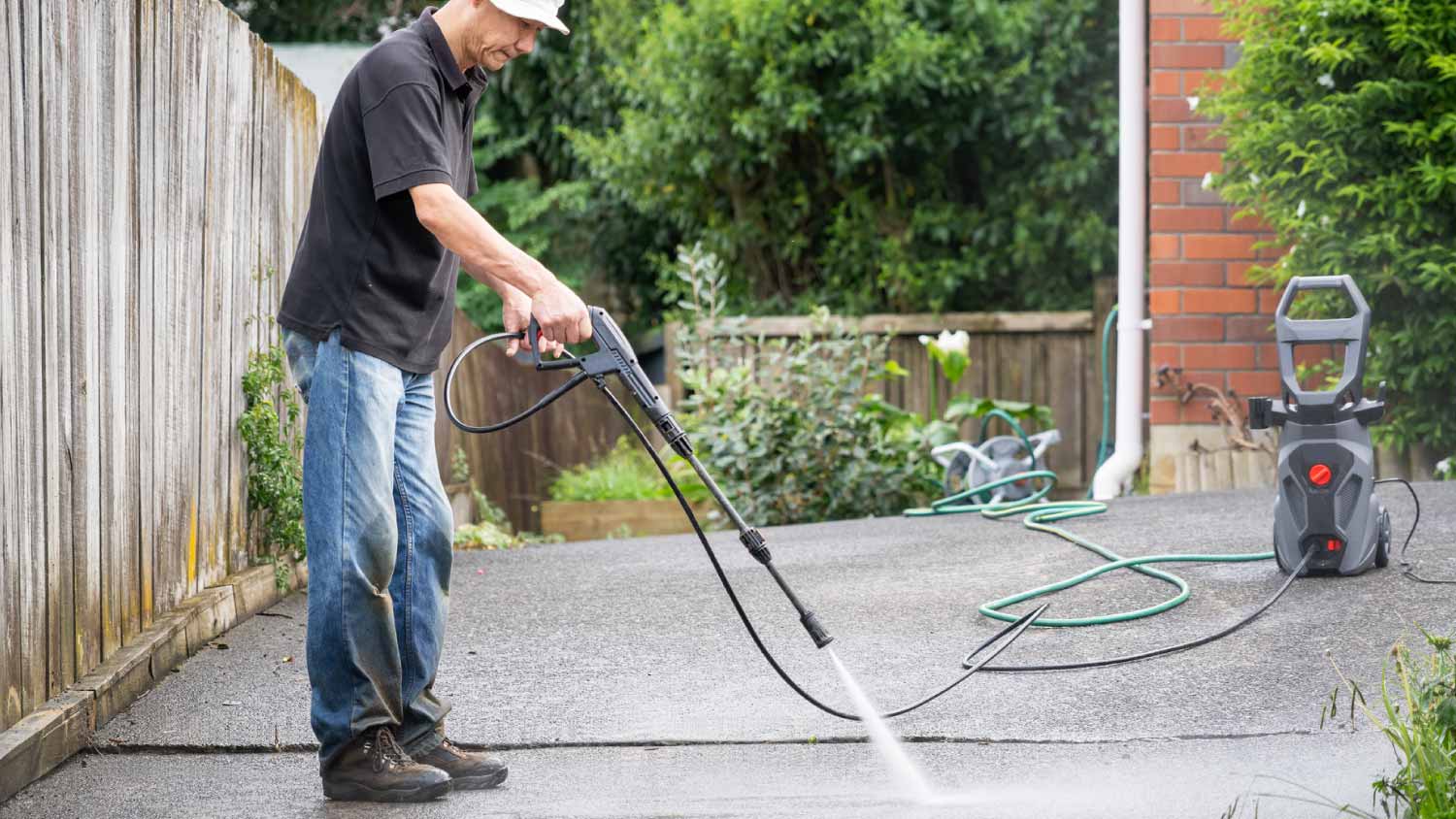
Luckily, driveway cleaning is a fairly budget-friendly process, depending on your chosen method. If you choose to DIY the concrete cleaning process, you can expect the cost of materials and tools to run up to $30 if you are starting from scratch. On the other hand, you can hire a local pressure washing pro to clean your driveway stains with speed and efficiency. The cost to pressure wash a driveway is $80 to $200, depending on the size and complexity of the job.
Prevention is better than the cure, as they say. Here are some tried-and-true methods for preventing driveway stains on your property.
Act quickly: Cleaning up a stain as soon as it appears is much easier than removing it after it’s caked into the driveway.
Service your vehicles: Since automobile-related leaks contribute to most driveway stains, stay on top of service and maintenance needs. If you notice a leak of any kind, fix it immediately.
Apply a sealant: Driveway materials like concrete respond well to dedicated sealants that repel oil, grease, and other stains. These sealants are easy to use, and they dry clear, making for a fuss-free application process.
Clean and maintain the driveway: Make cleaning the driveway part of your regular routine to remove debris, fallen leaves, and errant liquids.
In most cases, cleaning driveway stains is a DIY-friendly process requiring minimal time and materials. However, each driveway and stain is different.
For large stains or stains impacting older driveways, hiring a pressure washing professional ensures a quick turnaround and a gentle, yet effective, cleaning process. Additionally, pros will evaluate whether your driveway needs any repairs or is due for any maintenance. Gasoline stains, for instance, damage asphalt driveways, requiring a local asphalt sealing pro to seal the driveway after stain removal.
Archie did a good job cleaning up the driveway before he laid down the sealer. It looks good. He was gracious and even helped me bring up my groceries. His rate was comparable to another company who came out to give me a quote and he talked to me personally rather than just text me a quote...
 Pro Seal Roofing & Paving
D1 Roofing delivers outstanding service from beginning to end, backed by a strong warranty and expert teams. I highly recommend them for their excellence in meeting and surpassing expectations with unmatched communication. Choosing D1 Roofing was flawless decision
 Division 1 Roofing LLC
This company went above and beyond with their work, chimney sweeps are usually pretty messy, but the clean up was spot on.!! Josh explained every thing that he was doing, and the things that he was checking to make sure the chimney was safe for me and my family. He was very professional,...
 Supreme brick & chimney
Our homes curb appeal skyrocketed thanks to Custom Paint Jobs LLC s exterior painting.
 Custom Paint Jobs, LLC
Very well! Two men came to do the work. They were both polite, punctual and professional in manner. When they finished, Cameron explained about preserving an asphalt driveway, as I had never had one in the past. I will definitely be calling them in the future.
 All Star Paving and Sealing
Fantastic! Top Line was early for the appointment and very knowledgeable and took time to explain everything they had found during the home inspection. The report included clearly defined issues and what they recommended to remedy the same. The report also included many pictures to help...
 Top Line Home Inspections, LLC
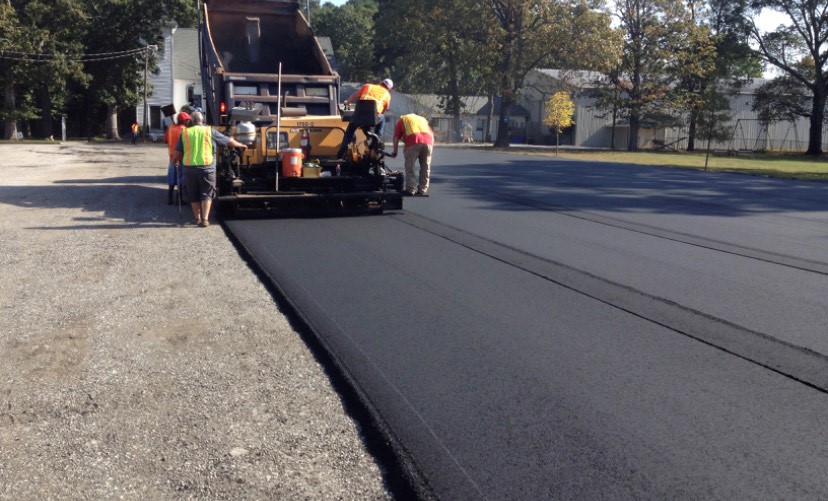
Working with Peter and his crew was a breeze. They were exceptionally polite and did a neat job to repair and seal our driveway. I will definitely talk to them first for additional work.
 Central Paving
The preformed a really good job the staff is incredible never been so happy with my home, A brand new driveway is like a face lift!!
 Pristine Paving
Called Mark on a Thursday morning. Not really knowing if he could help me or not. I was having driveway, flooding issues due to a clogged channel drain and I was trying to figure out what direction to take. Heavy rains had come on Monday and again on Thursday leading to flooding in my garage...
 Mark Rodgers Construction
Had already met with 2 other contractors before Blue Ring, and Blue Ring's price quote for the work was better than either of the other 2, and the came out the next morning and cleaned up a very large fallen tree branch from a storm that was blocking my driveway. Work was completed in...
 Blue Ring Residential Services, LLC
From average costs to expert advice, get all the answers you need to get your job done.
If you need to remove old asphalt before putting down a new driveway, the cost will vary based on the size of the driveway you're removing, the method used to remove asphalt, and whether you hire a pro or try DIY asphalt removal.
Detergent, baking soda, oil stain removers, and more can clear a driveway oil stain. Read this guide on how to remove oil stains from your driveway like a pro.
This summary of the best driveway cleaning methods shows you how to remove stains, mildew, mold, and more from your driveway after choosing the right tools and products.

Stains don’t have to ruin your fabric, upholstery, and carpeting. If you’ve got household staples, you have stain removers at your disposal. Find out our top stain removal tips here.

Learn to remove stubborn oil stains from asphalt driveway using simple household items like baking soda, powdered detergent, or floor degreaser.
Do you need to clean oil, paint, or rust stains on your concrete driveway? Learn if it’s better to spray or not to spray before pressure washing it.