

Top-rated paving pros.

Best paving pros near Sidney, NE

Enter your zip and get matched with up to 5 pros

Need a pro for your paving service project in Sidney, NE?

Select your specific project to find the pro for you.

Top-Rated Paving pros in Sidney - Updated Nov 2026

Paving Services FAQs, answered by experts

A driveway's lifespan varies by material. Asphalt driveways typically last 15 to 30 years, while concrete driveways last longer, between 20 and 50 years. The longevity of any driveway is affected by factors like extreme temperatures, heavy traffic, and the quality of maintenance. Regular upkeep, such as filling cracks, resealing the surface, and ensuring proper drainage, can help extend its life. For gravel driveways, regrading to fill in uneven areas every year or two is recommended.

If your new pavers look dull or unclean, it is likely due to efflorescence, a chalky, white powder that forms when lime in the pavers gets wet. This condition often resolves on its own, as rain will naturally wash it away within about a year. For faster results, you can use a pressure washer to clean the pavers. Alternatively, consider using cleaning products specifically designed to remove efflorescence or applying sulfuric acid crystals.

Chip seal layers gravel and a liquid bitumen one at a time on-site, while asphalt directly pours a pre-combined mixture. Asphalt must be sealed, but it will last up to four times as long as chip seal driveways. Aesthetically, chip seal has a natural, rustic look compared to the traditional asphalt slab.

You can pour concrete over asphalt if it’s in good condition, thick, stable, and well-compacted. Concrete is more durable than asphalt and can extend the lifetime of your driveway without having to pay frequent asphalt driveway repair costs or replace it completely. 

But this is best reserved as a temporary solution based on budget restraints, as asphalt requires more frequent repairs and assessments than concrete. Once that concrete top is poured, it’ll be harder to accurately understand what’s happening beneath that layer, which could lead to more issues.

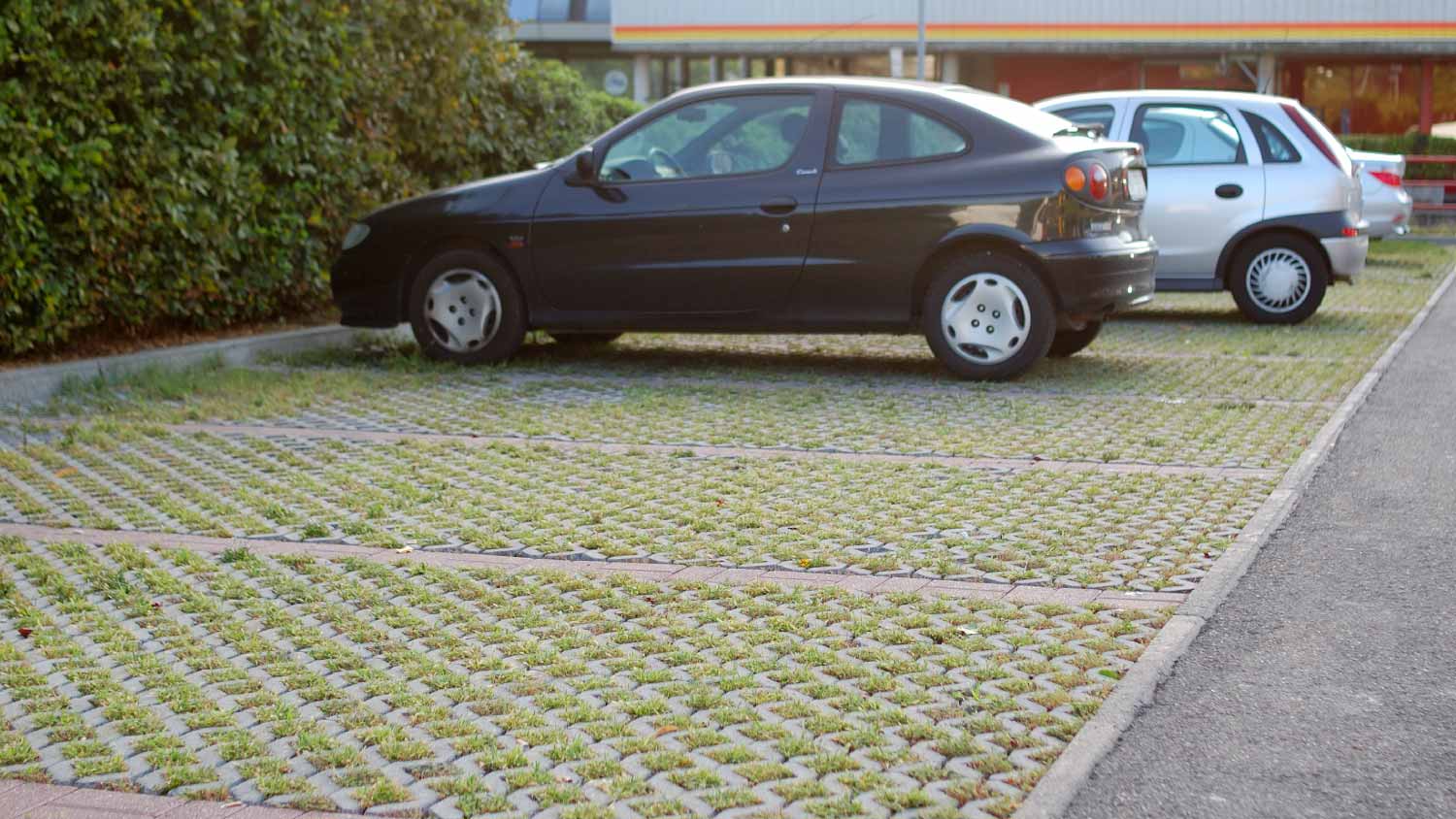
Professional installers often include a deep layer of crushed gravel under permeable pavers to allow more runoff to soak through into the soil below. Many installations will include multiple layers of gravel, with coarser aggregate at the base and finer aggregate that sits on top of that bottom layer. Above the gravel, you’ll often find coarse sand that helps reduce paver shifting over time. Some permeable paver designs include a water collection system set into the gravel layer to route runoff to a safe area for disposal.

The Sidney, NE homeowners’ guide to paving services

From average costs to expert advice, get all the answers you need to get your job done.