



Top-rated paving pros.

Get matched with top paving pros in Imperial, NE

Enter your zip and get matched with up to 5 pros

Need a pro for your paving service project in Imperial, NE?

Select your specific project to find the pro for you.

Find Paving pros in Imperial

Paving Services questions, answered by experts

Whether it's worth it to install a heated driveway depends on how often you'll use it, your lifestyle, and your budget. If you live in a mild climate with little snowfall, then installing a built-in heated driveway system may not be worth it. If you live in a region that experiences mild snowfall, then a portable mat could work better. However, if you live in a region with heavy snowfall, it makes sense to invest in a built-in heated driveway. 

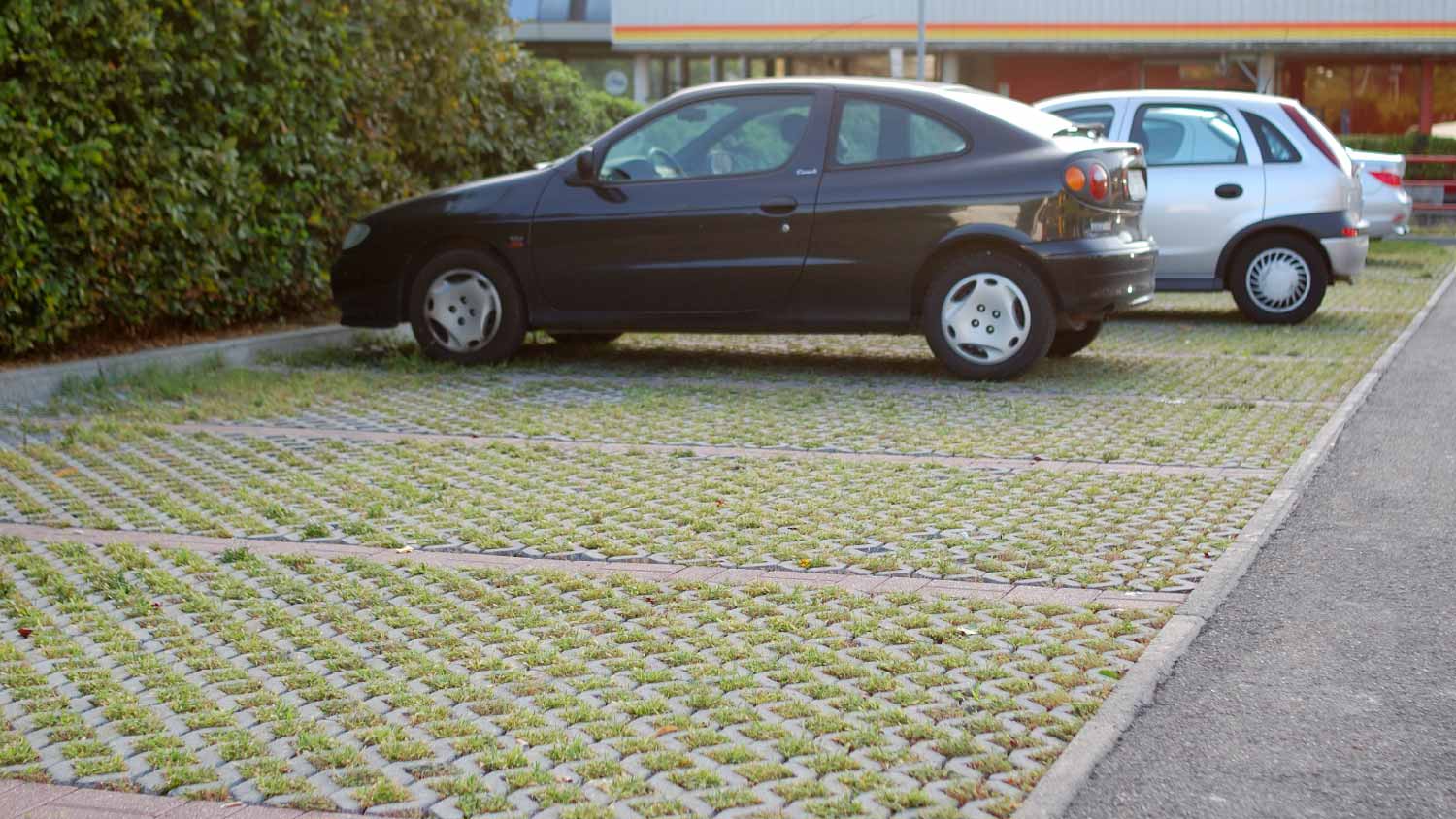
Permeable paving is a good option for a lot of reasons. It can help prevent flooding, keeps harmful chemicals from polluting our water, and can divert water away from your home’s foundation. Plus, it can add a rustic aesthetic to your outdoor area, might prevent pests who breed in water, and may even qualify for tax rebates.

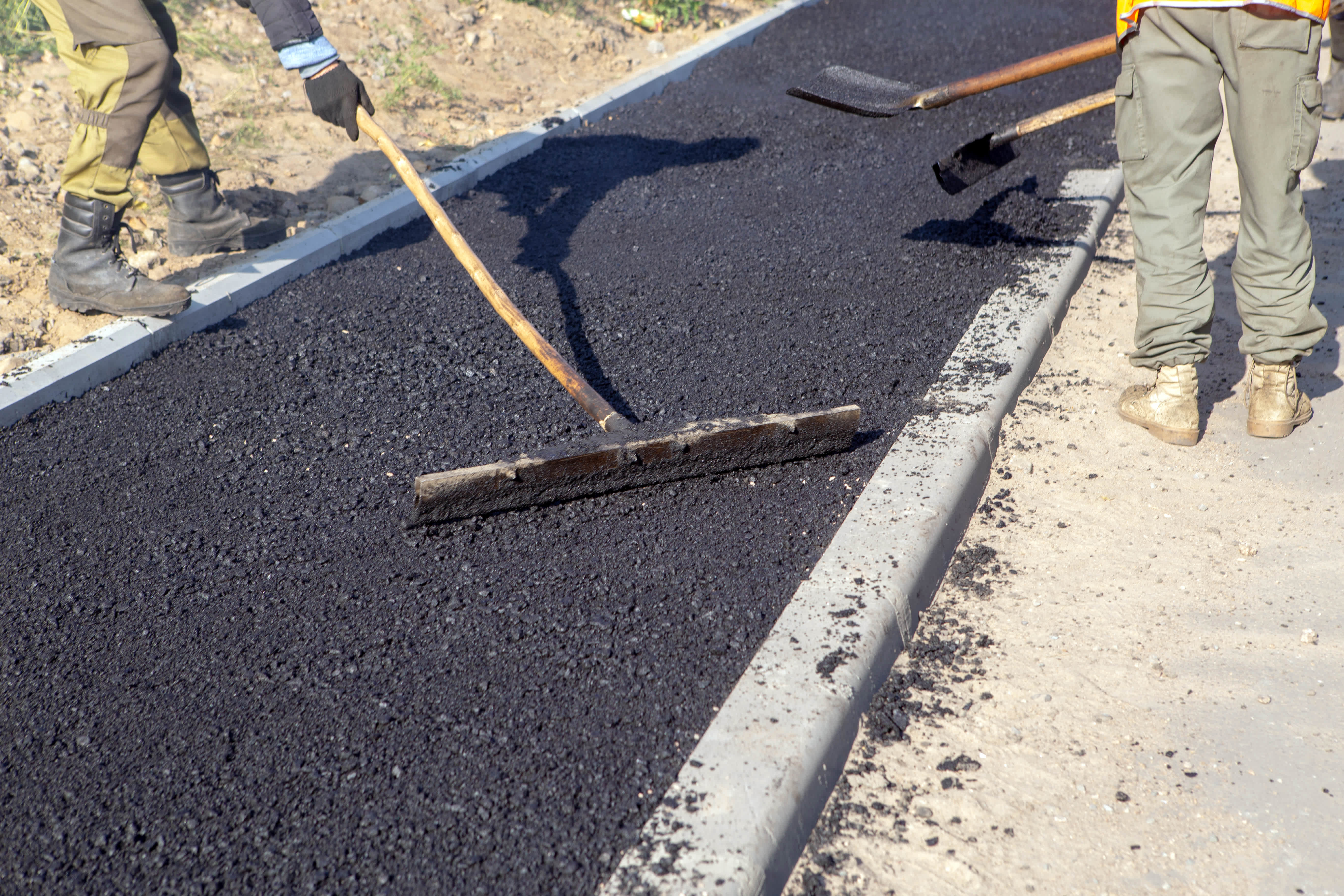
An asphalt driveway should be at least 3 inches thick over a compacted gravel base. Areas with poor drainage should have a thicker stone base. To install a new asphalt driveway over an existing driveway, the new asphalt should be at least 2 inches thick and the existing driveway should be in relatively good condition.

If you notice minor cosmetic problems with your driveway, you should seal it. Look out for cracks and holes on the surface, faded asphalt or concrete, and stains from oil and other chemicals. Replacing your driveway may be necessary if you’re dealing with significant problems—¼-inch cracks, large potholes, and puddles from drainage issues. The cost to install an asphalt driveway typically ranges between $4,200 and $9,000, significantly more than resealing. Consider talking to a professional to discuss whether resurfacing your driveway—a midway project between resealing and replacing—is a better option for you.

Asphalt and tarmac are not the same thing. Traditional tarmac, short for tarmacadam, uses tar as a binder to hold crushed stone together. Asphalt uses bitumen—a byproduct of crude oil—to bind aggregate. Though tarmac was once a go-to for roads, asphalt has become the modern standard. And these days, most surfaces referred to as “tarmac” are actually asphalt. So, while the names may overlap, the key distinction lies in the binder—tar for tarmac and bitumen for asphalt.

The Imperial, NE homeowners’ guide to paving services

From average costs to expert advice, get all the answers you need to get your job done.