


Top-rated paving pros.

Get matched with top paving pros in Kimball, NE

Enter your zip and get matched with up to 5 pros

Need a pro for your paving service project in Kimball, NE?

Select your specific project to find the pro for you.

Find Paving pros in Kimball

Elk Mountain Masonry
New to Angi

Serving Kimball, NE and surrounding areas

In business since 2019

Free estimates

Credit card accepted

With years of experience serving our community, Elk Mountain Masonry is your solution for all of your Brick, Stone and Paver Installation needs. We take great pride in our extreme professionalism, timeliness and superior customer service on every job. We make sure to develop a lasting relationship so that the next time service is needed there will be no question on who to call. Satisfaction guaranteed! Give us a call today, we are happy to help you with your project and look forward to talking to you.

Paving Services questions, answered by experts

While water-related pressure caused by poor drainage is one common cause of paver cracking, other factors can include ground movement beneath pavers, heavy loads and wear and tear over the pavers, and climates with constant freeze-thaw cycles. In general, pavers should be resealed every three to five years to prevent cracking.

Whether it's worth it to install a heated driveway depends on how often you'll use it, your lifestyle, and your budget. If you live in a mild climate with little snowfall, then installing a built-in heated driveway system may not be worth it. If you live in a region that experiences mild snowfall, then a portable mat could work better. However, if you live in a region with heavy snowfall, it makes sense to invest in a built-in heated driveway. 

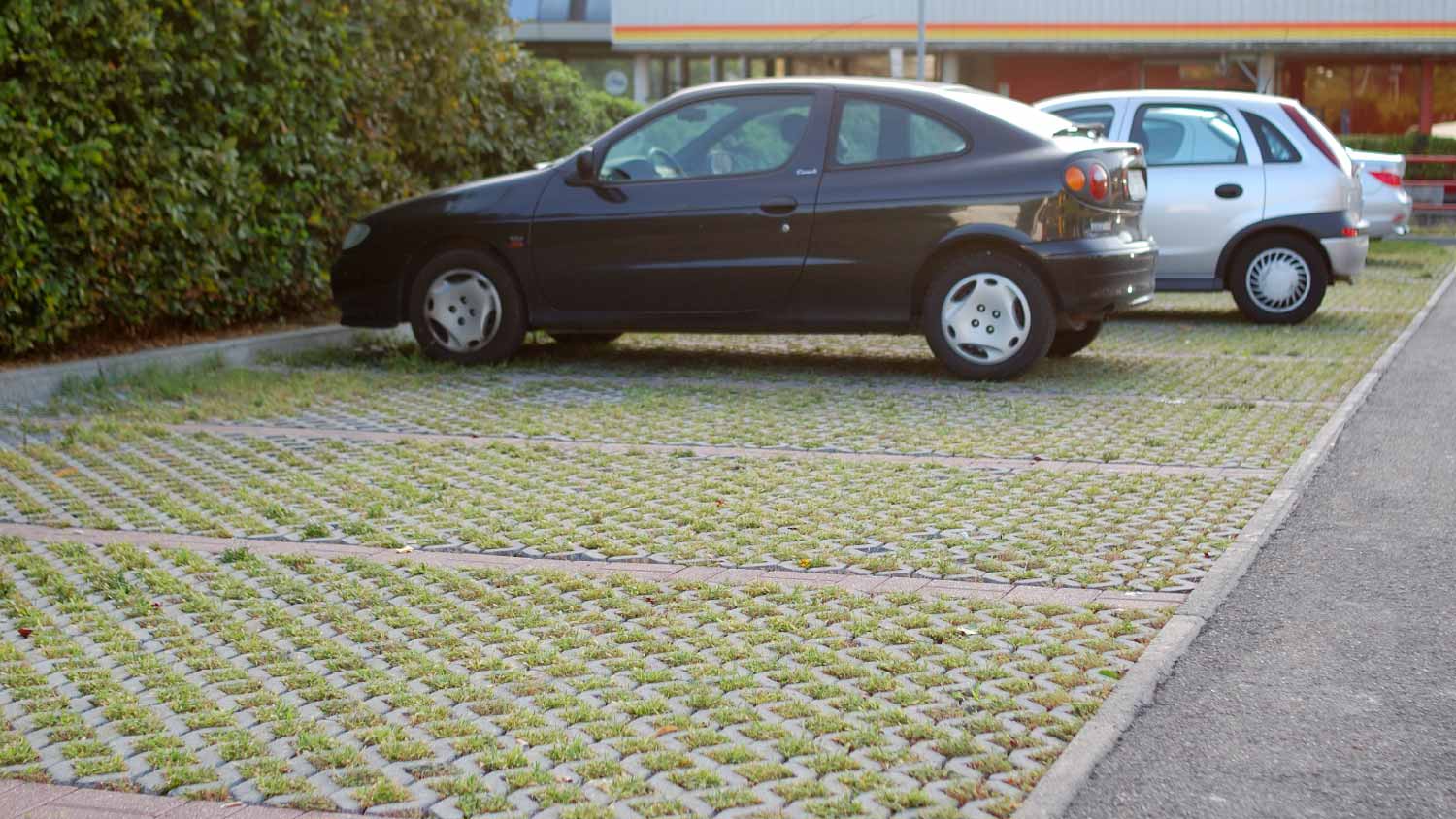
Yes, permeable paving is expensive. For driveways, expect to pay up to $70 per square foot; for patios, permeable paving can cost up to $30 per square foot. Costs will depend on the type of material you choose, plus the standard labor rate in your area.

Depending on project size, typically 1 to 3 days, including preparation and installation.

Asphalt and tarmac are not the same thing. Traditional tarmac, short for tarmacadam, uses tar as a binder to hold crushed stone together. Asphalt uses bitumen—a byproduct of crude oil—to bind aggregate. Though tarmac was once a go-to for roads, asphalt has become the modern standard. And these days, most surfaces referred to as “tarmac” are actually asphalt. So, while the names may overlap, the key distinction lies in the binder—tar for tarmac and bitumen for asphalt.

The Kimball, NE homeowners’ guide to paving services

From average costs to expert advice, get all the answers you need to get your job done.