
Top-rated landscapers.

Get matched with top landscapers in Genoa, NE

Enter your zip and get matched with up to 5 pros

Need a pro for your landscaping project in Genoa, NE?

Select your specific project to find the pro for you.

Find Landscapers in Genoa

Avatar for RMRZ Construction, LLC
RMRZ Construction, LLC
5.0(
3
)
Retaining Wall - Install

Serving Genoa, NE and surrounding areas

Approved

In business since 2018

Free estimates

Warranties offered

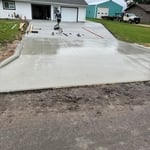
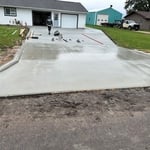
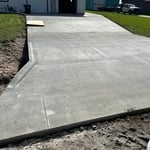
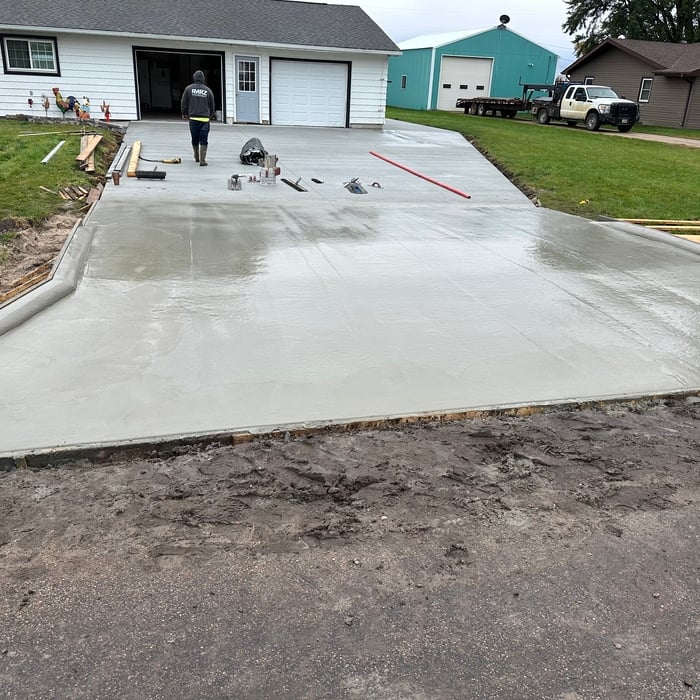
"Angel and his crew have completed 20+ projects for me on my rentals and flips. Best in the business when it comes to any flatwork. He has done my driveways, patios and sidewalks. Easy to work with and competitive pricing!"
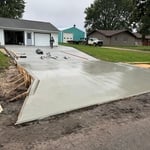
Drive way
Drive way
Drive way
Drive way
Drive way

+23

2 neighbors recently requested a quote
Avatar for Perfect Painting & Renovations
Perfect Painting & Renovations
5.0(
3
)
Lawn & Yard Waste Clean UpLawn Care - Maintain and Mow a Lawn

Serving Genoa, NE and surrounding areas

In business since 2018

Free estimates

Offers commercial services

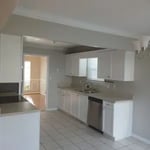
"I had cabinets replaced in my kitchen and it was a big job. Brian removed all my old cabinets and installed new ones I picked out from menards. He did a great job and was a professional about every detail until completion. I would definitely recommend him to anyone I know."
Gallery
Gallery
Gallery
Gallery
Showing 1-10 of 49
Landscaping questions, answered by experts

It’s usually best to buy plants from a local greenhouse or nursery yourself, but landscapers are also a reliable option. First, you can choose exactly what plants you want based on their appearance rather than relying on your landscaper to choose. Additionally, while it’s more time-consuming to go buy the plants yourself, you’ll often save money because landscapers charge for delivery and may upcharge the plants. You can also speak to a professional at a nursery to ensure you understand how to care for your plants and get the most long-term value.

You should plant trees at least 15 to 20 feet away from your house, and more if the tree will grow large and spread its limbs. Trees pose several dangers to houses when planted too close. They can litter the roof with leaves and branches, create fire hazards, make a ladder for larger pests, and even damage the foundation as their roots grow.

If you use the wrong plants for your gardening zone, you’ll likely get less than desirable yields from them. In some cases, your plants can even die. It’s important to ensure that your plants are able to survive in your hardiness zone before getting them into the ground.

Grass is the most popular and safest option for planting over a septic drain field, but you can also plant small flowering plants and other lightweight plants that don’t have woody or deep roots. Avoid trees and bushes within 10 feet of the field, as the woody roots can crack the perforated pipes. You should also avoid planting vegetable or fruit gardens over your drain field, as a leak from the pipes could contaminate the soil and put anyone who eats the produce at risk.

You should use mulch because it protects garden soil in a few key ways. This extra layer between the ground and the elements protects against erosion, helps your soil maintain moisture, regulates changes in temperature, adds nutrients as it decomposes, and keeps weeds at bay.

The Genoa, NE homeowners’ guide to landscaping services

From average costs to expert advice, get all the answers you need to get your job done.