"The tech was very knowledgeable and went above and beyond to satisfy us. Our faucet was broken would not attach to the sink as the copper seal broke to the water lines."
"One oven doesn't work at all ( my choice, see above), the "working" oven was never calibrated properly so using it is hit or miss. It's time to call American Home Shield to see about replacing the entire unit. I'm waiting to finish other home projects before calling them. I don't know if I'll request Greenway again."
Install Above Ground Pools FAQs, answered by experts
Avoid the dreaded pool pop by only draining your pool during dry, temperate times of the year. If there is too much moisture or the threat of ice in the ground surrounding your pool, the pressure could disrupt the stability of your pool's floors and walls. Additionally, always open the hydrostatic drains in an inground pool toward the end of the design process.
It's not a good idea to drain an aboveground pool into your yard since the pool water's chemicals can harm your plants and the surrounding ecosystem. Instead, it's best to drain the pool into an appropriate sewer so it can be processed at a water treatment plant. You might also be able to drain it into your storm drain, depending on your region. Check with your city to learn about any relevant regulations.
Yes, you will need to shock your pool with high levels of chlorine or bromine when you first fill it to kill off bacteria and pathogens. You’ll need to wait for the chlorine concentration to come back down to a safe level before swimming. After that, you can test and maintain the chlorine and other levels as normal. The only exception to this is if you get pool water delivered by a professional. In that case, the water might come pretreated, so you might not need to shock it.
The depth of your pool depends on its intended use, the size of your lawn, and whether you opt for an in-ground or aboveground pool. Aboveground pools tend to be between four and six feet deep while in-ground pools range anywhere from three to eight feet. Permanent installations also have the option of shallow and deep ends.
Infinity pools do require slightly more maintenance than other pools because you’ll need to constantly monitor the water level. If the water level is out of whack, it won’t correctly flow over the edge, which gives the pool its infinity look.
That said, the rest of the maintenance is largely dependent on the type of material you choose. Concrete needs a little extra care to prevent algae growth, and you will eventually need to resurface it. Fiberglass and vinyl liners are algae-resistant but they’re not as durable.
The Curtis, NE homeowners’ guide to above ground pool installation services
From average costs to expert advice, get all the answers you need to get your job done.
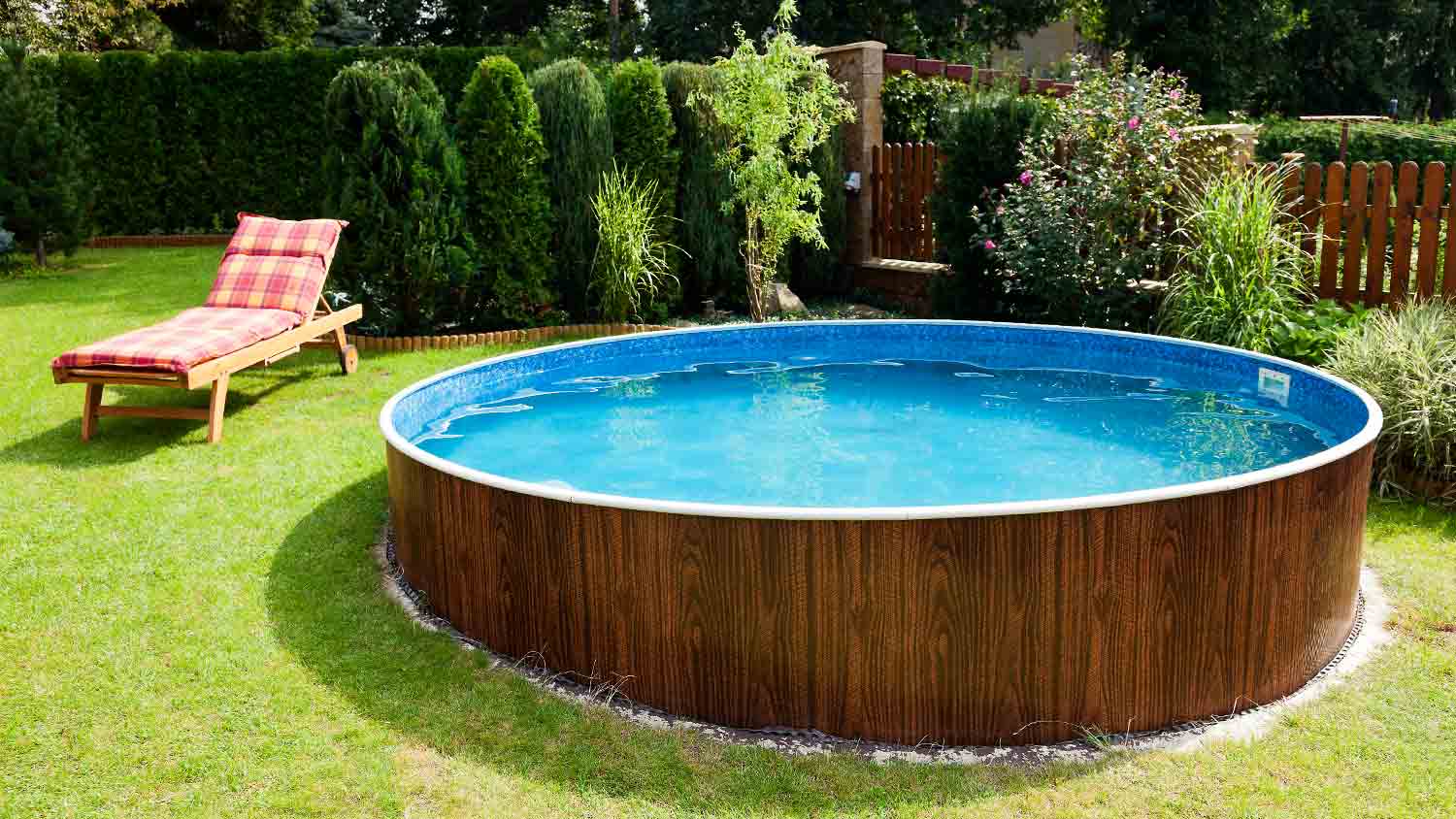
Above ground pools are more affordable than inground pools, so can you put an above ground pool in the ground to save money? Learn when it’s safe to do so.