







Ward Harlan Construction
Plaster - Repair - For Business
Serving Springfield, SD and surrounding areas
In business since 2013
Free estimates
Emergency services offered
"Customer is needing doors and windows."
Recommended by100%of homeowners

*The Angi rating for Plaster Repair companies in Springfield, SD is a rating based on verified reviews from our community of homeowners who have used these pros to meet their Plaster Repair needs.
*The HomeAdvisor rating for Plaster Repair companies in Springfield, SD is a rating based on verified reviews from our community of homeowners who have used these pros to meet their Plaster Repair needs.
Last update on October 02, 2025
Serving Springfield, SD and surrounding areas
In business since 2013
Free estimates
Emergency services offered
"Customer is needing doors and windows."
Serving Springfield, SD and surrounding areas
In business since 1979
Free estimates
"Was one of the most professional men, and pleases me with their work in a timely manner."
Serving Springfield, SD and surrounding areas
In business since 2025
Free estimates
Credit card accepted
We pride our company on reliability, great communication, integrity, and quality work. We are experts in our trade and will do our best to keep you as educated as we can on your particular task or project. We look forward to earning your business!
Serving Springfield, SD and surrounding areas
Free estimates
Warranties offered
Small jobs welcome
Headline: Expert Drywall Specialist – 15+ Years of Experience\n\nI have been working in the drywall industry for over 15 years, delivering high-quality results on hundreds of residential and commercial projects. My expertise covers the entire process: from professional installation (hanging) to flawless finishing (taping, mudding, and sanding) and expert repairs for water damage or holes\nI am based in South Dakota and surrounding areas and am willing to travel to ensure your project is handled by a pro. My special skills include achieving Level 5 smooth finishes and custom textures that make any wall look brand new.\nWhy hire me? My work philosophy is built on precision, honesty, and extreme cleanliness. I treat every home as if it were my own, ensuring punctuality and a seamless finish that is ready for paint. I don’t just fix walls; I provide peace of mind through expert craftsmanship.\n
Serving Springfield, SD and surrounding areas
In business since 2019
Free estimates
Credit card accepted
We are a locally owned and operated company that values honesty and integrity and treats your home as if it were our own. We have many years of experience to give you confidence that we are your number one choice for your next home project. You will find us to be competitively priced with close attention to the details of each and every project that we are involved with. We look forward to building lasting relationships and guarantee your satisfaction!
Serving Springfield, SD and surrounding areas
In business since 1999
Free estimates
David Ferguson's construction business is dedicated to quality and outstanding customer service. Our job is to provide you with quality service at a great price. Please don't wait call us today.
From average costs to expert advice, get all the answers you need to get your job done.
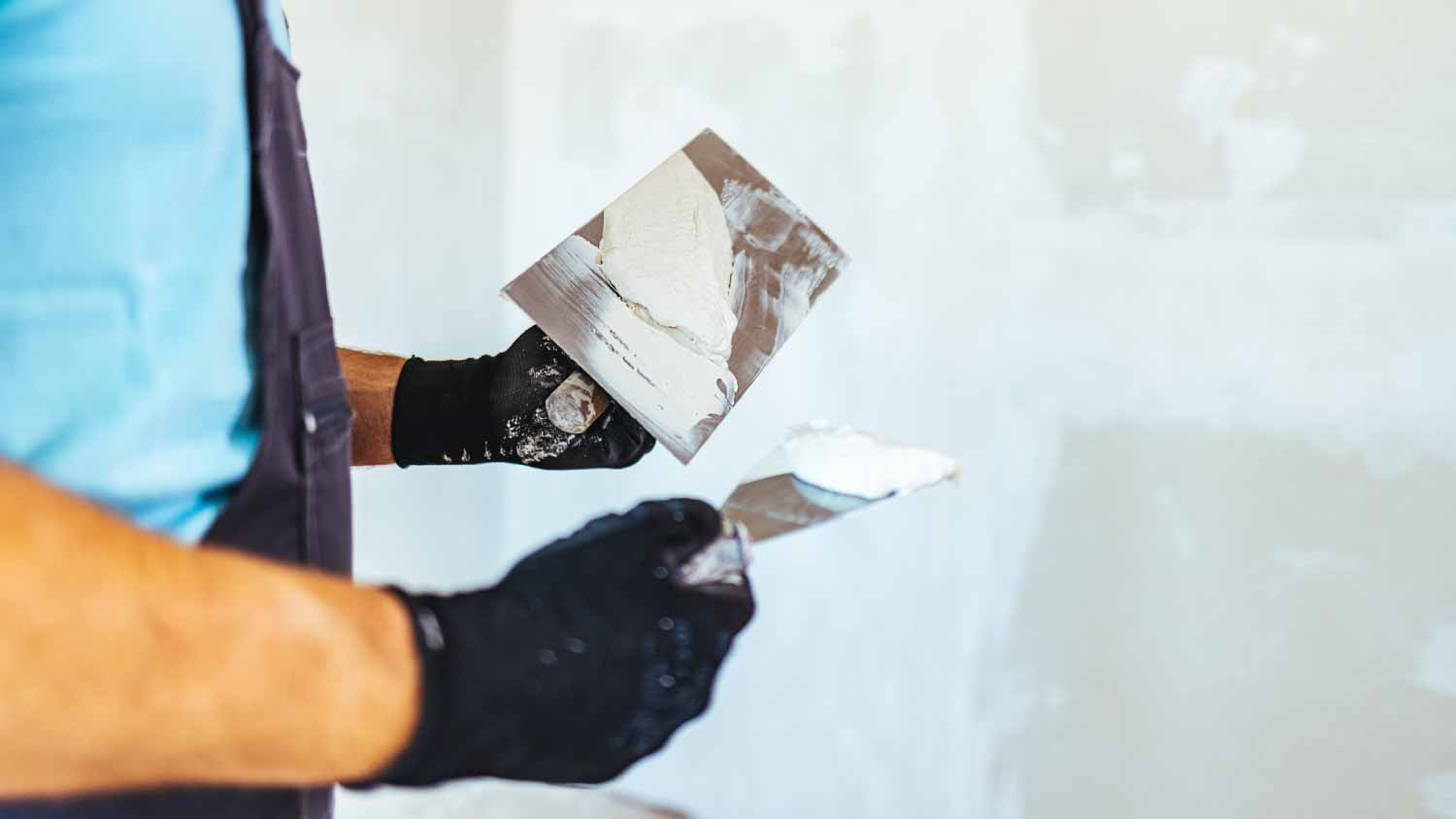
Plaster repair costs are determined by the size and type of damage. Discover why some fixes you can DIY and why some require a pro’s help.
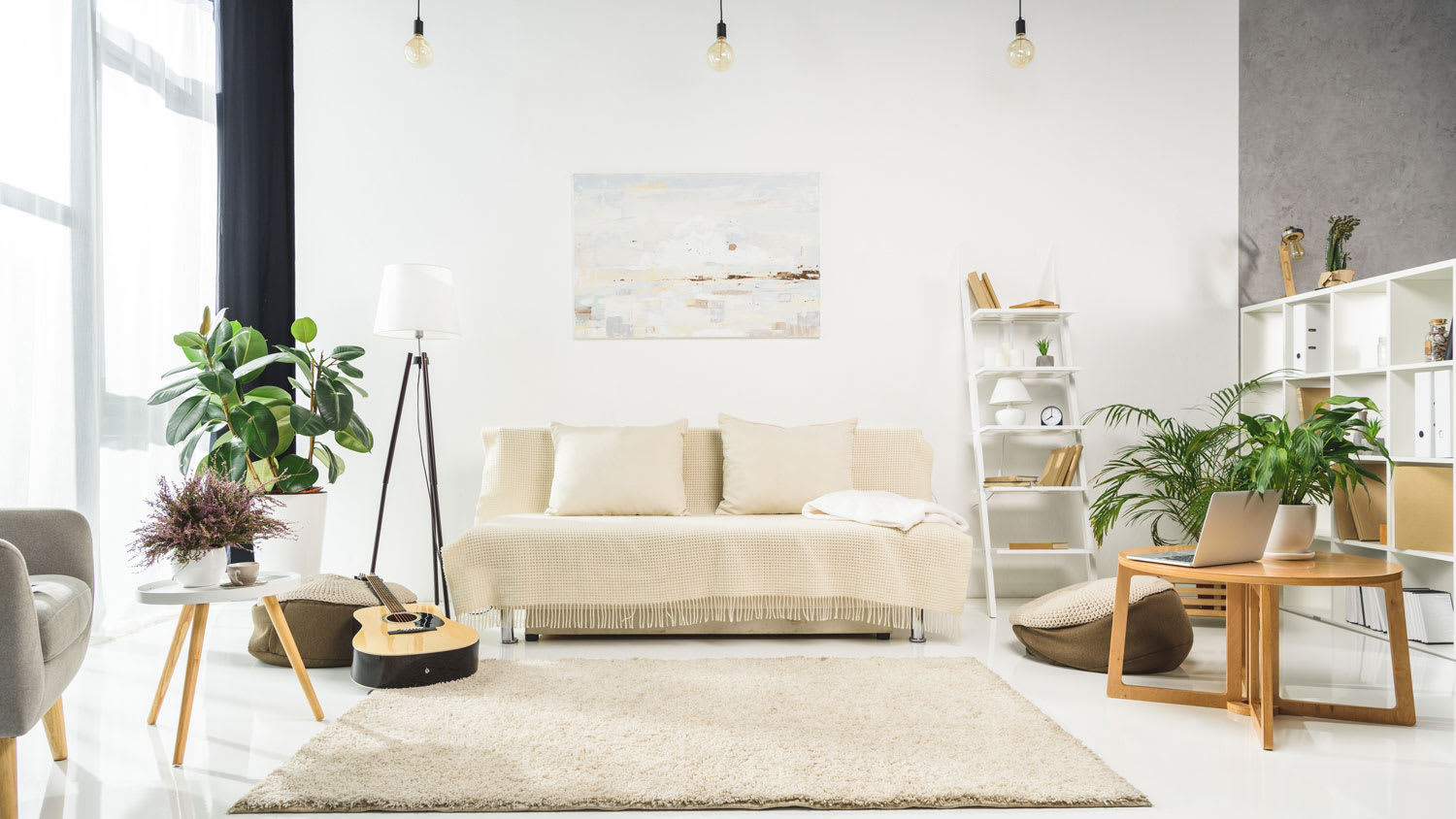
The cost of plastering walls and ceilings depends on the room size and ceiling height. Our tips can help you estimate an accurate cost.
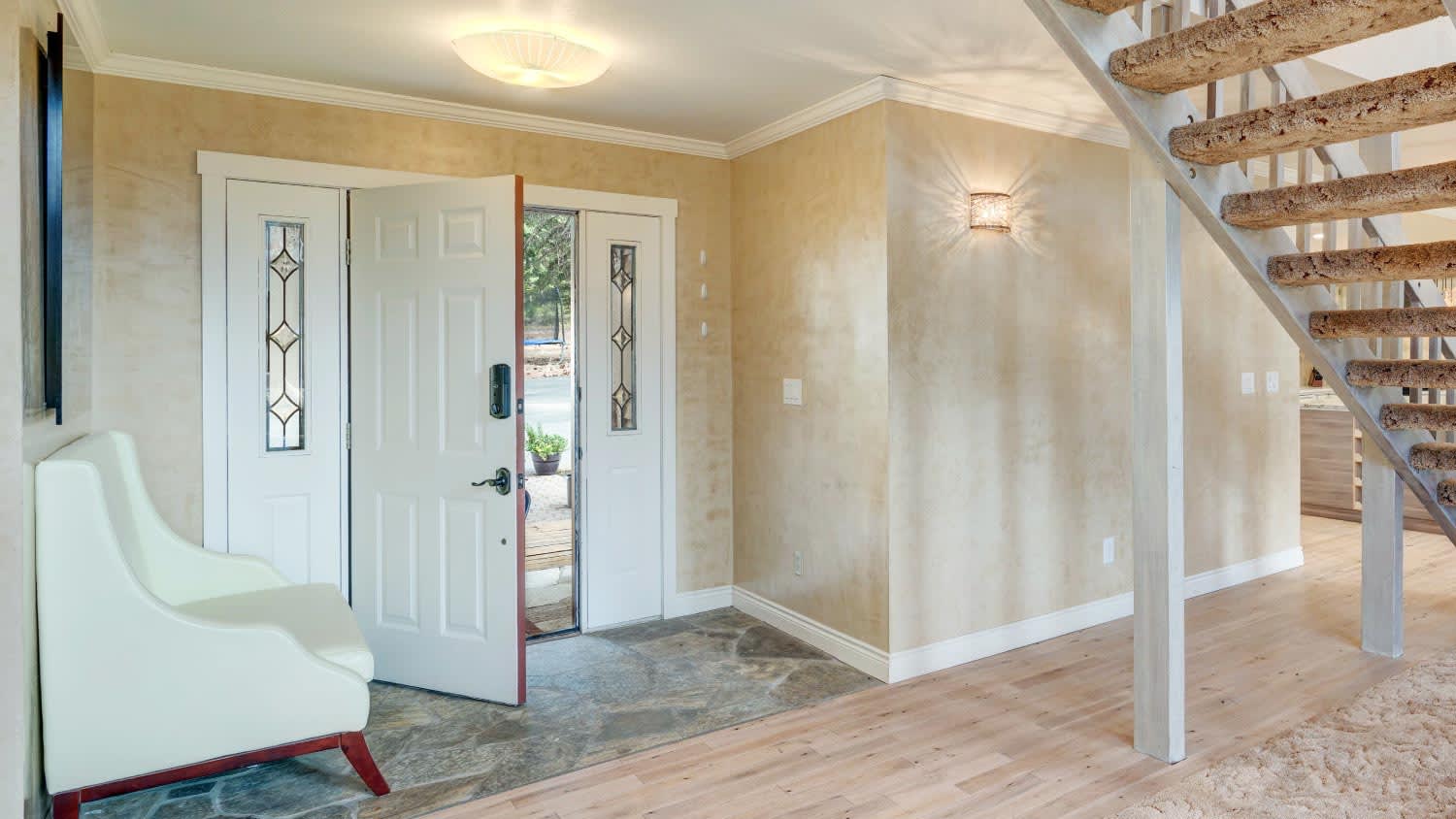
Venetian plaster can add depth and texture to your aesthetic. Learn how much Venetian plaster costs based on factors like square footage and whether you hire a pro to help.
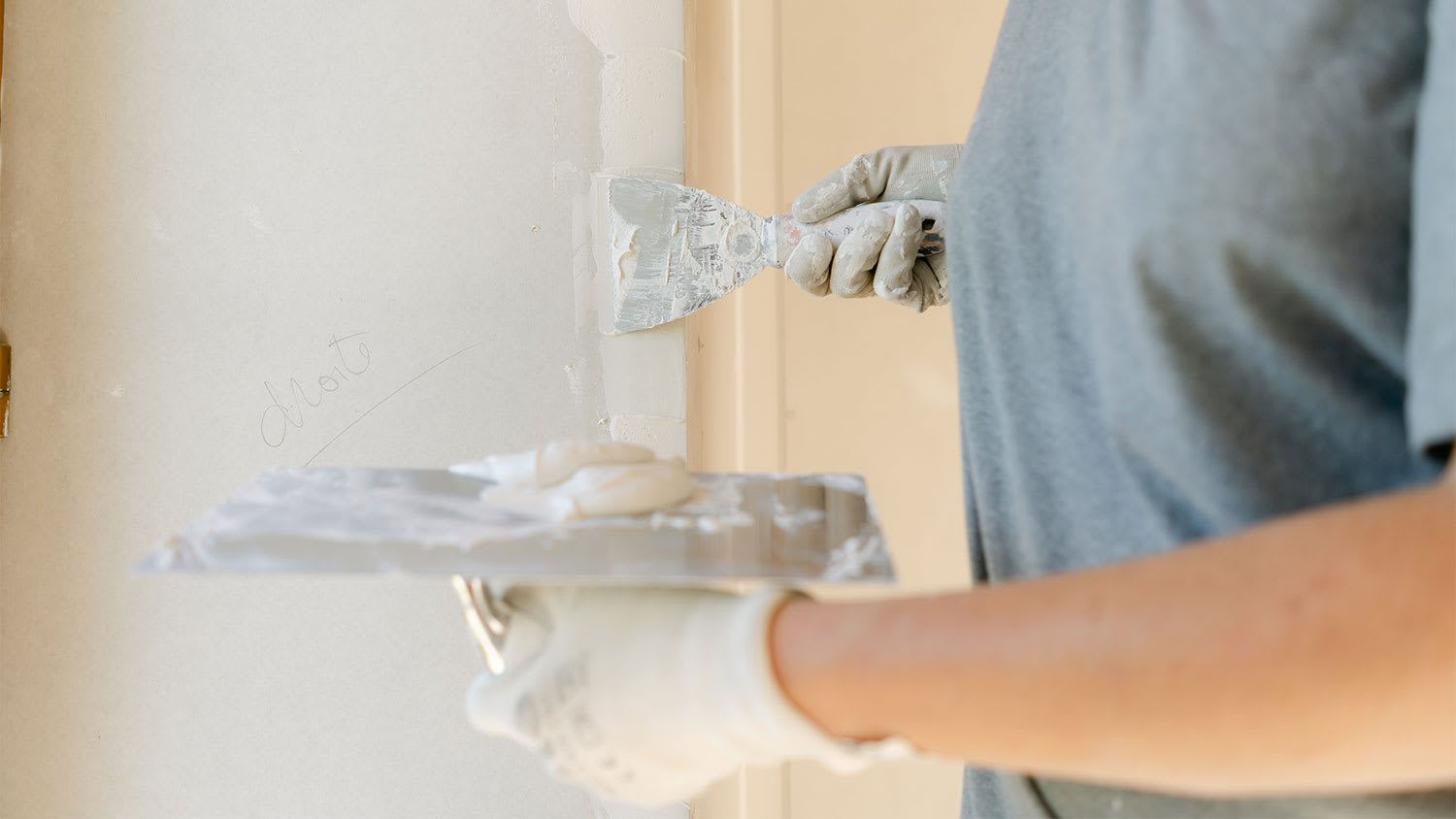
Finding a qualified plaster repair pro? Learn how to hire the right specialist, what questions to ask, and what to expect for your project.
Planning a plaster repair project? Learn about the process, average costs to expect, and how to hire the right local pro to restore your walls.

You can find plaster walls in a lot of older homes. What’s behind these walls—whether that’s lath or calcimine—can have an impact on how long they last. Finding out the age of your house can help you determine what you’re dealing with.