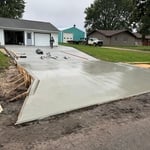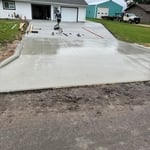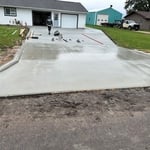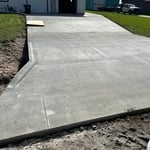



Top-rated asphalt driveway pros.

Get matched with top asphalt driveway pros in Alda, NE

Enter your zip and get matched with up to 5 pros

Need a pro for your asphalt driveway service project in Alda, NE?

Select your specific project to find the pro for you.

Find Asphalt driveway pros in Alda

Avatar for Vess Excavation and Grading, LLC
Vess Excavation and Grading, LLC
4.8(
2
)

Serving Alda, NE and surrounding areas

In business since 2022

Credit card accepted

We take great pride in our experience, expertise, quality and customer service, that we provide to meet the consumer's needs. It is our mission to provide excellent workmanship, and complete customer satisfaction, from start to completion of a project. In order to understand the needs and expectations of our customers, we take great care to work and communicate, with every customer in a professional manner. Our reputation is based on service, safety and quality, regardless of how large, or small the job. Call us today!

Response time2 days
Recommended by100%of homeowners

Avatar for Anointed Power
Anointed Power
2.5(
27
)

Serving Alda, NE and surrounding areas

In business since 2007

Free estimates

"I had such a great experience with anointed power ; they first painted the interior of our house,and we then had them do the exterior as well. They did a beautiful job and were very conscientious about cleaning up every day, (which I really appreciated after having past painters who did not clean up). They were professional, courteous, and made me feel comfortable when I had questions. I would highly recommend Donald's Company!! I am for sure going to spread how good this company did to anyone I know needing paint work done!! Thank you Anointed Power!!"
cleaning and trash out

+136

Recommended by70%of homeowners
Showing 1-10 of 27
Asphalt Driveways questions, answered by experts

Common alternatives to a gravel driveway include concrete, asphalt, brick, stone pavers, and permeable pavers. Concrete and asphalt are generally the most affordable options. However, concrete can be prone to cracking in cold climates, while asphalt may soften in areas with high heat and direct sun exposure. For enhanced curb appeal, brick, stone, and permeable pavers are popular choices, though their installation can be more expensive due to intricate designs. Stone pavers offer a natural look and are sometimes installed with gravel around them. Both permeable pavers and brick driveways provide excellent drainage, which helps prevent flooding and reduce water runoff.

Whether it's worth it to install a heated driveway depends on how often you'll use it, your lifestyle, and your budget. If you live in a mild climate with little snowfall, then installing a built-in heated driveway system may not be worth it. If you live in a region that experiences mild snowfall, then a portable mat could work better. However, if you live in a region with heavy snowfall, it makes sense to invest in a built-in heated driveway. 

The choice between asphalt and concrete depends on your priorities, budget, and climate.

Concrete is generally more durable, lasting up to 50 years with minimal upkeep, and offers more customization options like staining and stamping, which can add more to a home's value. However, it is more expensive upfront and can be prone to cracking in cold climates where water can freeze and expand.

Asphalt is typically cheaper and quicker to install and is easier to repair. It performs better in colder climates. However, it requires more maintenance, including regular resealing, has a shorter lifespan, and can get hot and sticky in intense sunlight.

Ultimately, if durability and long-term value are key, concrete is often the better choice. If upfront cost and performance in cold weather are more important, asphalt may be preferable.

Driveways should be sloped with a minimum 2% slope—anything lower will cause precipitation and runoff to collect. A 2% slope is the equivalent of a 2-foot rise over 100 feet. One quick way to check the integrity of your driveway’s slope: no more than four inches of water should collect on the surface longer than 15 minutes after rain.

Asphalt and tarmac are not the same thing. Traditional tarmac, short for tarmacadam, uses tar as a binder to hold crushed stone together. Asphalt uses bitumen—a byproduct of crude oil—to bind aggregate. Though tarmac was once a go-to for roads, asphalt has become the modern standard. And these days, most surfaces referred to as “tarmac” are actually asphalt. So, while the names may overlap, the key distinction lies in the binder—tar for tarmac and bitumen for asphalt.

The Alda, NE homeowners’ guide to asphalt driveway services

From average costs to expert advice, get all the answers you need to get your job done.