Snaking a toilet is similar to clearing sinks and bathtubs, but there are unique circumstances where you’d have to drain, disassemble, and remove the toilet to fix the clog. For stubborn clogs in the toilet trap, a toilet auger—designed with a shorter cable and a protective plastic encasing—can navigate the tight bends and clear the clog without risking damage to the porcelain.
If you’ll be digging up your floor to get access to your pipes when putting in a sewer backflow preventer, this would also be a good time to take care of any other plumbing issues or renovations. For example, you could install additional pipes for a basement bathroom. Since the floor will be sealed over with concrete when you’re done, now’s a good time to take care of those bigger tasks.
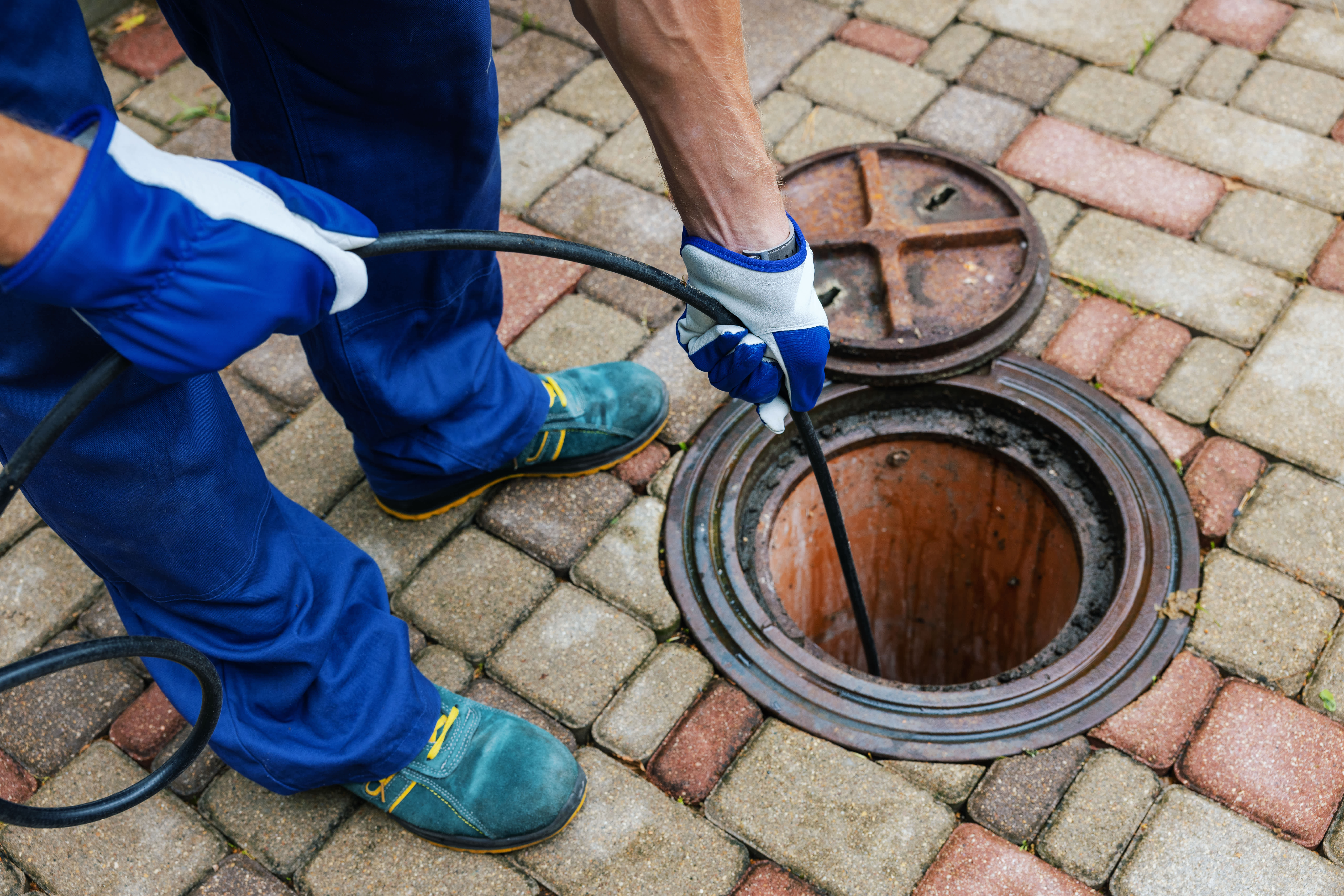
A sewer line should be cleaned at least once every 18 to 22 months. The process takes about 30 minutes or up to 5 hours, depending on the size of the line, how easy it is to access, and how long it’s been since the previous cleaning. If your sewer line hasn’t been cleaned in a couple of years or you don’t even know the last time it’s been cleaned, it’s time to call a pro.
Your sewer line can get grimy quickly. To prevent sludge buildup in your sewer line, pour a mixture of 1/3 cup of vinegar and 1/3 cup of baking soda down each drain in your home once a month. After about 30 minutes, flush the drain with hot water.
Some plumbers recommend 3/4 cup of bleach instead to clean any germs and bacteria that may build up in your sewer line. But this won’t break down any active clogs, and it cannot be combined with vinegar, as the mixture will create a toxic, hazardous gas.
It is generally safe to stay in a house that smells like sewage for a short time, but you should get the problem fixed as soon as possible. While the level of sewer gas is usually low enough to only cause minor symptoms, prolonged inhalation can lead to headaches, nausea, or respiratory irritation. High levels of gas exposure can be more dangerous, and high concentrations of methane—a component of sewer gas—can pose an explosion risk in enclosed spaces. If you smell sewer gas in your home, ventilate the area and call a professional to locate, assess, and fix the problem, as it will not go away on its own.
The Walhalla, ND homeowners’ guide to sewer cleaning services
From average costs to expert advice, get all the answers you need to get your job done.
A clogged main sewer line can lead to gas or wastewater leaks. Find out what main sewer line clog repair costs by type of service, clog severity, and more.
The best way to keep your sewer line running smoothly is with some regular maintenance. But don’t worry—it doesn’t take much effort. Read on to learn how.