
Top-rated sewer cleaners.

Best sewer cleaners near Park River, ND

Enter your zip and get matched with up to 5 pros

Need a pro for your sewer cleaning project in Park River, ND?

Select your specific project to find the pro for you.

Top-Rated Sewer cleaners in Park River - Updated Nov 2026

Sewer Cleaning FAQs, answered by experts

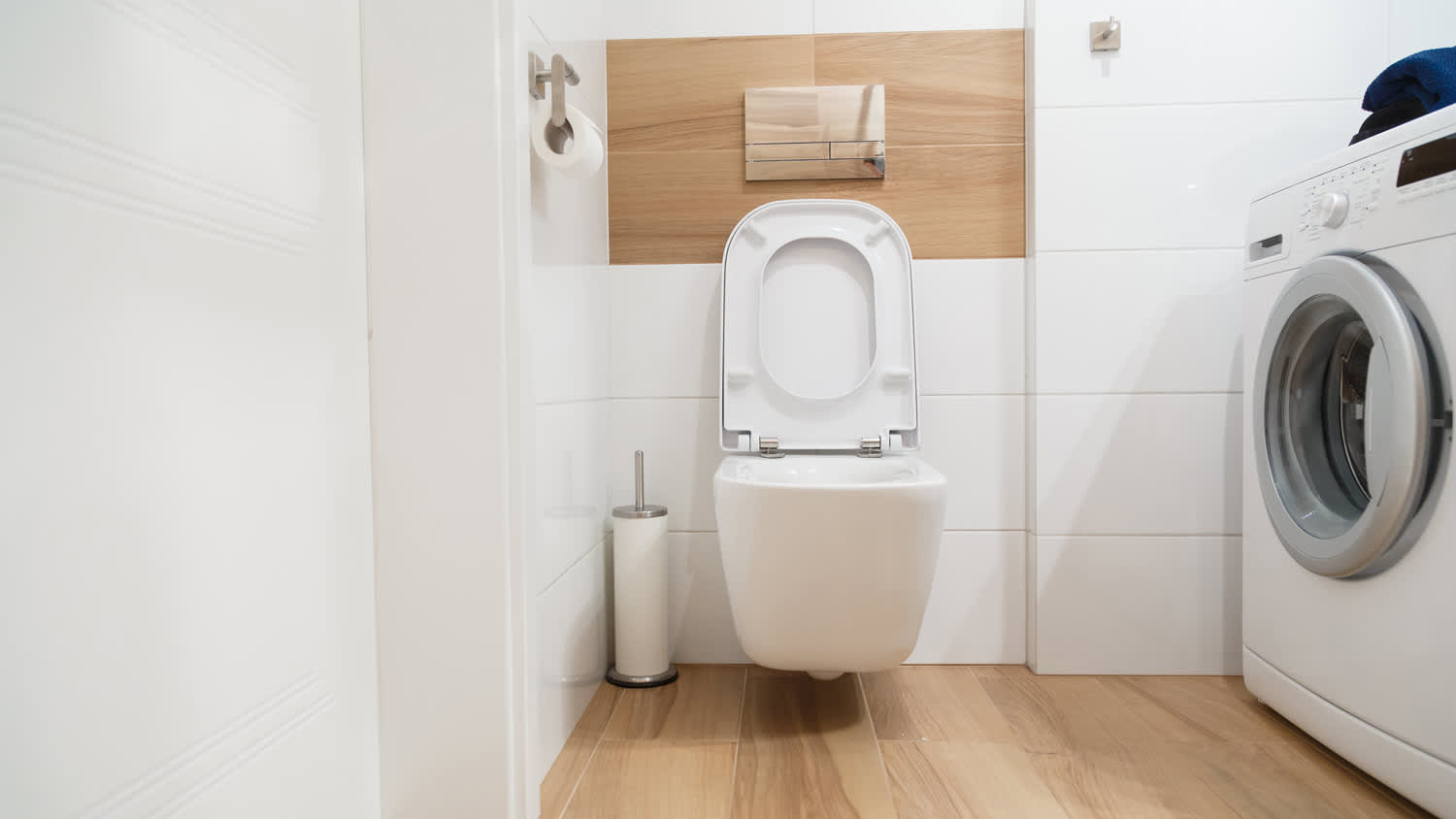
Thankfully, it’s pretty rare to find a rat in your toilet. It’s more likely in larger cities with big sewer systems that can be feeding grounds for rats, but even then, you still shouldn’t fret. 

“I wouldn’t worry too much about rats coming up through the sewers,” Bradshaw says. “I’d say only one out of a thousand rodent customers we get actually have this problem. And of the 20 or some customers that have had this happen, they’ve all only had just one rat come up this way.”

First, find the cleanout pipe in your yard. Unscrew the cap—you may need a wrench to do so. Then, get a drain snake. You can use a non-motorized one, but a motorized snake will make the job a little easier. Feed the snake through the pipe until it reaches the clog. Spin the snake continuously, but don’t try to feed it through the pipe anymore. Keep spinning until you feel it break the clog apart.

The type of clog in your sewer main determines the required cleaning method. Different types or methods of sewer main cleaning require various tools like chemicals, mechanical removal, or a combination of both. Some of the most common types of sewer main line cleaning include:

  • Minor debris removal: $100–$600

  • Tree root removal: $100–$1,000

  • Trenchless pipe repair: $60–$250 per linear foot

  • General line repairs: $1,000–$4,000

  • Full pipe replacement: $3,000–$25,000

The best practice is to clean the sewer drain lines in your home once a year or every two years. Older homes could require more frequent maintenance. Keeping up on cleaning your sewer lines can prevent severe clogs, help ensure your system is working properly, and prevent expensive repairs.

Some flushable wipes companies say they are designed to disintegrate within a few hours to a few days after being flushed. These wipes allegedly use materials that are more water-soluble than traditional wipes. However, many experts have raised concerns that even so-called "flushable" wipes do not break down as easily as claimed and can contribute to clogs and blockages in sewer systems.

To prevent plumbing and sewer problems, avoid flushing wipes, even those labeled as flushable. Instead, dispose of them in the trash. This can help prevent costly plumbing issues and reduce the strain on wastewater treatment systems.

The Park River, ND homeowners’ guide to sewer cleaning services

From average costs to expert advice, get all the answers you need to get your job done.