B & E Excavating is committed to excellence in every aspect of our business. We uphold a standard of integrity bound by fairness, honesty, and personal responsibility. Our distinction is the quality of service we bring to our customers. Accurate knowledge of our trade combined with ability is what makes us true professionals. Above all, we are watchful of our customers' interests, and make their concerns the basis of our business.
\n
"I just pay $75 you never know who's going to come out. They do everything electrical. Just about everything is covered except the septic tank. I had an air conditioner replaced. It went great, all I had to do was pay for the freon. He didn't charge e more than what was needed."
At Luckey's Septic Service, we pride our company on reliability, great communication, integrity, and quality work. We strongly believe in giving our absolute best in all the work we perform. We are experts and will always keep you educated about the work process. We look forward to earning your business.
Most shallow residential wells are somewhere between 25 and 50 feet deep. They are among the simplest well systems. Deeper wells usually involve drilling to a much greater depth. Water wells for household use are typically 100 to 500 feet deep, depending on local groundwater conditions. Some may be up to 1,000 feet deep or more.
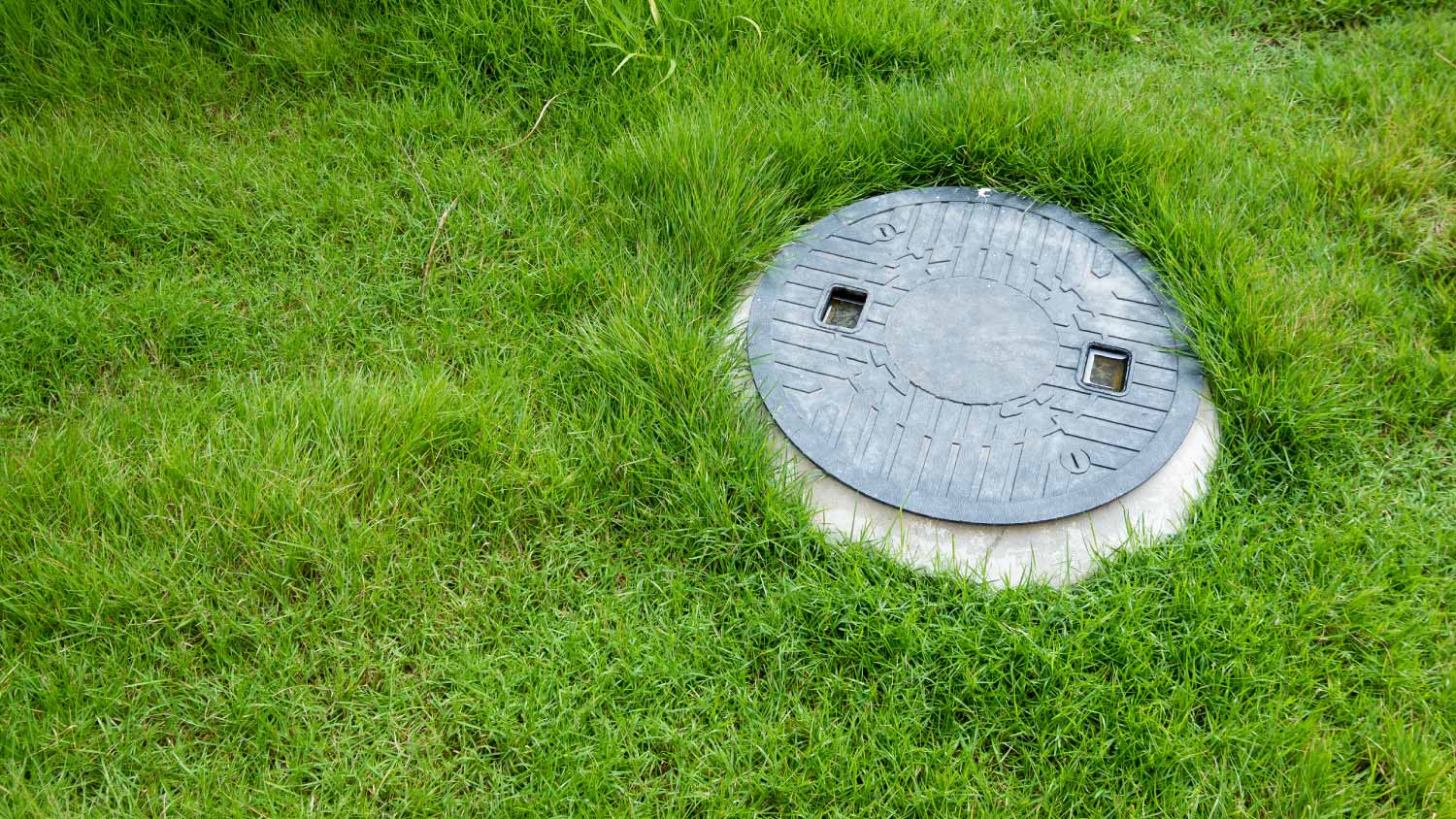
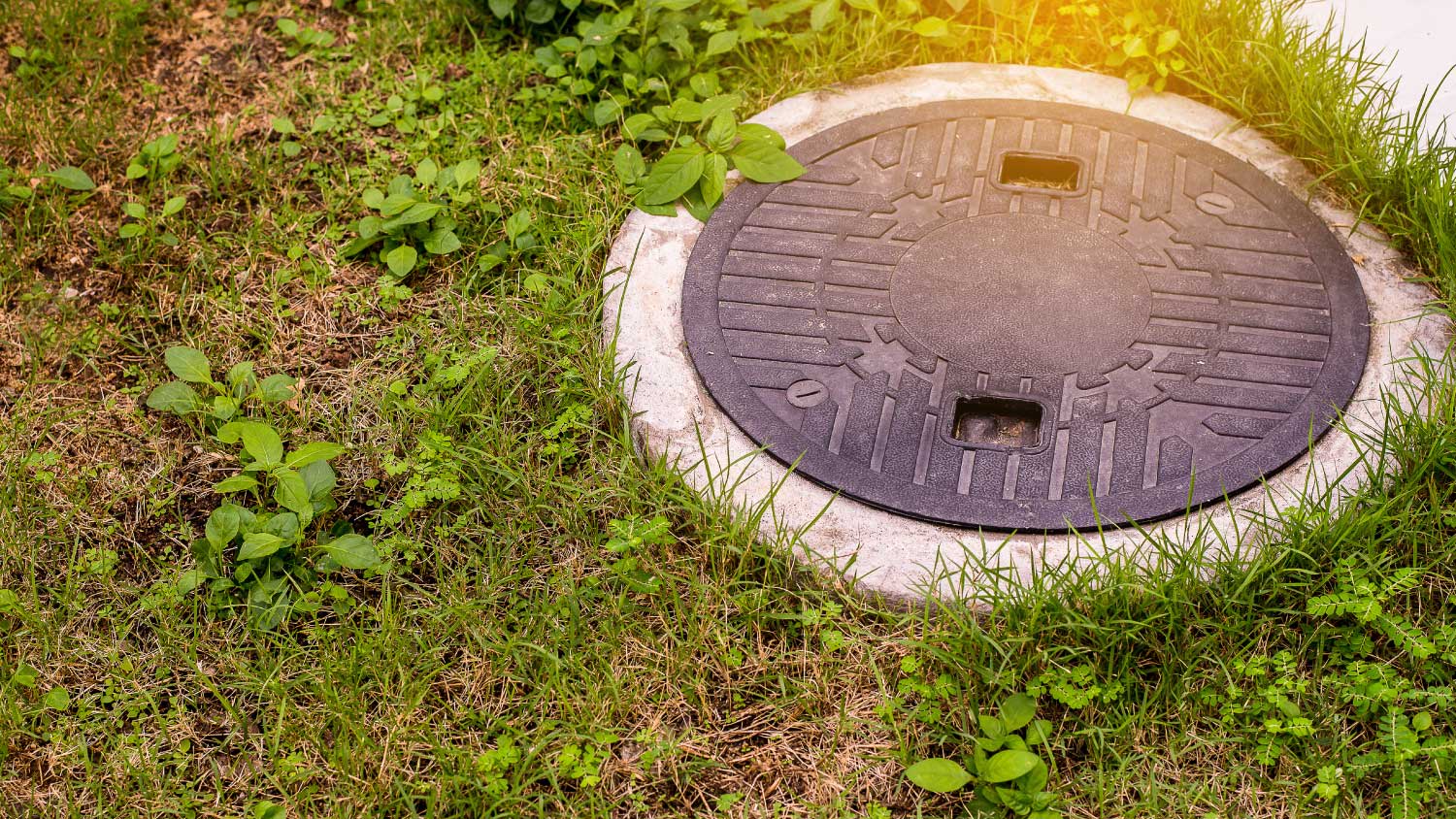
There is no standard depth for burying a septic tank; they are typically buried anywhere from 4 inches to 4 feet underground. The final depth depends on several factors, including the depth of your main sewer line, the height of the bedrock, soil type, local regulations, and the property's landscape. If you plan to grow grass or plants over the tank, a depth of at least 4 to 6 inches is recommended. Deeper tanks can be more difficult to locate, but a septic professional can help find it for you.
How deep your septic system needs to be into the ground depends on several factors. In extremely cold environments, the tank needs to rest below the maximum frost line, which can be up to six or eight feet deep. The standard burying depth for most systems is between a few inches and four feet below ground level. Depth can also depend on the slope of the landscaping and other property variables.
If you notice a septic smell in the house, you can either call a septic system repair company or a plumber. These professionals have the proper licenses and equipment to investigate the pipes and septic tank while keeping your family safe from sewage gas exposure and raw sewage leaks. They will be able to find the problem as soon as possible and get it fixed so that your home can get back to smelling fresh again.
You can put yogurt in your septic tank, but it will not increase the bacteria in your septic tank. In other words, it won't harm your tank, but it won't get rid of a septic smell or boost the performance of your septic system. While yogurt contains helpful bacteria, you would need to buy an extraordinary amount of yogurt to make any difference. Adding yogurt is not a helpful or cost-effective strategy.
The Lisbon, ND homeowners’ guide to septic tank services
From average costs to expert advice, get all the answers you need to get your job done.
Caring for your septic system is crucial to ensuring its long life. But how much does it cost to pump a septic tank? We explore the different cost factors.
A damaged septic system can leak odors and sewage, so repairs are urgent. Find out how much septic tank repair costs based on repair type, tank size, and more.
Septic tank risers make it easy to access your septic tank when it’s time for routine inspection, maintenance, and pumping, saving you precious time and labor costs.
Septic tank sizes vary depending on the size of your home, how many people live there, how much water you use, and more. Read on to learn how to determine the right size for you.