Hotshot Mobile Welding is committed to excellence in every aspect of our business. We uphold a standard of integrity bound by fairness, honesty, and personal responsibility. Our distinction is the quality of service we bring to our customers. Accurate knowledge of our trade combined with ability is what makes us true professionals. Above all, we are watchful of our customers' interests, and make their concerns the basis of our business.
\n
We have 12+ years experience on our staff. We guaranty all of our work to the finest quality. There is no job to big or to small that we cant handle in a very timely manner.
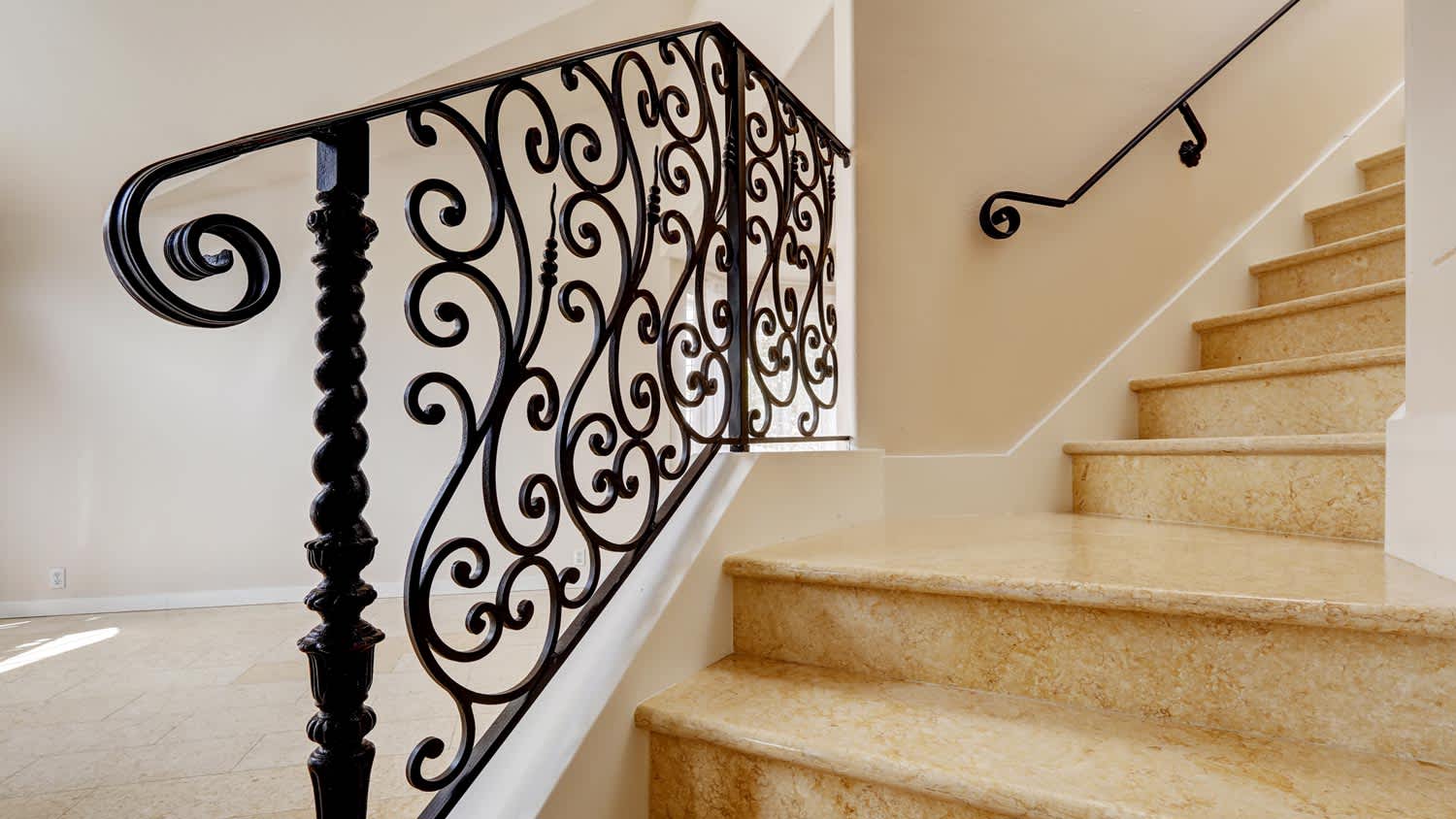
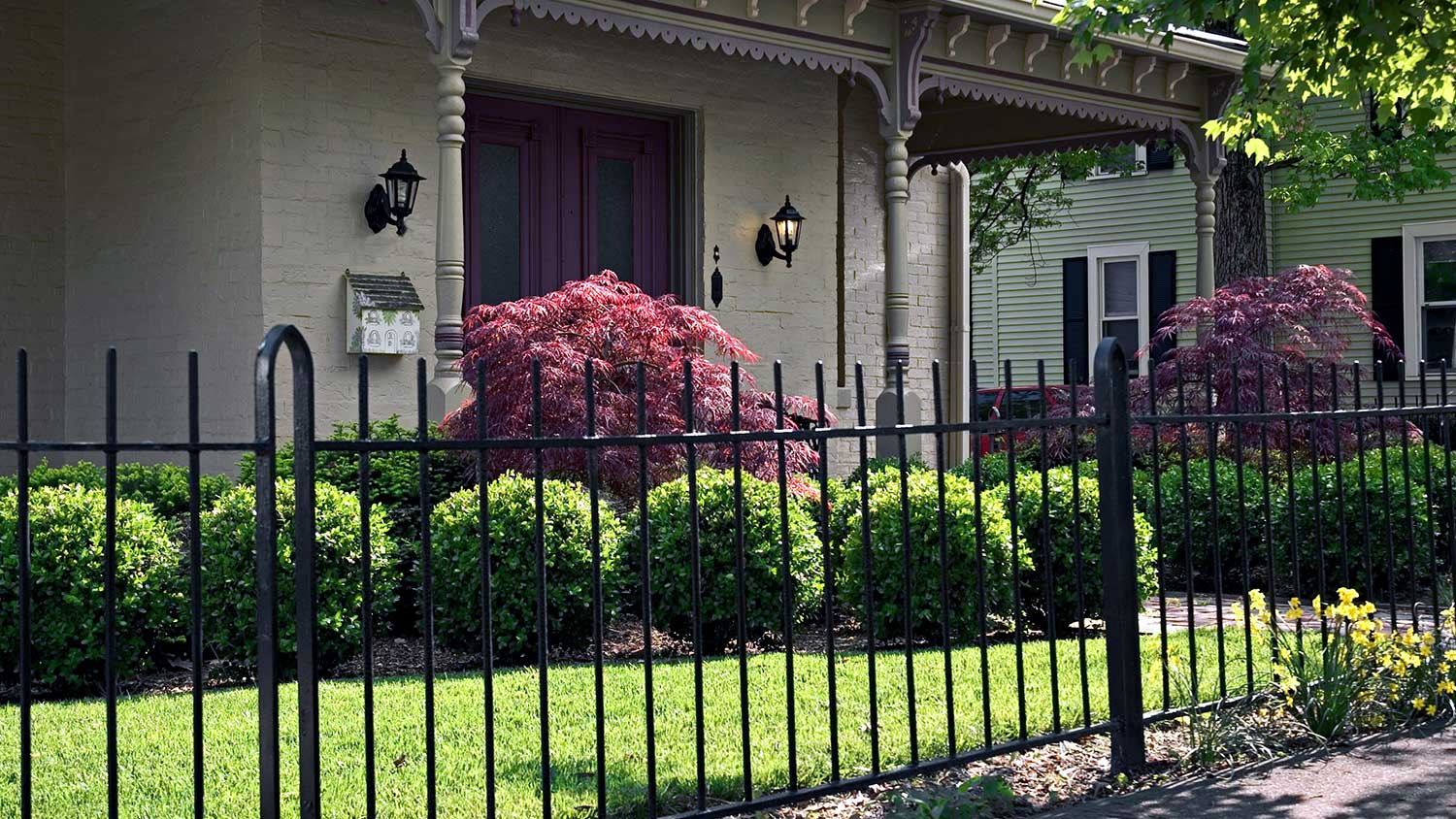
Yes, installing wrought iron fencing will usually require a building permit, as do all types of fencing. Building permits for wrought iron fencing typically cost between $150 and $500, and the price will vary based on where you live and how much your local building department charges. You may also need to pay for a property survey if you’re installing wrought iron fencing on your property line. This type of survey can cost around $500, but it prevents issues with building on neighboring properties, which can be much more expensive in the long run.
Vinyl and chicken wire are two of the best and most affordable materials for a DIY garden fence. Vinyl is a great option because it is cost-effective, easy to work with, and effective at keeping pests out. A vinyl fence can cost as little as $15 per linear foot, especially if you install it yourself. Chicken wire is even more budget-friendly, costing as little as $2 per linear foot. While chicken wire is more affordable, vinyl is a better choice if privacy is a concern. You can also add chicken wire on top of a vinyl fence for extra security.
Clean regularly, inspect for rust, and repaint or seal to prevent corrosion.
The most common height of a front yard fence is around 3 feet high, but it can vary depending on your zoning laws. If your fence is meant to create privacy, something closer to 6 feet or higher will do the trick. Most of the time, the highest fence you’ll see is 8 feet tall.
Installation typically takes 2-5 days, depending on the fence size and site conditions.
The Elgin, ND homeowners’ guide to wrought iron services
From average costs to expert advice, get all the answers you need to get your job done.
Unsure who to hire to install a wrought iron fence? Compare fence contractors and ornamental iron pros, see how installation works, and choose confidently.