Woehl Welding Services LLC is committed to excellence in every aspect of our business. We uphold a standard of integrity bound by fairness, honesty, and personal responsibility. Our distinction is the quality of service we bring to our customers. Accurate knowledge of our trade combined with ability is what makes us true professionals. Above all, we are watchful of our customers interests and make their concerns the basis of our business.
Simply The Best! Our entire business is built around the customers that purchase our products. They see an immediate difference is our customer service from their very 1st phone call. Servicing the customer is more than being nice initially in an attempt to get another contract signed. \n\nWhat you will receive from Xtreme Fence, is an immediate return call from an area manager thanking you for your inquiry and assigning a representative to your request. They will immediately follow up and set an appointment time with you to view our product line. You can expect and will receive a professional installation with the same courteous treatment you deserve. \n\nThis professional attitude toward the customer is what sets Xtreme Fence apart from the competition and every customer becomes a verbal billboard for our company. Customer Service is not a department of Xtreme it's an attitude . Why not give us a chance to prove what we claim?\n
Faughn Construction, we pride our company on reliability, great communication, integrity, and quality work. We strongly believe in giving our absolute best in all the work we perform. We are experts and will always keep you educated about the work process. We look forward to earning your business.
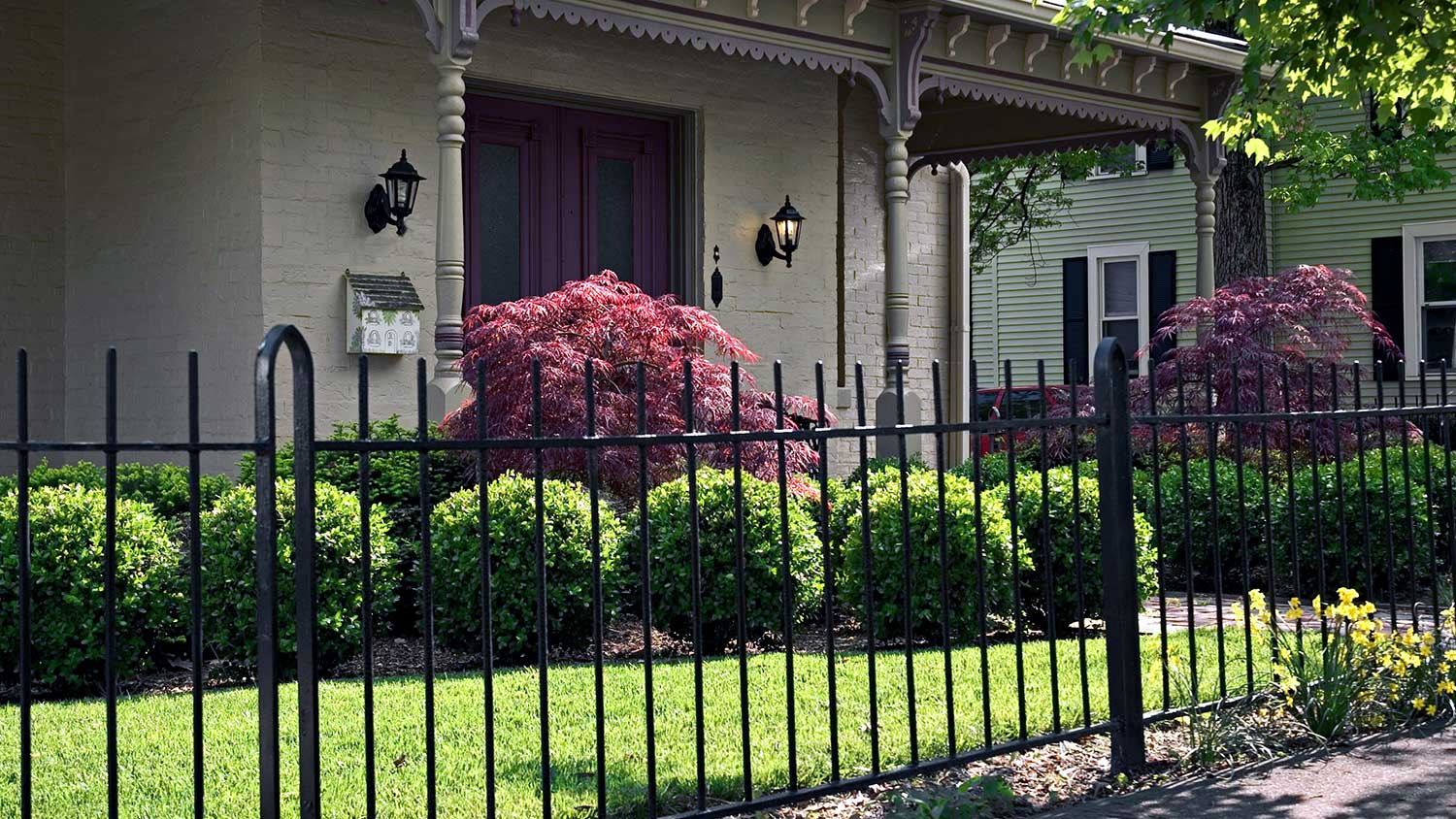
The most durable metal for a fence is wrought iron. With proper care, a wrought iron fence can last for centuries. This means regular resealing to stave off rust and corrosion, especially in coastal climates with salty sea air. In these environments, chain link and corrugated fencing tend to stand up better to the elements with fewer maintenance needs.
Installation typically takes 2-5 days, depending on the size and complexity of the project.
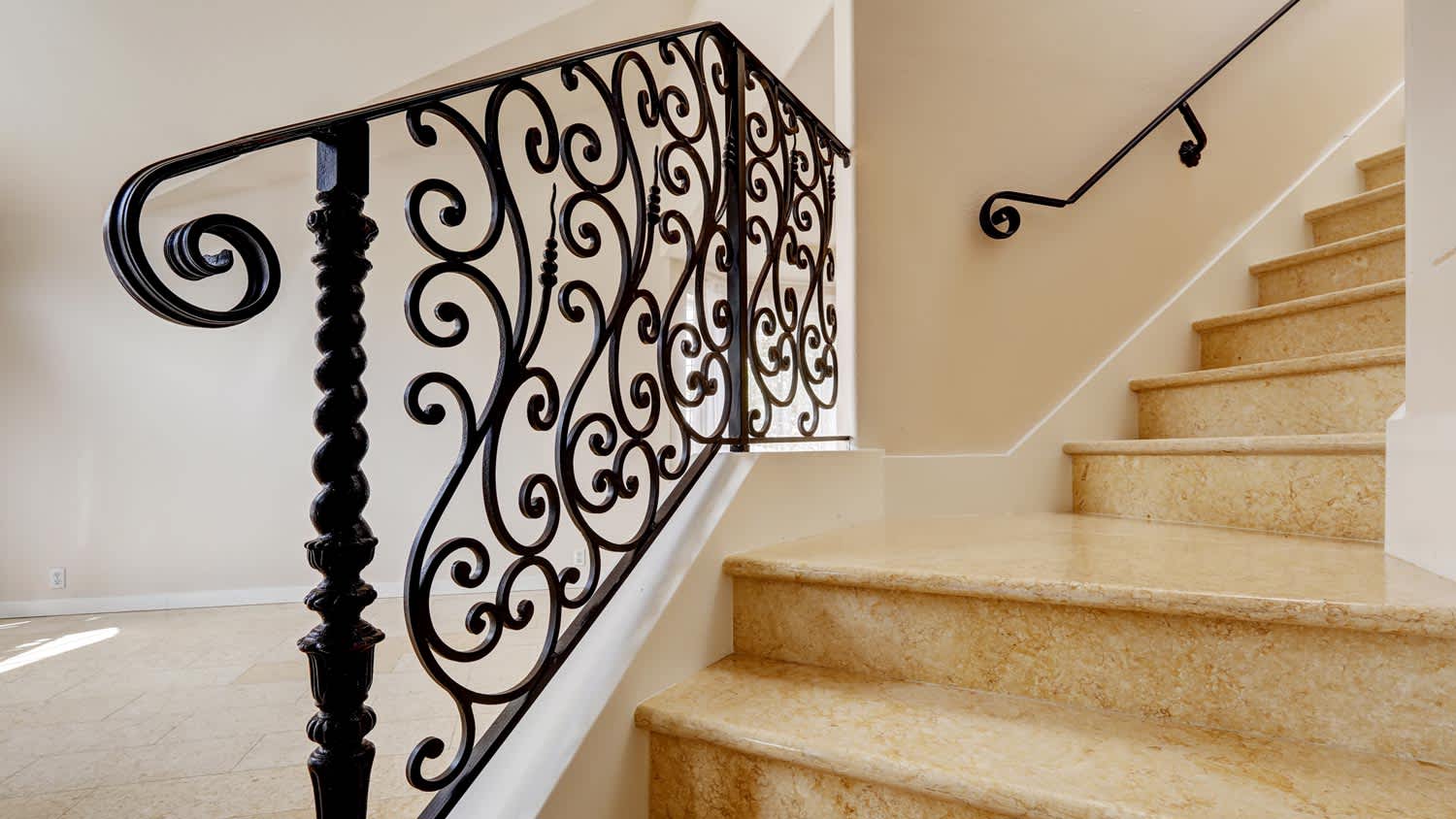
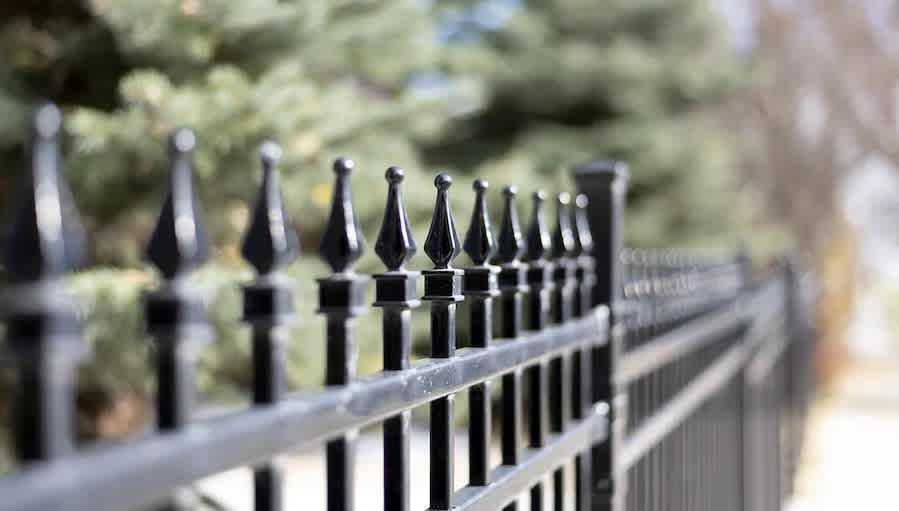
Wrought iron is durable, secure, and adds an elegant aesthetic to its properties.
The safest pool fence depends on your specific needs, such as protecting children and pets. Generally, a fence that is difficult to climb and lacks gaps that a child or pet could slip through is safest. Mesh and tempered glass are very safe options because they are difficult to climb. Mesh fences often meet height requirements, although they may not be the most durable. Solid fences made of wood, concrete, or stone can also be very effective, provided they are high enough to prevent climbing. For additional safety, you could install a pool safety net or a full swimming pool enclosure. Proper maintenance of the pool area is also essential.
Proper installation can make a big difference in your fence's maintenance needs. For example, wood fences that aren't installed correctly can be more likely to rot. While it's possible to DIY a fence installation, hiring a local fence company can mean much less work for you in the long run.
A professional fence installer will make sure your fence is positioned correctly and installed in a way that ensures longevity and limited upkeep requirements.
The Mclaughlin, SD homeowners’ guide to wrought iron services
From average costs to expert advice, get all the answers you need to get your job done.
Unsure who to hire to install a wrought iron fence? Compare fence contractors and ornamental iron pros, see how installation works, and choose confidently.