

•
Get expert insights on wrought iron railing repair cost, including average prices, key cost factors, and tips to save on your next project.
Fencing service costs depend on your project and location. Check with a local pro for your specific job.

Professional wrought iron fence installation costs between $1,421 and $5,138, with most homeowners paying around $3,171 for your project.
The height of your wrought iron fence and the type of finish you choose will determine your final installation total.
You should account for the cost of building permits, property surveys, and fence removal when you create your project budget.
Hiring a local wrought iron fencing professional ensures your fence is straight, secure, and anchored for lasting durability.
In 2026, the national average cost to install a wrought iron fence is $3,171, based on 1,659 verified projects from Angi Pros. Most homeowners pay between $1,421 and $5,138, with the final cost driven by fence length, height, and finish type.
A wrought iron fence costs $25 to $35 per linear foot for materials on a typical 4-foot fence, so the larger the enclosure, the higher the total price. A shorter 3-foot fence runs around $22 to $26 per linear foot, while a taller 6-foot fence costs about $33 to $36 per linear foot. Fence height is one of the primary cost drivers, but factors like iron thickness and coating type can also shift your final number. Here is a breakdown of average costs by linear footage:
| Linear Feet of 4-Foot Fencing | Wrought Iron Fence Average Cost Range in 2026 |
|---|---|
| 50 | $1,250–$1,750 |
| 100 | $2,500–$3,500 |
| 150 | $3,750–$5,250 |
When choosing a wrought iron fence, you have three main options, each with its own price range and trade-offs. A standard plain iron fence offers the lowest upfront cost and limited color choices, while ornamental styles add decorative details at a higher price point. Pre-galvanized metal is the best choice for low-maintenance performance, especially in humid or coastal climates. The type you select will directly affect both your installation cost and your long-term upkeep expenses.

Plain black iron fences are the least expensive option, costing between $25 to $30 per linear foot. Black is the standard finish, but additional colors such as gold, bronze, white, green, and maroon are available. Any color other than the natural black finish will add to your total, so factor that in when comparing bids.
A galvanized post and panel costs about $30 per linear foot, making it a mid-range option with strong long-term value. The zinc finish protects against rust and corrosion, which reduces future maintenance costs. This is especially worth considering if you live in a humid climate or near the ocean, where salty air accelerates metal deterioration.
Ornamental fence options cost between $30 and $35 per linear foot and include decorative details such as post toppers, curves or twists in the iron, and custom bar patterns. These additions give your fence a more distinctive, high-end appearance compared to a plain iron style. Particularly intricate designs can push your cost per linear foot up to around $50, so set a clear budget before committing to custom work.
Fence contractors typically charge $30 to $80 per hour, covering time spent on planning, sourcing materials, permitting, and installation. As a general rule, budget an additional 50% on top of your material costs to account for labor. A 200-foot fence takes the average contractor around 30 hours to complete, putting total labor costs in the range of $900 to $2,400. For fences taller than seven feet, expect to add 20% to 35% to your labor total for the extra effort involved.
Fence contractor: $30 to $80/hour
Wrought iron fence installation costs vary across the country based on local labor rates and material availability. Urban installations tend to run higher per linear foot due to additional planning and permitting requirements. In areas where yards share close boundaries, a property survey may also be required to confirm you are building on your own property. Here is how costs compare across select cities:
| Location | Average Wrought Iron Fence Cost in 2026 |
|---|---|
| Santa Fe, NM | $4,300–$5,300 |
| White Plains, NY | $6,500–$7,900 |
| Hartford, CT | $5,500–$6,700 |
| Boulder, CO | $5,000–$6,200 |
| Saratoga, CA | $6,000–$7,500 |
| Portland, ME | $5,400–$6,600 |
| Huntsville, AL | $4,000–$4,900 |
| Greenville, NC | $4,600–$5,600 |
| Madison, WI | $5,500–$6,700 |
Unlike cast iron fencing posts that have been melted and poured into a mold, wrought iron is actually heated and hammered with tools to create a precise shape. While some decorative metals are sold as "wrought iron" products, the truth is that only metal that has been forged, heated, and hammered is truly wrought iron. It's this rigorous process that allows wrought iron to become so hardy. Compared to wrought iron, cast iron is far more brittle because its internal stress points have not undergone a hardening process that makes them less prone to fracturing, bending, and warping.
| Material | Average Cost in 2026 |
|---|---|
| True wrought iron | $1,400–$5,100 |
| Cast iron | $2,500–$5,200 |
| Steel | $3,250–$6,000 |
| Carbon steel | $3,450–$5,200 |
Several additional factors can raise your wrought iron fence installation cost beyond the base material and labor prices. These include the fence's thickness, permit fees, a property survey, removal of an existing fence or vegetation, land grading, and the addition of gates or brick columns. Accounting for these items early helps you build a more accurate project budget.

A standard wrought iron fence uses a 12 mm solid bar and averages $25 to $35 per linear foot. Thicker options cost more because they require additional material and are harder to work with, which can also nudge labor prices higher. Since a standard thickness is already difficult to cut through, upgrading to a thicker bar adds little practical security benefit. For most homeowners, the added cost of a thicker fence is not worth it unless aesthetics are the primary driver.
Most perimeter fences require a building permit to confirm compliance with local rules on fence height, setback, and proximity to structures, and you can expect to spend around $20 to $60 on the cost of building permits. Skipping this step can result in having to remove and reinstall your fence, which would cost significantly more. Pulling a permit upfront is a straightforward way to protect your investment.
Unless you are replacing an existing fence that sits on your property line, a property survey is a smart step before installation to confirm your fence will be legally placed. A survey costs between $200 to $1,000, so factor this into your overall project budget. Getting this done before breaking ground can prevent costly disputes or required relocations later.
Removing an existing fence costs about $3 to $5 per linear foot when you hire a pro, and this step is necessary if you are replacing an old fence with a new wrought iron one. While removing fence panels yourself is manageable, digging out posts set in concrete is difficult and can damage your lawn. Talk to your fence installer about handling removal as part of the project. Be aware that your pro may charge additional dumping fees if the old fence cannot be recycled or scrapped.
If trees or bushes need to be removed or relocated along your fence line, expect to spend $200 to $2,000 for the cost to remove each tree or bush. Planning your fence route around existing vegetation is sometimes possible, but creating bump-outs to work around obstructions will increase both material and labor costs. Clearing the path before installation is usually the more cost-effective approach.
Land grading costs $1,000 to $3,225 on average, though steep slopes requiring a rise of 10 degrees or more can push costs to over $6,000. Wrought iron fences are heavy and difficult to install under any conditions, and a sloped yard makes the job significantly harder or even impossible without leveling first. If your yard has significant grade changes, budget for regrading before your fence installation begins.
Installing a wrought iron gate costs anywhere from $600 for a smaller manual gate to over $8,500 for an automated driveway gate. Most fences require at least one gate, so this cost should be part of your budget from the start. Automated gates represent the higher end of the range but add convenience and security that many homeowners find worthwhile.
Installing brick columns in place of standard fence or gate posts costs $450 to $1,275 per column, which can add up quickly across a full fence line. This upgrade delivers a stately, high-end appearance that many homeowners find worth the investment. To keep costs manageable, consider placing brick columns only on either side of the gate rather than using them throughout the entire fence.
Most homeowners pay between $253 to $788 for wrought iron fence repair, though a single repair can reach $1,350 or more in complex cases, and replacing entire sections typically runs $50 to $120 per linear foot. Rust is the most common issue: superficial rust and paint chipping can usually be addressed with repainting, while deep rust that compromises structural integrity often means replacement is the better call. Loose, bent, or fully detached pickets also signal a structural problem that requires section replacement rather than a simple repair. As a general rule, if repair costs will total 50% or more of the full replacement cost, replacing the fence is the smarter investment.
Wrought iron is a long-lasting material that reduces the need for frequent fence replacements, but there are several ways to lower your upfront installation cost. Here are some practical strategies to consider:
Seal or paint it yourself: DIY painting of your new wrought iron fence can save you around $8 to $10 per linear foot, with ongoing savings each time the fence needs recoating every two to three years.
Skip customizations: Adding ornamental touches or choosing thicker iron can increase project costs by around 15%; redirecting that budget toward a pre-galvanized upgrade reduces long-term maintenance costs instead.
Lower fence height: Reducing fence height or perimeter can slash $20 to $25 per linear foot from your total, and since wrought iron does not provide privacy, a shorter fence rarely compromises your goals.
Do a hybrid fence: Pairing wrought iron on the visible portion of your yard with a chain link fence for the rest keeps the premium look where it counts; chain link averages $10 to $20 per linear foot.
Reuse posts: If you are replacing an existing fence, reusing posts in good condition makes sense, since a single post can cost anywhere from $40 to $150.
Adding a wrought iron fence to your home may increase value if your local assessor considers this to be a capital improvement. As a luxury feature, a wrought iron fence adds value and curb appeal to a home from a buyer's perspective. Many people also value this type of fencing because it offers added security. An aesthetically pleasing, well-maintained wrought iron fence could potentially increase a home's value by 3% to 5%.
DIY wrought iron fence installation can save you $1,500, or $8 to $40 per linear foot, but you will still need to budget $25 to $35 per linear foot for materials plus another $100 to $200 for supplies. DIY fence installation is challenging without prior experience, and some tasks—like automatic gate installation or land leveling—are best left to a professional. We strongly recommend hiring a wrought iron fence company near you for these more complex aspects of the project.
Installing a wrought iron fence isn't a simple DIY task. Here's why it's best to hire a pro:
Pros ensure your fence is straight, secure, level, and anchored for lasting durability.
Experienced professionals have the tools and expertise to install heavy panels and unique designs.
Professional installation helps avoid common issues such as uneven posts, misaligned panels, and rust-prone areas.
Reputable installers often carry insurance and warranties for added peace of mind.
A professional can make sure your fence is installed properly, looks neat and clean, and provides the security you want and need for your property.
To assist your installer, consider helping out with the following tasks:
Remove trees, shrubs, and other obstacles along the fence line.
Clear debris, landscaping, and small structures before the job begins.
Paint or stain your fence after installation.
Arrange decorative elements, furniture, or accessories around the fence after the job is complete.
Be prepared to discuss the design and style of wrought iron fence you’d like to install.
Provide your installer with the general measurements and layout of your fence.
Ask your pro about potential add-ons, like decorative finials, automatic gates, or powder-coated finishes.
Discuss any obstacles, landscaping adjustments, or nearby structures that could affect the installation complexity.
Home is the most important place on earth, which is why Angi has helped more than 150 million homeowners transform their houses into homes they adore. To help homeowners with their next project, Angi provides readers with the most accurate cost data and upholds strict editorial standards. We’ve surveyed thousands of real Angi customers about their project costs to develop the pricing data you see, so you can make the best decisions for you and your home. We pair this data with research from reputable sources, including the U.S. Bureau of Labor Statistics, academic journals, market studies, and interviews with industry experts—all to ensure our prices reflect real-world projects.
Want to help us improve our cost data? Send us a recent project quote to [email protected]. Quotes and personal information will not be shared publicly.
A reliable team for moves across state. My switch to a new place needed careful lifting through tight hallways. The movers checked the doorway first, then carried heavier pieces with slow, controlled movements. Their patience helped prevent damage, and I?d choose them again.
We have used Window Warriors many times with no issues. They arrived on time and were very professional . We have pets and Window Warrior team treated them very well, well trusted team.
 Window Warrior of Columbus, Inc.
We have bought and sold numerous times over the past 50 years. Sherman Hall and Top Line are top notch. Thorough and detailed, he explains every possibility, probability, and eventuality. High class and pleasant. The best.
 Top Line Home Inspections, LLC
Our homes curb appeal skyrocketed thanks to Custom Paint Jobs LLC s exterior painting.
 Custom Paint Jobs, LLC
Window Depot did an amazing job on my deck. I wasnt sure what I wanted to do, but their composite decking was affordable and will last a long time. I am excited to have family over, and I am no longer embarrassed by my backyard. Jeff and the ground crew were polite, respectful, and caring for...
 Window Depot USA of Central Ohio
Storms Mobile Welding was great to work with. They were prompt, professional and did an overall excellent job on the project. I highly recommend.
Great job...edging and pre clean up went well with a great job with seal coat. Friendly, efficient and professional.
 All Star Paving and Sealing
Did an amazing job transforming my yard. Also installed sod in places, would recommend to everyone.
 Cardinal Landscaping & Construction LLC
We hired Andrew and the team from Midwest Lightscapes for a custom lighting design and installation on a Victorian Village home. The house had outdated low-voltage halogen outdoor lights and many of them were not working. Andrew designed and installed a new system including uplighting on the...
 Midwest Lightscapes
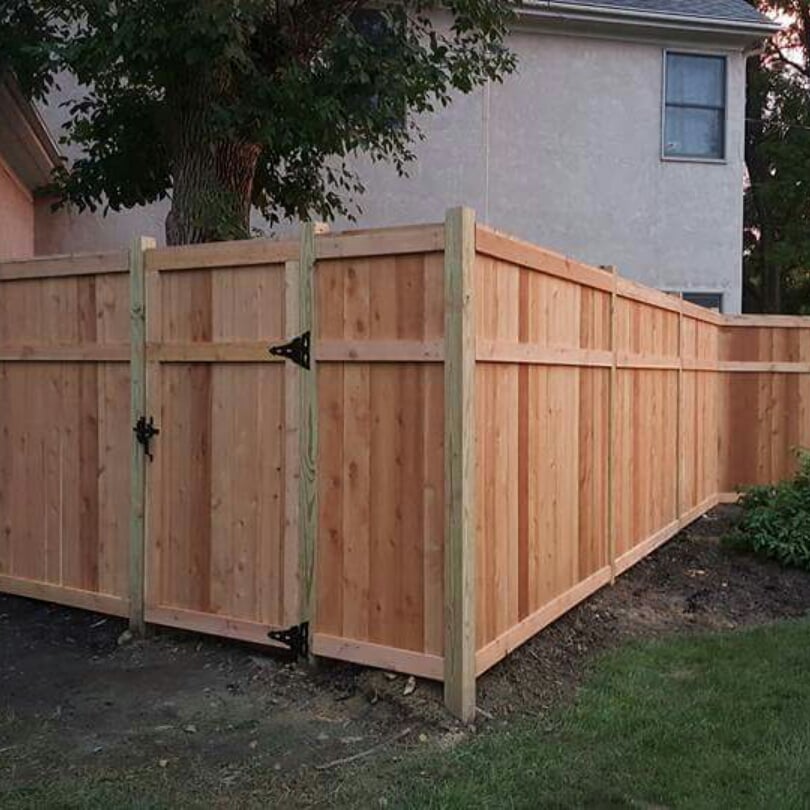
The work was completed in a day and a half. They cut small trees, pulled out an old swing set, pulled out railroad ties and left the place spotless when the job was complete. I am very happy with the fence and their efforts were above and beyond my expectations.
 Elite Fence
From average costs to expert advice, get all the answers you need to get your job done.
Get expert insights on wrought iron railing repair cost, including average prices, key cost factors, and tips to save on your next project.
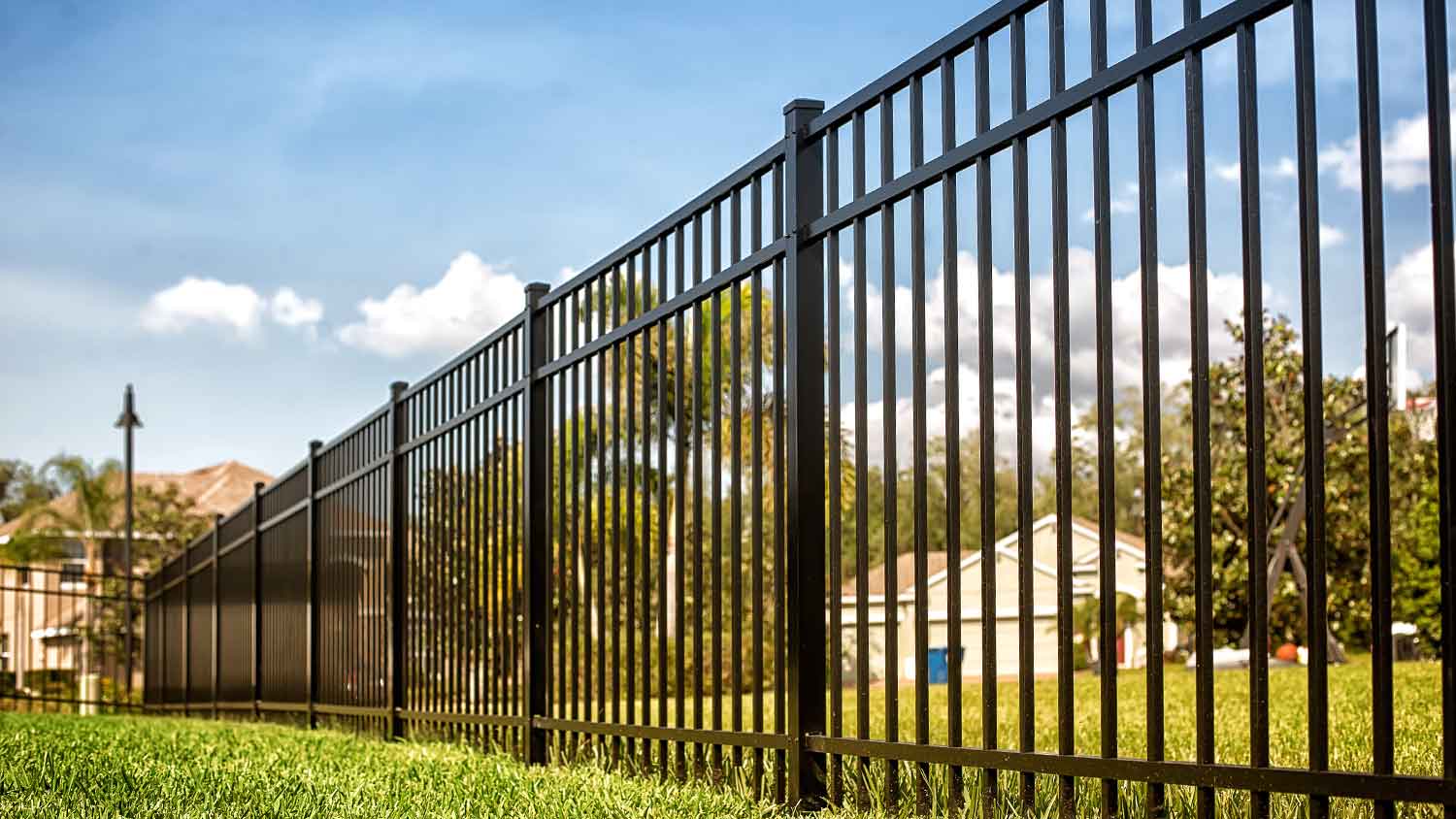
Metal fencing costs on the higher end to install, but when done correctly, it can last decades. Learn about which factors can influence your final budget.
Discover how much a wrought iron railing costs. Get detailed price breakdowns, installation factors, and tips to save on your new railing project.

Unsure who to hire to install a wrought iron fence? Compare fence contractors and ornamental iron pros, see how installation works, and choose confidently.

Learn how to hire a wrought iron fence installer with confidence. Find qualified pros, ask the right questions, and get expert tips for your project.