"Not only great prices, but the service was great, fast, and extremely professional. No pun intended. Kevin, my installer, was super nice and he had to come back because I setup the fence over my property line, and he did a wonderful, fast job then, too. I have already recommended Xtreme Fence to everyone who asks about mine. Thank you."
We pride our company on reliability, great communication, integrity, and quality work. We are experts in our trade and will do our best to keep you as educated as we can on your particular task or project. We look forward to earning your business!
We are a locally owned and operated company that values honesty and integrity and treats your home as if it were our own. We offer a variety of welding services that are customizable to each individual project. You will find us to be competitively priced, paying close attention to the details of each and every project that we are involved with. We look forward to building lasting relationships and guarantee your satisfaction!
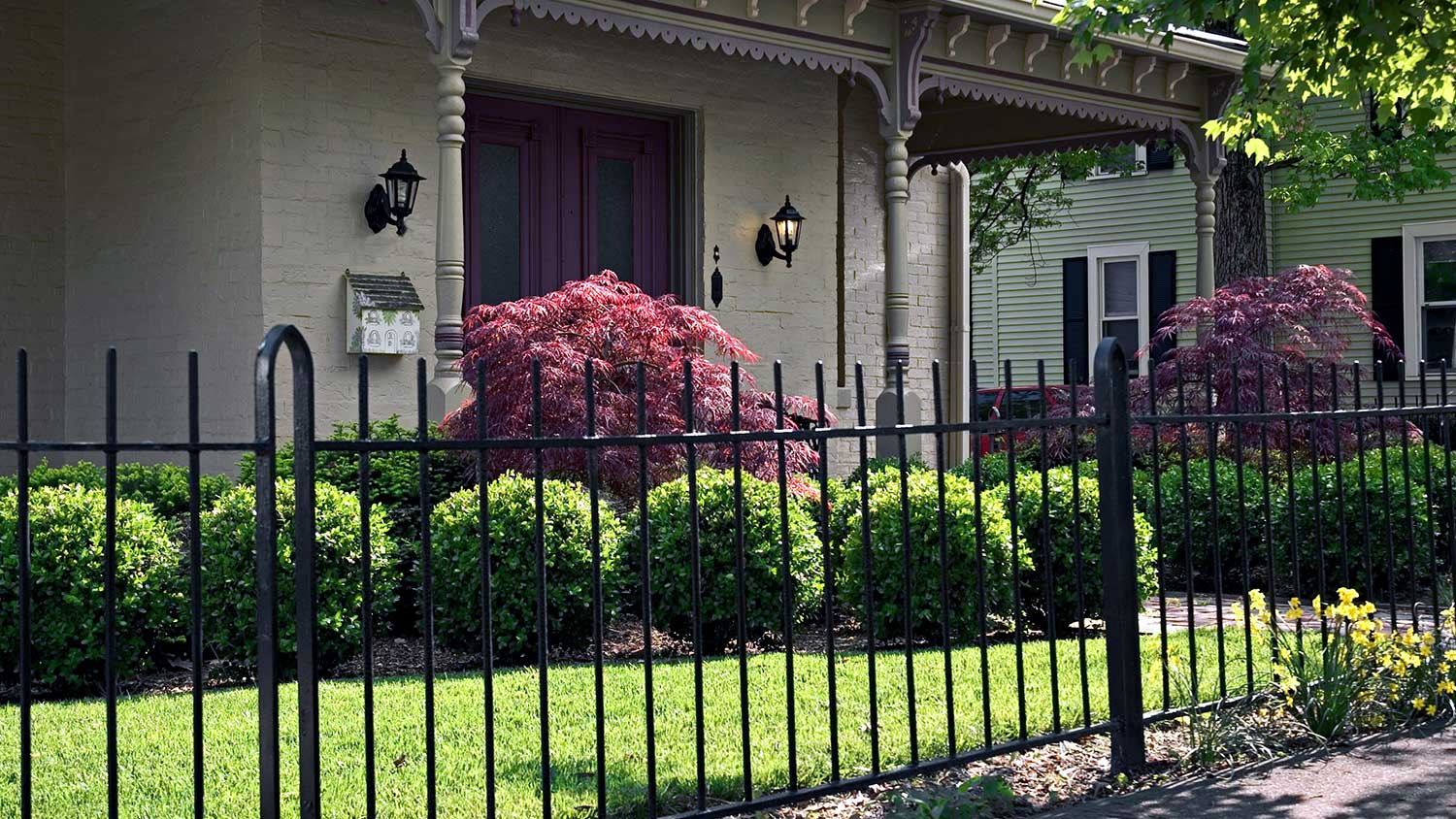
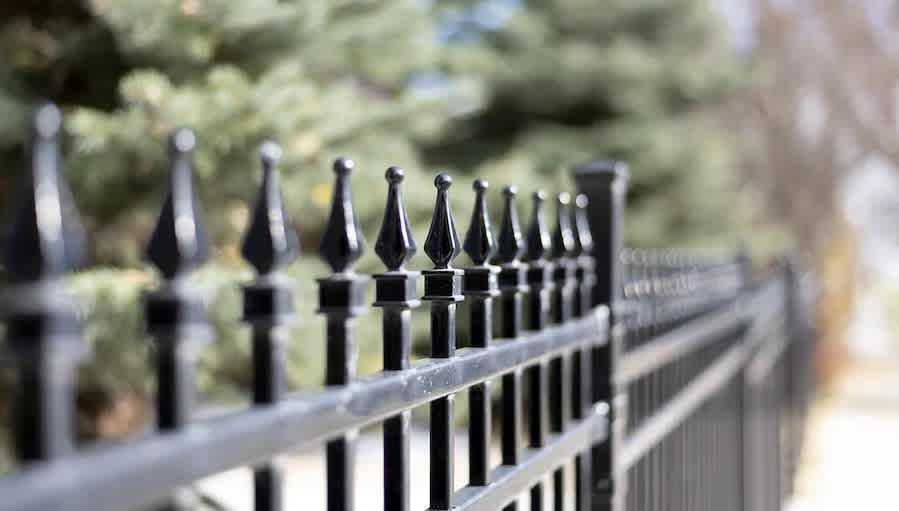
Pickets should sit at least 2 inches off the ground to encourage groundwater to flow underneath. Pickets can sit as much as 6 inches off the ground, but setting it any higher could let pets in or out of your yard unintentionally. These are not to be confused with the fence posts anchored underground with soil or concrete footing.
Fence pickets typically face out (away from your home or the garden that you're enclosing). Both the rails and pickets sit on the outside of a fence so that anyone passing by can see the finished side. Not only does the look increase your curb appeal, but it's also the neighborly thing to do when placing a barrier between two properties, even when you're installing a privacy fence.
In most cases, wrought iron fencing will cause your property value to increase. Most types of fence—but especially high-quality wrought iron fences—make your home more secure and deter burglars, which adds to property value. Fences can also help keep children and pets safe, which most homebuyers will appreciate. Wrought iron fences are also highly decorative, and while they don’t provide much privacy, they do add to your home’s curb appeal, which often leads to higher home value.
The most durable metal for a fence is wrought iron. With proper care, a wrought iron fence can last for centuries. This means regular resealing to stave off rust and corrosion, especially in coastal climates with salty sea air. In these environments, chain link and corrugated fencing tend to stand up better to the elements with fewer maintenance needs.
A living snow fence acts much like a man made snow fence, but is a windbreak of trees, shrubs, and native grasses. It acts much like any snow fence as it controls how snow drifts and blows into specific areas. The plants that make up a living snow fence are often seen along ditches, roads, farms and communities.
The Lemmon, SD homeowners’ guide to wrought iron services
From average costs to expert advice, get all the answers you need to get your job done.
Unsure who to hire to install a wrought iron fence? Compare fence contractors and ornamental iron pros, see how installation works, and choose confidently.