Hotshot Mobile Welding is committed to excellence in every aspect of our business. We uphold a standard of integrity bound by fairness, honesty, and personal responsibility. Our distinction is the quality of service we bring to our customers. Accurate knowledge of our trade combined with ability is what makes us true professionals. Above all, we are watchful of our customers' interests, and make their concerns the basis of our business.\n
We have 12+ years experience on our staff. We guaranty all of our work to the finest quality. There is no job to big or to small that we cant handle in a very timely manner.
No, fence posts aren’t always set in concrete. If you don’t want to use concrete footings for your posts, expanding foam is a popular alternative. Expanding foam and concrete each have certain pros and cons. For instance, foam is easier to install and more sustainable, but concrete is sturdier and less expensive.
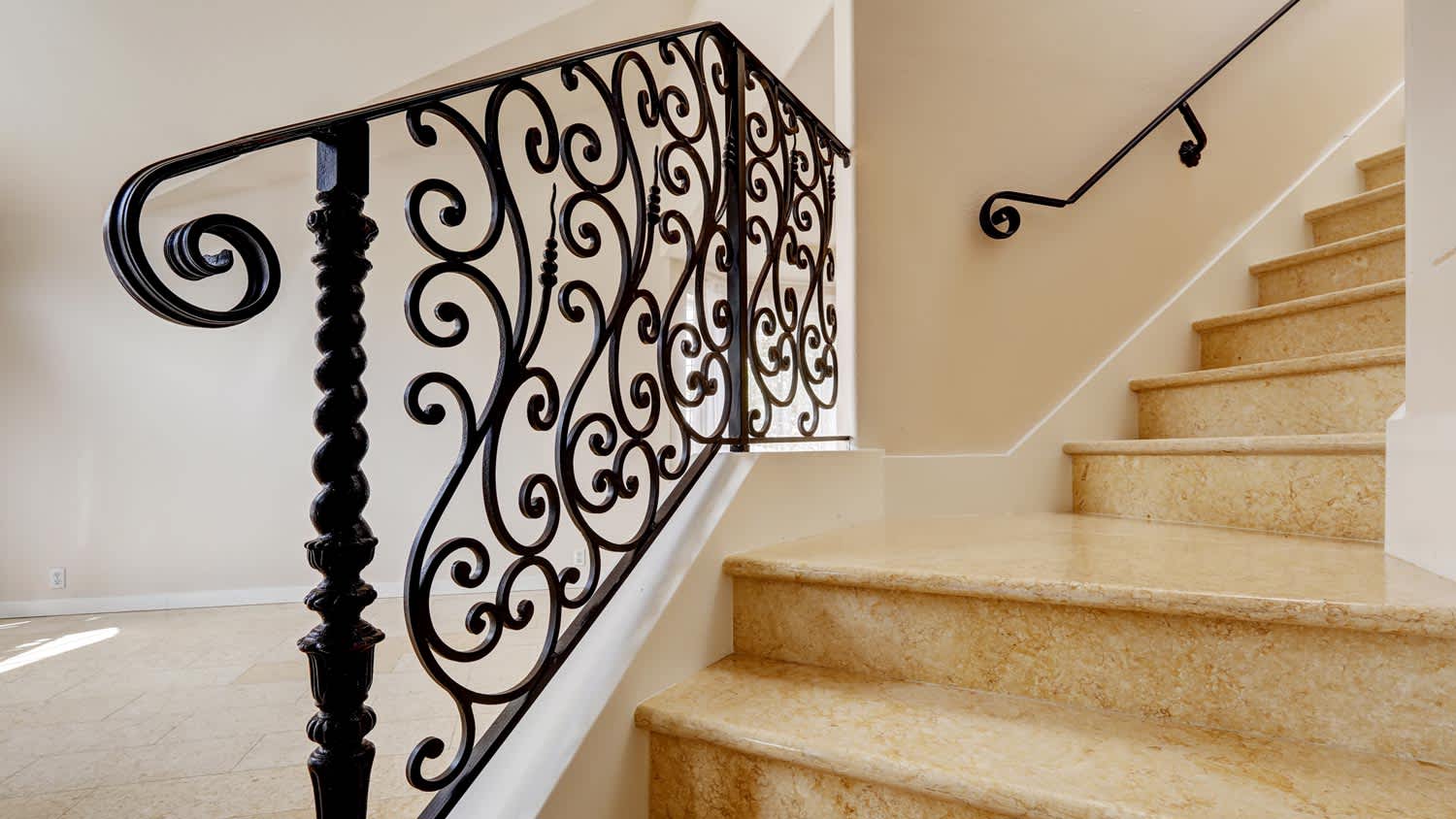
Pictures of the area where you want your handrail installed should help get an accurate estimate. You should also let your professional know how accessible the installation location is, and whether or not there is a pre-existing railing to remove. Also, before contacting the pro, take some time to decide what type of wrought iron you are leaning toward.
Finally, have the overall length of your railing at the ready, so you can discuss prefabricated options versus custom-made options.
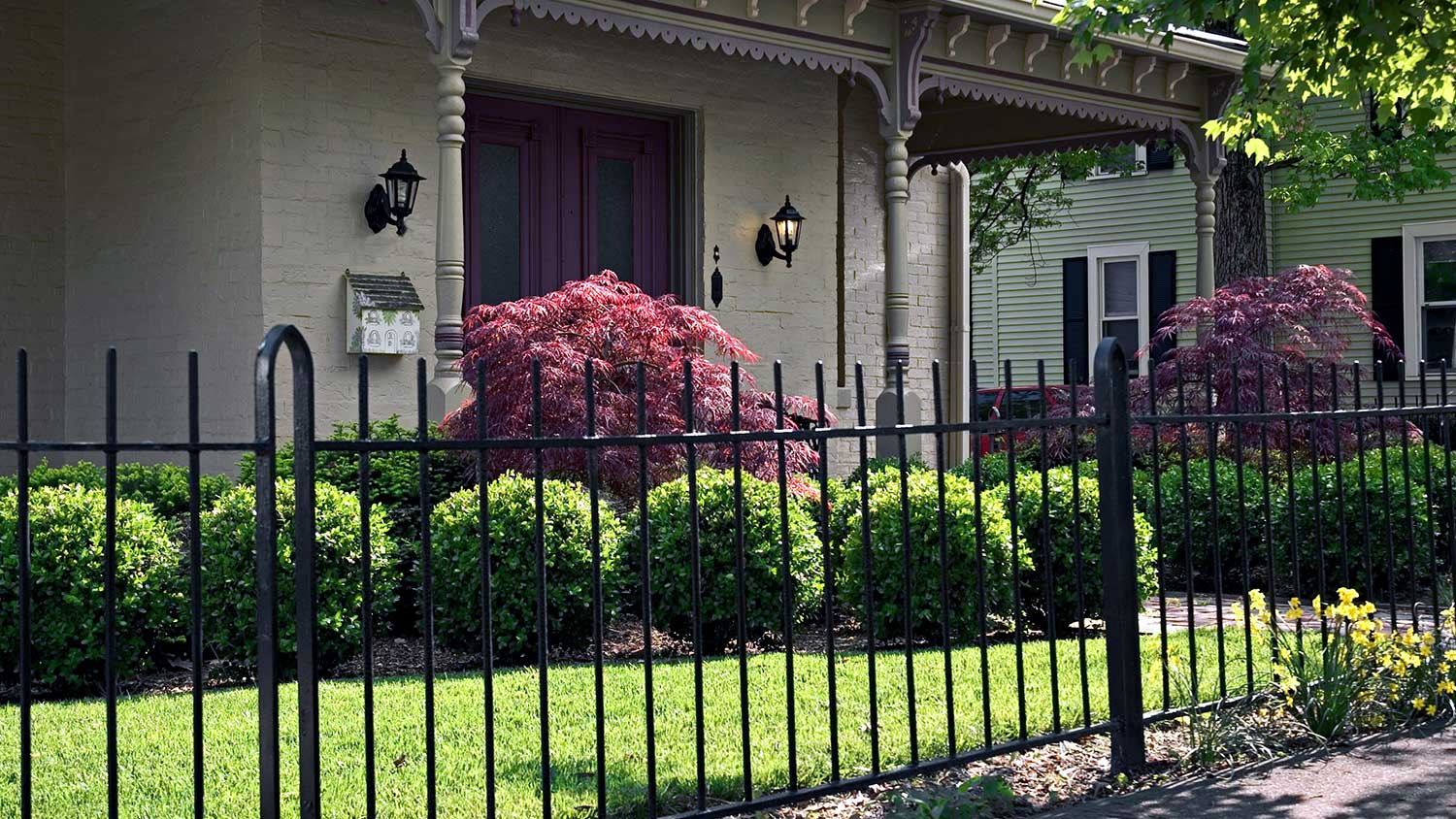
Fence pickets typically face out (away from your home or the garden that you're enclosing). Both the rails and pickets sit on the outside of a fence so that anyone passing by can see the finished side. Not only does the look increase your curb appeal, but it's also the neighborly thing to do when placing a barrier between two properties, even when you're installing a privacy fence.
Installing a fence when the ground is frozen presents challenges, but it's possible with the right approach. First, mark and measure the fence line accurately. Use a power auger or manual post-hole digger to create holes in the frozen ground, ideally when it's less rigid during warmer parts of the day. Consider using pre-made fence post anchors or driving metal posts into the ground. Ensure posts are secure with concrete for stability. Allow extra time for the concrete to cure. Additionally, be cautious of frost heave, which may affect post-alignment. Installing in milder winter conditions is often more manageable.
Proper installation can make a big difference in your fence's maintenance needs. For example, wood fences that aren't installed correctly can be more likely to rot. While it's possible to DIY a fence installation, hiring a local fence company can mean much less work for you in the long run.
A professional fence installer will make sure your fence is positioned correctly and installed in a way that ensures longevity and limited upkeep requirements.
The Mott, ND homeowners’ guide to wrought iron services
From average costs to expert advice, get all the answers you need to get your job done.
Unsure who to hire to install a wrought iron fence? Compare fence contractors and ornamental iron pros, see how installation works, and choose confidently.