"We called him and he came right over that evening, started the next morning. Was a big job but they completed, and cleaned up so you hardly knew they were there. Everyone working on this job was able to answer all my questions."
Ejector pumps can only push sewage 750 feet or less. That’s because their purpose is to move waste from your home to your sewer line—which is a relatively short distance. Grinder pumps can transport sewage further, but they manage lower volumes of waste than ejector pumps (and they don’t work with septic systems).
Check connections, clean fixtures, and apply finishing or protective coatings to preserve months' worth of shine and functionality.
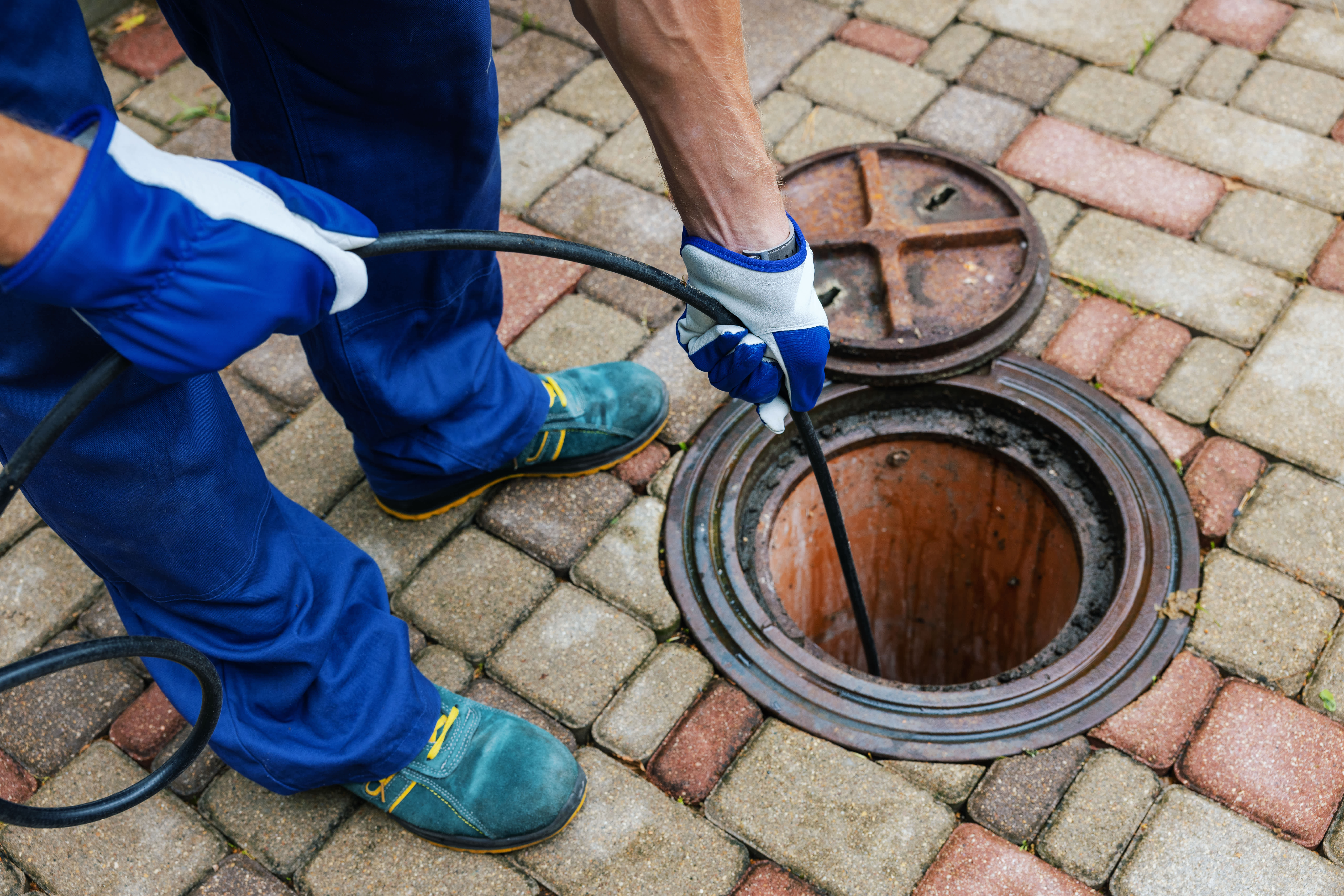
Snaking a drain can take as little as a few minutes for small, simple clogs, up to two hours or more for tough clogs located further down the drain line. For tougher clogs, a professional drain cleaner can likely get the job done much more quickly because they have the necessary tools and expertise. However, your drain cleaning pro might not be able to give you a firm time estimate until inspecting the clog and its surrounding plumbing.
If you want to avoid using a snake to unclog a drain, or if you don’t have one, try vinegar and baking soda. Pour 1 cup of baking soda down the drain, followed by 1 cup of white vinegar. Wait for 15 minutes, and then run hot water (but not boiling water) down the drain to see if the clog is clear. Repeat multiple times as needed.
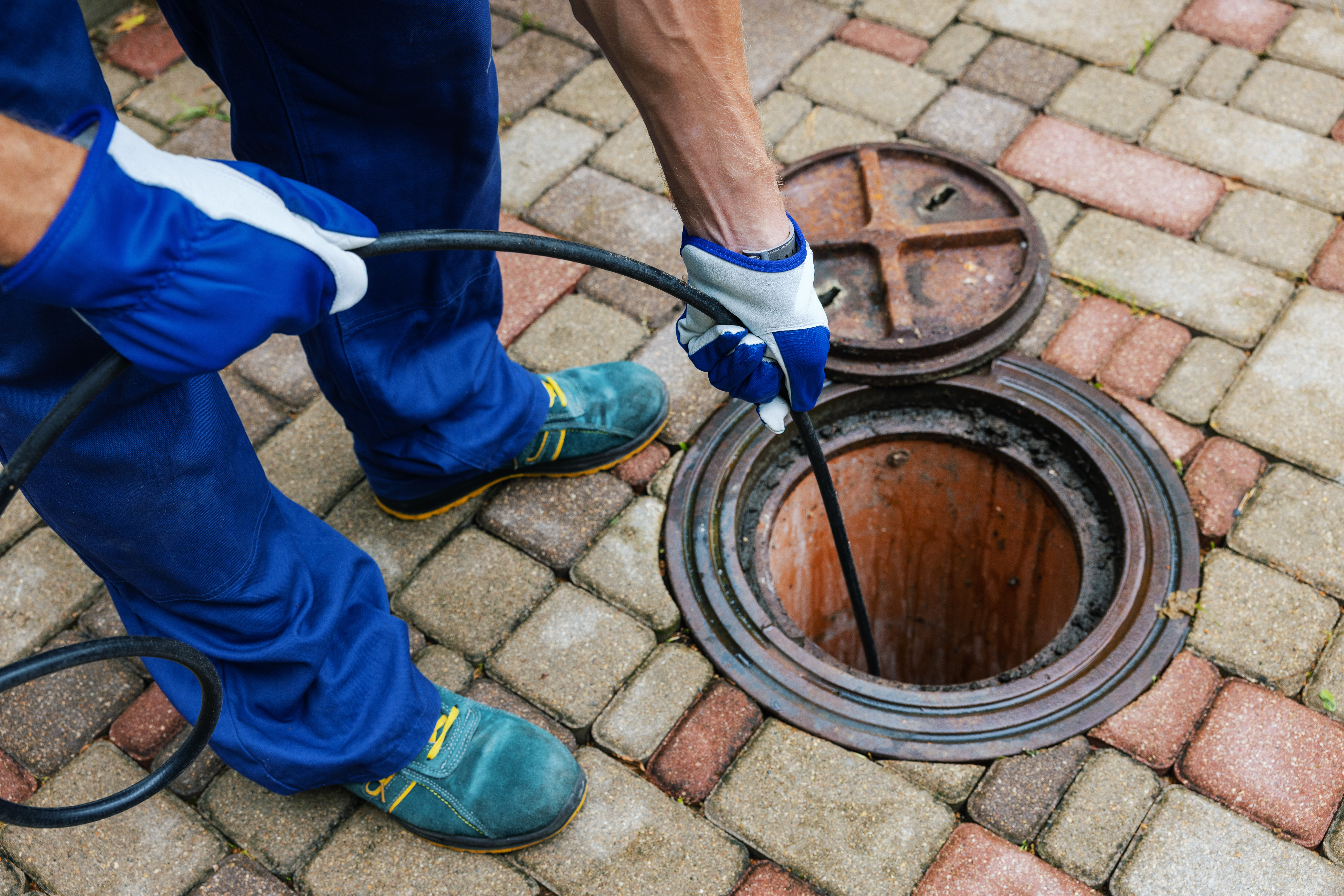
A sewer line should be cleaned at least once every 18 to 22 months. The process takes about 30 minutes or up to 5 hours, depending on the size of the line, how easy it is to access, and how long it’s been since the previous cleaning. If your sewer line hasn’t been cleaned in a couple of years or you don’t even know the last time it’s been cleaned, it’s time to call a pro.
The Edgeley, ND homeowners’ guide to sewer cleaning services
From average costs to expert advice, get all the answers you need to get your job done.
A clogged main sewer line can lead to gas or wastewater leaks. Find out what main sewer line clog repair costs by type of service, clog severity, and more.
The best way to keep your sewer line running smoothly is with some regular maintenance. But don’t worry—it doesn’t take much effort. Read on to learn how.