

Top-rated sewer cleaners.

Best sewer cleaners near Jamestown, ND

Enter your zip and get matched with up to 5 pros

Need a pro for your sewer cleaning project in Jamestown, ND?

Select your specific project to find the pro for you.

Top-Rated Sewer cleaners in Jamestown - Updated Nov 2026

Sewer Cleaning FAQs, answered by experts

Yes, sewage smells can originate from a floor drain. If the P-Trap in the floor drain dries out or if there's a clog or other issue in the plumbing system, sewer gasses can escape through the drain, causing nasty odors. Regularly pouring water into the drain helps maintain the water seal and prevent those smells, but if the smell persists, you should have a plumbing professional inspect the drain for potential problems.

There are many things that could cause your basement floor drain to back up. One significant cause of a drainage backup is flushing non-flushable items, such as wipes, paper towels, and facial tissue. Other causes of a backed-up basement floor drain include tree roots impeding the drain pipe or an accumulation of hair, oil, and grease. 

You could be smelling sewer gas in your kitchen because of a dry P-trap, clogged vent pipe, or leaking plumbing seals. If you smell a rotten egg odor, check your sink’s P-trap and plumbing connections first. A clogged or damaged vent pipe can trap sewer gas and push it back into your kitchen through the plumbing pipes. Loose or deteriorated seals around drainpipes can also allow sewer gas to leak out. If you can’t find the source, call a local plumber for expert help.

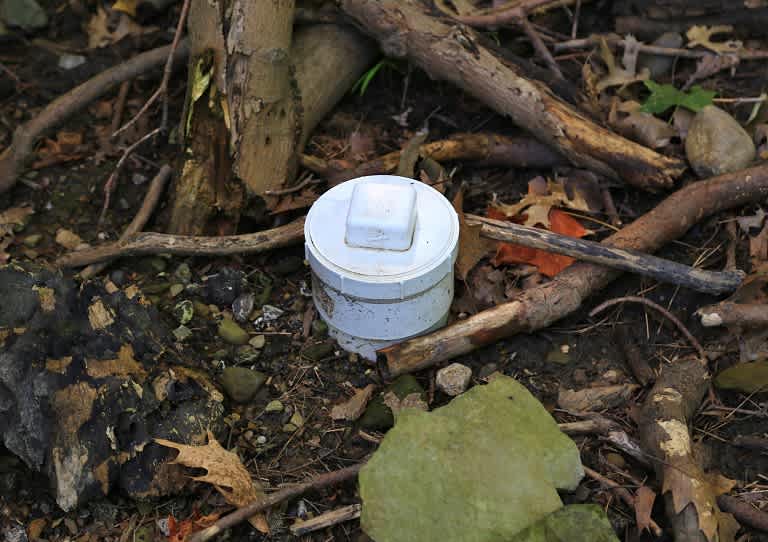
A sewer cleanout typically looks like a white or gray PVC pipe with a removable cap. It's often located either in your yard or basement, depending on your home's plumbing configuration. The cleanout pipe is designed to provide easy access to your sewer system for maintenance and inspections. It may be flush with the ground or slightly elevated, making it distinguishable from other pipes. When you remove the cap, you can access the sewer line directly or determine its direction, which can be helpful when you need to locate your sewer line from your house to the street.

As a preventative measure, hydro jetting should be done every one to two years. However, the best practice is to hydro jet your sewer line once per year. The ideal frequency depends on several factors, including the age and condition of your pipes, how prone they are to clogging, how often the sewer line is used, and the type of waste disposed of in the system. If you frequently experience clogs or are unsure, it's best to ask a licensed plumber for a recommendation specific to your plumbing system.

The Jamestown, ND homeowners’ guide to sewer cleaning services

From average costs to expert advice, get all the answers you need to get your job done.