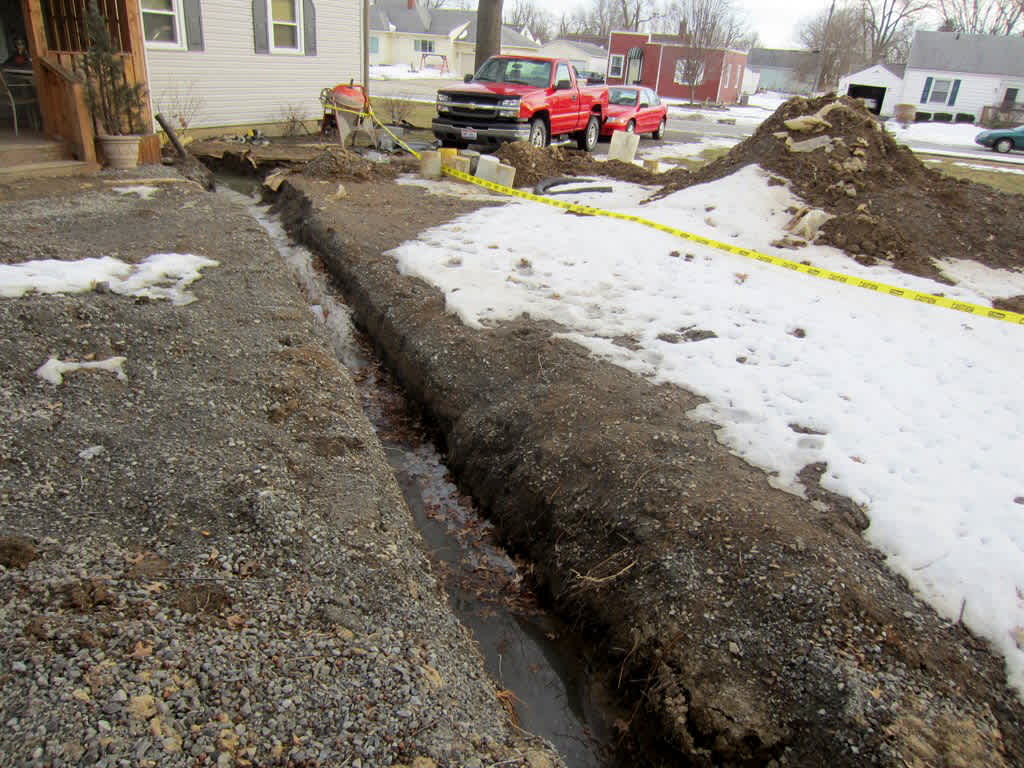
"We called him and he came right over that evening, started the next morning. Was a big job but they completed, and cleaned up so you hardly knew they were there. Everyone working on this job was able to answer all my questions."
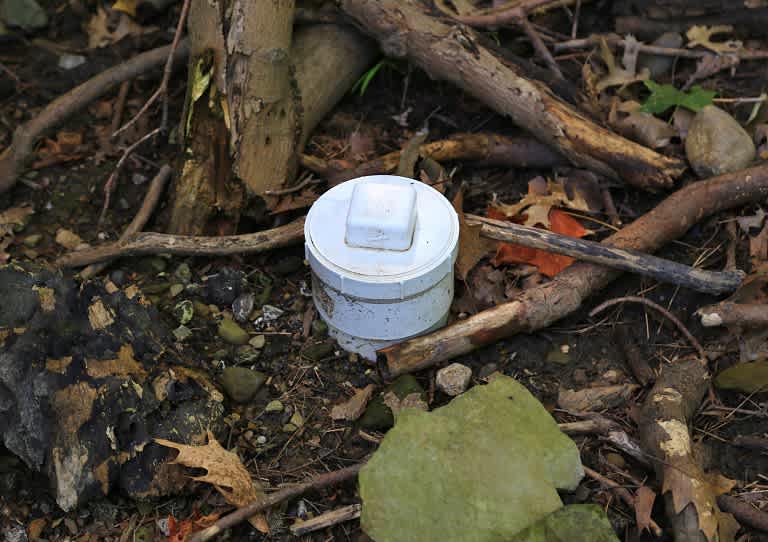
One way to save money on sewer lines is to install a sewer cleanout since it makes sewer line maintenance easier. Keeping up with maintenance is key to reducing the cost of repairs, so be sure to schedule annual plumbing inspections, install drain guards to stop objects from accidentally falling down drains, and only flush human waste and toilet paper to protect your pipes.
A clogged sewer line is not typically covered by homeowner’s insurance, though some sewer line issues are covered. For instance, damage related to a fallen tree is usually covered. Though sewer line replacement is not covered in a standard insurance policy, some companies offer add-ons for this purpose. Read the fine print before spending your own money.
That pungent rotten egg smell coming from your drain is likely the buildup of biofilm—hair, skin, and soap scum that turns into a black sticky mess. In this case, pouring down near-boiling water, baking soda, and white vinegar will remove the smell. Keep in mind that a rotten egg smell is occasionally a sign of larger sewage line clogs and other related issues.
Most blockages can be cleared in 1-3 hours, but severe issues may take longer.
It is generally safe to stay in a house that smells like sewage for a short time, but you should get the problem fixed as soon as possible. While the level of sewer gas is usually low enough to only cause minor symptoms, prolonged inhalation can lead to headaches, nausea, or respiratory irritation. High levels of gas exposure can be more dangerous, and high concentrations of methane—a component of sewer gas—can pose an explosion risk in enclosed spaces. If you smell sewer gas in your home, ventilate the area and call a professional to locate, assess, and fix the problem, as it will not go away on its own.
The Cooperstown, ND homeowners’ guide to sewer cleaning services
From average costs to expert advice, get all the answers you need to get your job done.
A clogged main sewer line can lead to gas or wastewater leaks. Find out what main sewer line clog repair costs by type of service, clog severity, and more.
Don't fall victim to unnecessary plumbing service. Learn five ways to avoid becoming the victim of a fraudulent contractor's sewer or drain-cleaning scam.