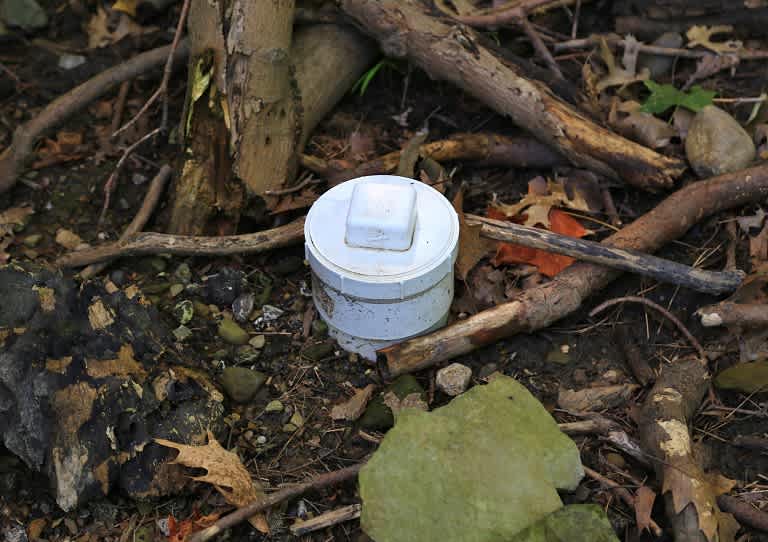
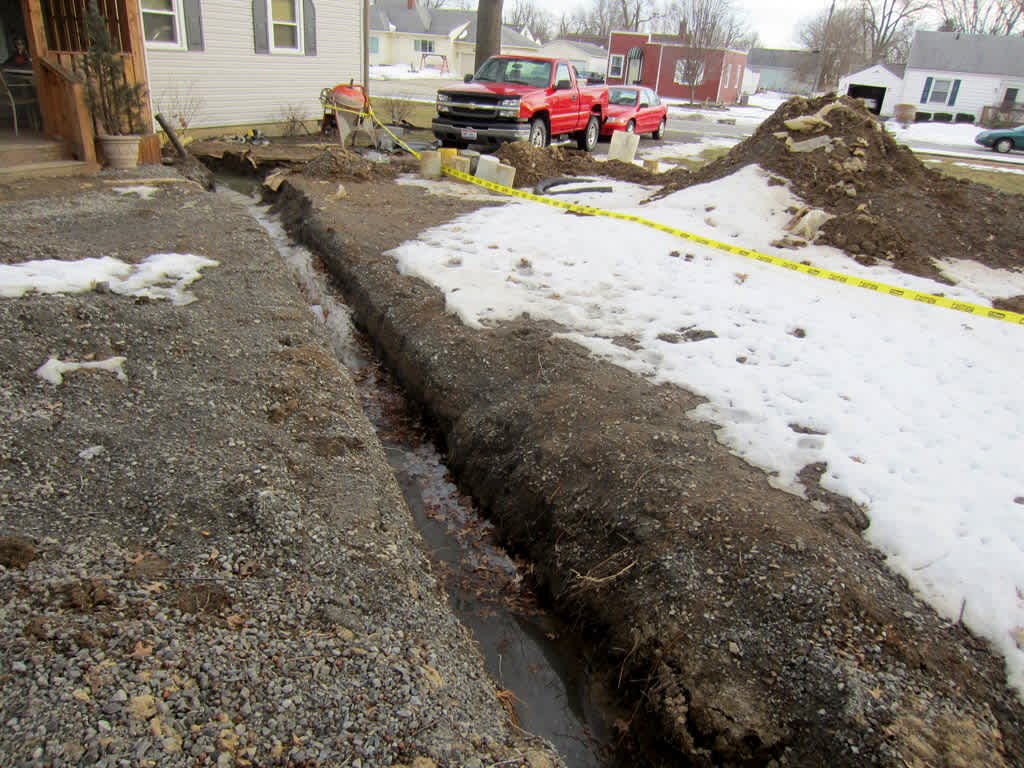
No, you typically cannot use metal detectors to find your sewer line. Most sewer lines are made of non-metallic materials such as PVC, clay, or cast iron, which are not detectable by standard metal detectors. Metal detectors are designed to locate metallic objects, so they won't be effective for identifying the path of a non-metallic sewer line. To locate your sewer line accurately, it's best to use other methods.
The cost to unclog a drain varies based on the location and severity of the clog. For simple clogs within your home, such as in a sink, toilet, or shower, hiring a plumber typically costs between $110 and $350, with an average of around $200. Snaking a toilet or sink usually costs between $110 and $275, while a bathtub or shower clog costs about $225.
For a more serious clog in the main sewer line, the cost is higher. Clearing a main line clog generally costs between $200 and $600, with an average of about $380. However, prices can range from as low as $100 for snaking a minor clog to over $1,600, particularly if advanced methods like video inspection and hydrojetting are needed for a large or hard-to-reach blockage. Some severe main line clogs can cost upwards of $1,000 to clear depending on factors like the cause of the clog, its distance from an accessible cleanout, and whether the pipe is located beneath an occupied space (e.g., in an apartment building). You may be able to save money on minor clogs by using a drain snake or bladder yourself.
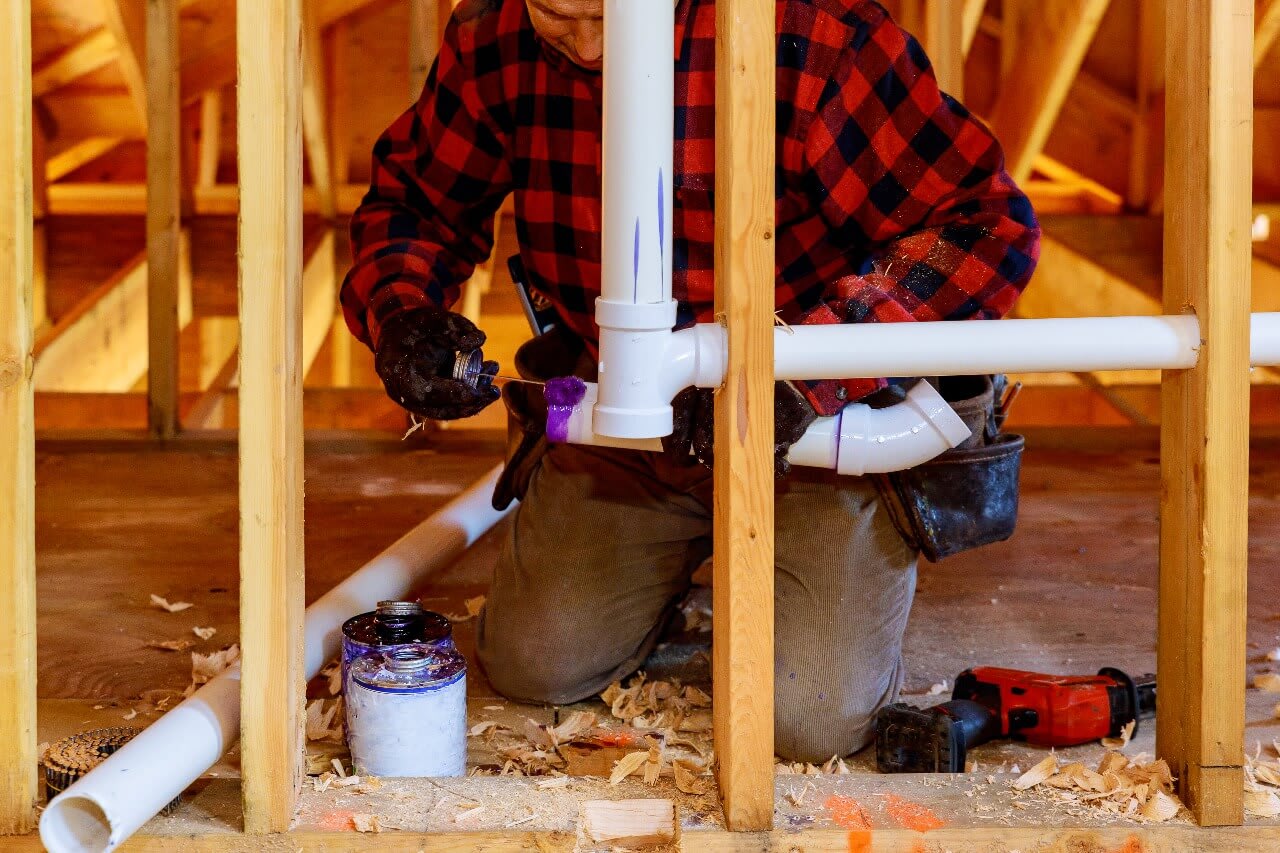
You should hire a sewer service professional to unclog a main sewer line with tree roots. Tree roots can grow into the main sewer line, and this problem requires a specialized hydro jet, or rooter, that is powerful enough to clear the roots. The tree can also damage the main sewer line, and a professional will need to make repairs or replace the damaged sections. Sewer line replacement costs about $60 to $250 per linear foot.
This depends on the location of the blockage. If the blockage is in your home’s system, anywhere in the system, it is your responsibility as a homeowner. Blockages seldom happen because of items or buildup coming from the city, which means it originates in the home. It becomes the city’s responsibility at the exact point your home’s line distributes waste into the city’s system. The exception is if the problem in your home damages the city lines.
You could be smelling sewer gas in your kitchen because of a dry P-trap, clogged vent pipe, or leaking plumbing seals. If you smell a rotten egg odor, check your sink’s P-trap and plumbing connections first. A clogged or damaged vent pipe can trap sewer gas and push it back into your kitchen through the plumbing pipes. Loose or deteriorated seals around drainpipes can also allow sewer gas to leak out. If you can’t find the source, call a local plumber for expert help.
The Wishek, ND homeowners’ guide to sewer cleaning services
From average costs to expert advice, get all the answers you need to get your job done.
A clogged main sewer line can lead to gas or wastewater leaks. Find out what main sewer line clog repair costs by type of service, clog severity, and more.
Don't fall victim to unnecessary plumbing service. Learn five ways to avoid becoming the victim of a fraudulent contractor's sewer or drain-cleaning scam.