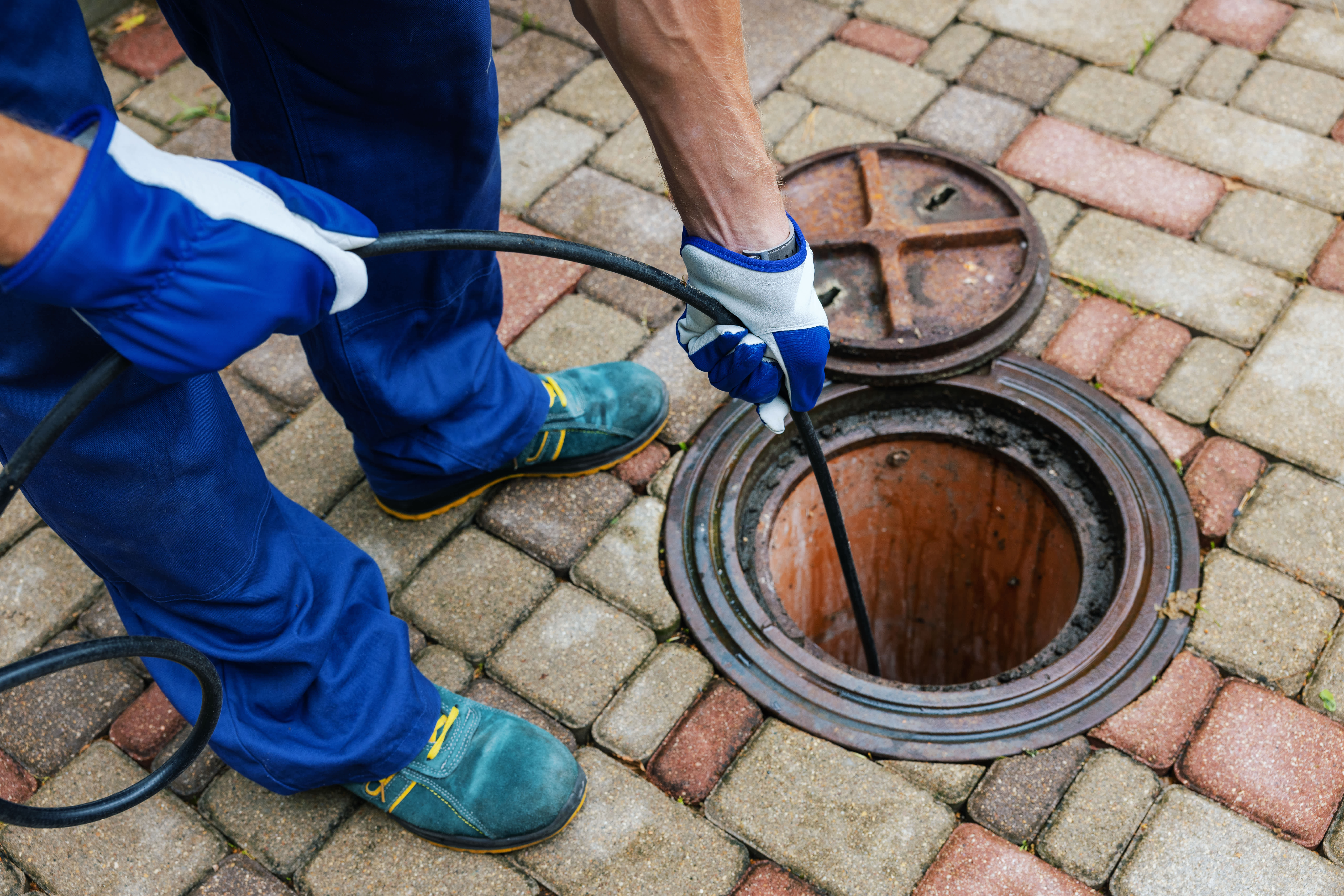
If you don’t have a sewer cleanout, clearing out clogs can be extremely difficult. You would need to try to clear the clog from sink drains, but it can be harder to reach the clog all the way in the drain line. A sewer cleanout makes it much faster and easier for pros to clear clogs from your main sewer line.
Sometimes, the drain is just too clogged—thanks, stubborn hair and soap scum. In this case, you’ll need a more powerful drain cleaner than you can DIY safely at home. But this doesn’t mean you have to choose a traditional drain cleaner.
You can find biodegradable drain cleaners at your local home improvement store or online for those drains that need a little more oomph.
While on the hunt for a formidable drain cleaner, the best options are non-chemical clog solutions that combine enzymes and bacteria.
The best drain cleaners are biodegradable ones or a mixture of baking soda and vinegar. Strong, caustic chemicals may seem appealing with promises of unclogging your drain quickly, but liquid drain cleaners can cause damage to your pipes over time. Consider making your own drain cleaner with baking soda and vinegar.
Most commercial liquid drain cleaners work in 15 to 30 minutes. Consult the label on the bottle for additional instructions or time suggestions to prevent damage to your drainpipes. Alternative solutions such as baking soda, salt, white vinegar, and/or boiling water can take longer since they are less harsh than liquid drain cleaners.
You should hire a sewer service professional to unclog a main sewer line with tree roots. Tree roots can grow into the main sewer line, and this problem requires a specialized hydro jet, or rooter, that is powerful enough to clear the roots. The tree can also damage the main sewer line, and a professional will need to make repairs or replace the damaged sections. Sewer line replacement costs about $60 to $250 per linear foot.
The Ashley, ND homeowners’ guide to sewer cleaning services
From average costs to expert advice, get all the answers you need to get your job done.
A clogged main sewer line can lead to gas or wastewater leaks. Find out what main sewer line clog repair costs by type of service, clog severity, and more.
The best way to keep your sewer line running smoothly is with some regular maintenance. But don’t worry—it doesn’t take much effort. Read on to learn how.