"The technician emptied the freezer, which was in the basement, to work on the part that needed repair. Then he neglected to put anything back into the freezer, including a turkey I had bought for Christmas and a rack of ribs. Two days after he left, I went out of town for two weeks. The turkey actually exploded and spewed its liquid all over everything, which had to be discarded. I let AHS know and they couldn't even bother to call me or follow up on this. I'm considering not renewing my contract with them because of the quality (or lack thereof) of many of the providers they send."
With over 40 years of experience in the Excavation industry, Helm Excavating INC is your industry expert in Bismarck and the surrounding areas. We pride ourselves on our extreme professionalism and attention to detail. Our customer satisfaction guarantee will assure you we will not leave your property until you are completely satisfied with our work. As a family owned and operated business you can trust that we will treat your home as we would treat our own. Give us a call today we look forward to working with you!
Here at W. Simpson Plumbing Services, LLC, we are a full service plumbing company for both residential and commercial. We are local, family owned and operated, and have a strong focus on customer service. We are fully licensed and ready to take on as much work as possible. Call us today for your free estimate. We look forward to meeting your home's needs.
The depth of your septic tank has nothing to do with its size. In fact, some septic tanks can even be installed above-ground! Like other sizes, a 1,000-gallon septic tank could be buried as shallow as 4 inches below the ground or as deep as 4 feet. It all depends on your specific property.
Perc rates vary dramatically, and a good perc rate could be anything from 5 minutes per inch of drainage to 60 minutes per inch. The lower the number, the faster your system will drain and the more effective it will be. A 60-minute-per-inch drain rate is the highest number considered to be good, or even allowable, draining.
A septic system's lifespan typically ranges from 15 to 40 years, with a common average of 20 to 30 years. The longevity heavily depends on the tank's material, maintenance diligence, and usage habits. With proper care, lifespans can reach the upper end of this range.
Lifespan by Tank Material:
Concrete: 20 to 40 years
Plastic or Fiberglass: 30 to 40 years
Steel: 15 to 20 years
To maximize your system's lifespan, follow these maintenance best practices:
Regular Pumping and Inspections: Have the tank pumped every three to five years and schedule professional inspections regularly.
Mindful Usage: Only flush human waste and toilet paper. Avoid putting items like cat litter, paper towels, cigarette butts, fats, grease, oils, or coffee grounds down your drains.
Avoid Chemicals: Do not pour harsh chemicals into the system.
Water Conservation: Reduce the amount of wastewater your system has to process.
Protect the Drain Field: Avoid driving or building heavy structures over the drain field area.
Ensuring you have adequate space for your engineered septic system is crucial. You’ll need to reserve approximately 900 square feet for a three-bedroom home’s system. However, the type of soil you have, soil absorption rate, the size of your home, climate, and local zoning code will impact the actual amount of space you need.
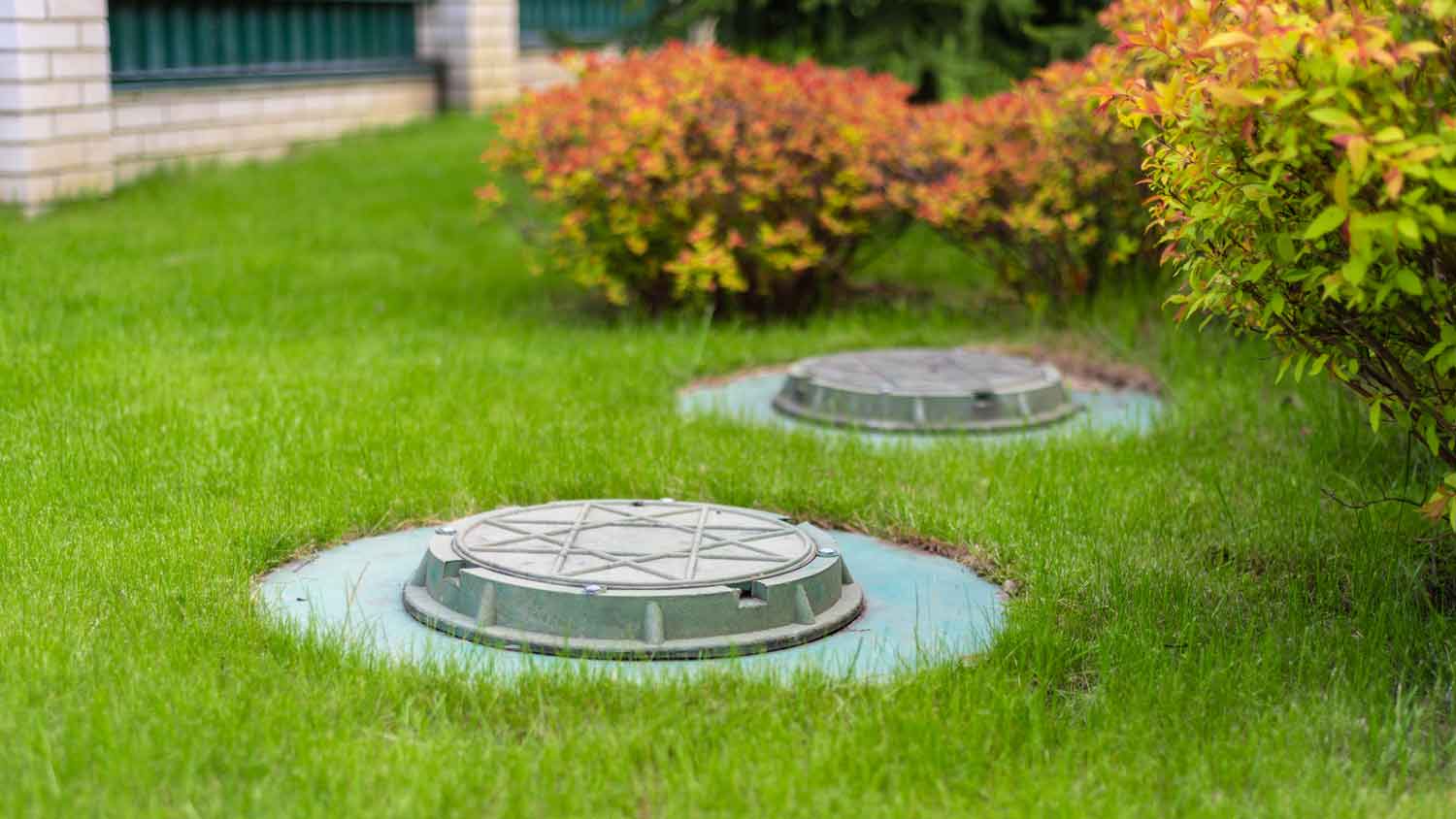
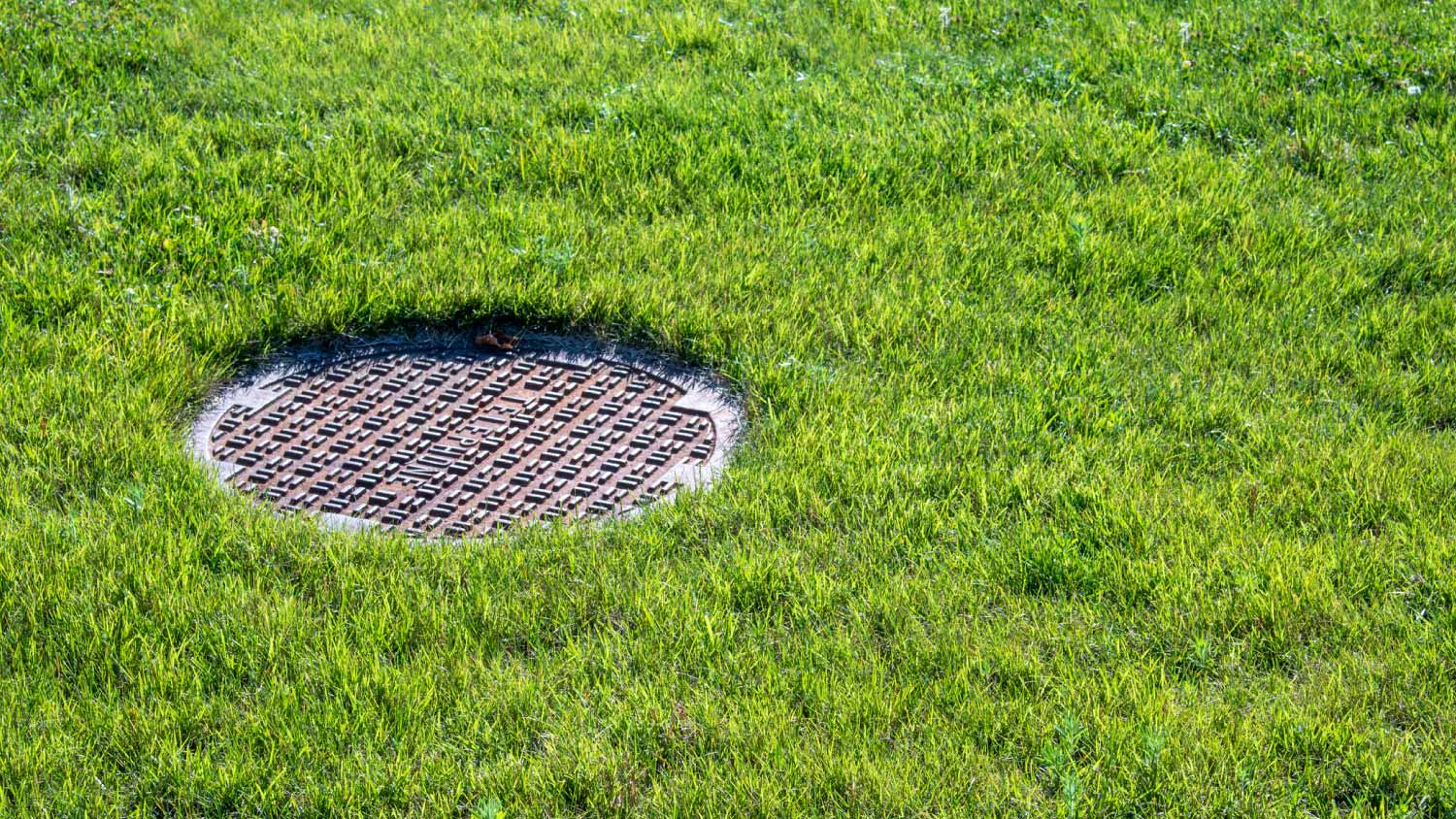
You can check your own septic tank, but take precautions. Locate the access lid, usually buried a few inches underground, and remove it carefully. Look for the sludge and scum levels, and if they’re high, that means pumping may be necessary. Check for odors, slow drains, or pooling water around the drain field, which could indicate issues. Never enter the tank, as toxic gases can be fatal. All of that being said, a professional inspection is safer and more thorough.
The Ashley, ND homeowners’ guide to septic tank services
From average costs to expert advice, get all the answers you need to get your job done.
It’s crucial to install a septic tank with the right volume to avoid wastewater backups. This guide will help you calculate the right septic tank volume.
Septic tank sizes vary depending on the size of your home, how many people live there, how much water you use, and more. Read on to learn how to determine the right size for you.