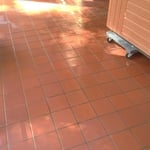
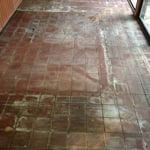
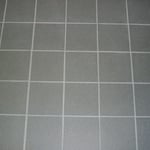
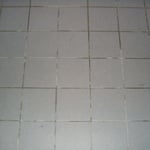
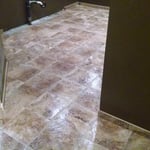
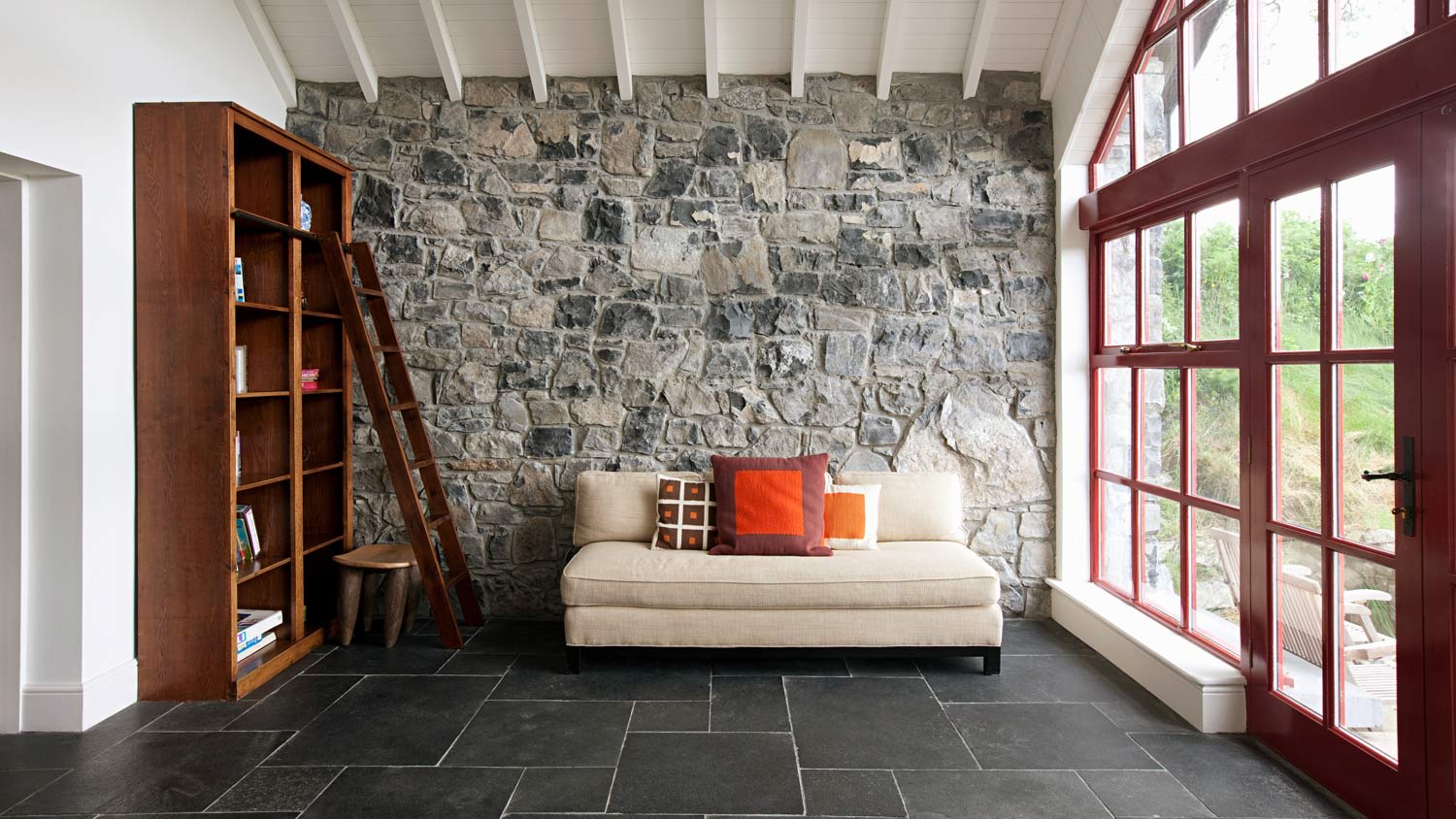
"Jeremy and Matt were very professional, punctual and friendly. They stripped and sealed our 100 year old black slate kitchen floor back to a beautiful shine. They did an awesome job. Thank you!"
"Very conscientious and personable. He doesn't charge you by the hour so you get good value for your money. He is an excellent installer and I give him a 5 star rating."
701 Tile Setters specializes in any and all tile work. We handle both residential and commercial, working with both stone and granite. We look forward to earning your business!
At Shaina Rutherford Flooring & Design, we are your premier choice for all your tile work. We have provided high quality work and friendly customer service with several years experience. Call today!
The frequency for sealing granite countertops depends on several factors, including the type of sealant used, the color of the granite, and how heavily the countertops are used. As a general guideline, resealing is often recommended every 12 to 18 months, but some sources suggest it could be as often as every few months or at least once a year.
The type of sealant is a major factor: water-based sealants may need reapplication every six months to a year, while more durable solvent-based sealants can last for five to 10 years. Additionally, factors like heavy kitchen traffic, frequent use of acidic cleaners, and lighter granite colors may require more frequent sealing to prevent staining.
To determine if your countertops need resealing, you can perform a simple water test. Place a few drops of water or a wet paper towel on an inconspicuous area of the granite. After 10 to 15 minutes, check the spot. If the water has beaded up, the seal is still intact. If the water has been absorbed and darkened the stone, it's time to apply a new coat of sealant. You can choose to seal the granite yourself or hire a professional to ensure it's done correctly.
Baking soda can damage some countertops, but it makes an excellent mild abrasive for removing stains on other countertops. For example, never use baking soda on quartz or glass countertops, but you can use it on laminate and tile. Stay away from using it on quartz because it can scratch and damage the counter, and glass is prone to scratches. Since baking soda is a mild abrasive, you can only use it on certain surfaces.
Rock salt and ice melts contain sodium chloride, aka salt, and are corrosive to metal and concrete. If used frequently over time, it can cause corrosion, discoloration, chipping, and cracking to patios, walkways, and driveways. You can try a rock salt alternative or hire a professional snow removal company instead.
Yes, you can repair a stone countertop yourself for minor issues like small chips or scratches, and DIY repair kits are available for this purpose. However, for larger problems such as major cracks or significant stains, DIY repairs may not be effective. In these cases, professional services are recommended to ensure a seamless finish, prevent further damage, and use the proper materials and techniques for a full restoration.
No, you should not put a hot pan or pot directly on a quartz countertop. While quartz is generally heat-resistant, the resin binders used in its manufacturing are sensitive to extreme heat from items exceeding 150 degrees Fahrenheit. This can damage the resin, leading to discoloration, burns, or even cracking. To prevent permanent damage, always use trivets or hot pads for hot cookware.
The Edgeley, ND homeowners’ guide to marble restoration services
From average costs to expert advice, get all the answers you need to get your job done.
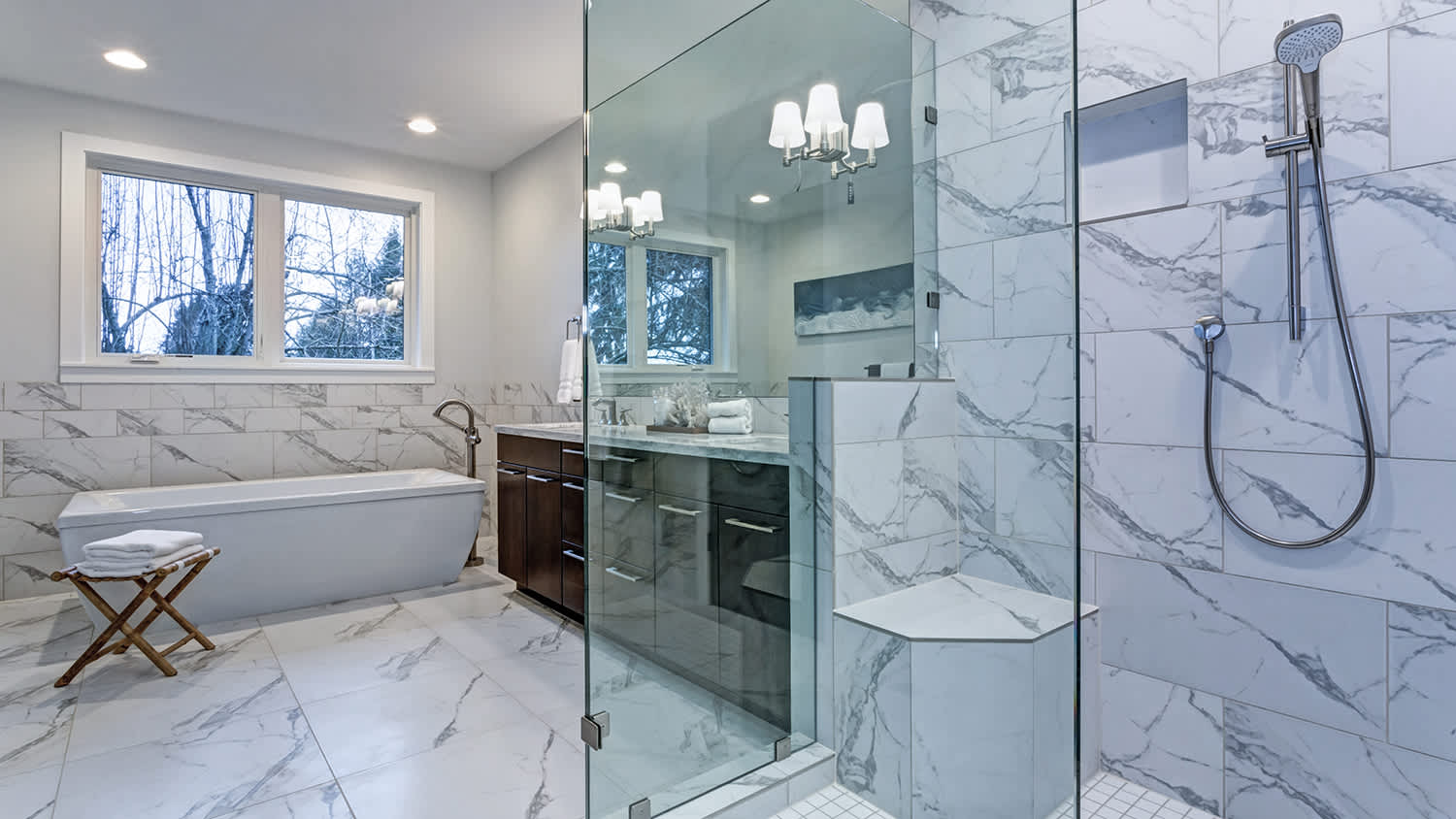
Thinking about marble restoration? Learn about polishing options, average costs to expect, and how to hire the right local pro to renew your stone surfaces.