We have 16+ years of experience on our staff. I back company produced warranties. There is no job to big or to small that we cant handle in a very timely manner.
TileBuys is a well established business in Sioux Falls and surrounding area, offering the finest in craftsmanship and quality. When it comes to professionalism and customer service, we are unmatched! For the best of the best call TileBuys for all your flooring needs!
Family owned and operated since 1973. We are dedicated to providing our clients with the very best in quality for all of your flooring installation needs. We'll help you select the most fitting and beautiful home interiors - from a wide variety of flooring options! Our distinctive service includes professional measuring, experienced installation and stylish design, all provided with a local flair since we're independently owned and operated. We're known for our quality work and the integrity of our business. We look forward to building long-term relationships with our clients, and guarantee your satisfaction.
\n
We pride our company on reliability, great communication, integrity, and quality work. We are experts in our trade and will do our best to keep you as educated as we can on your particular task or project. We look forward to earning your business!
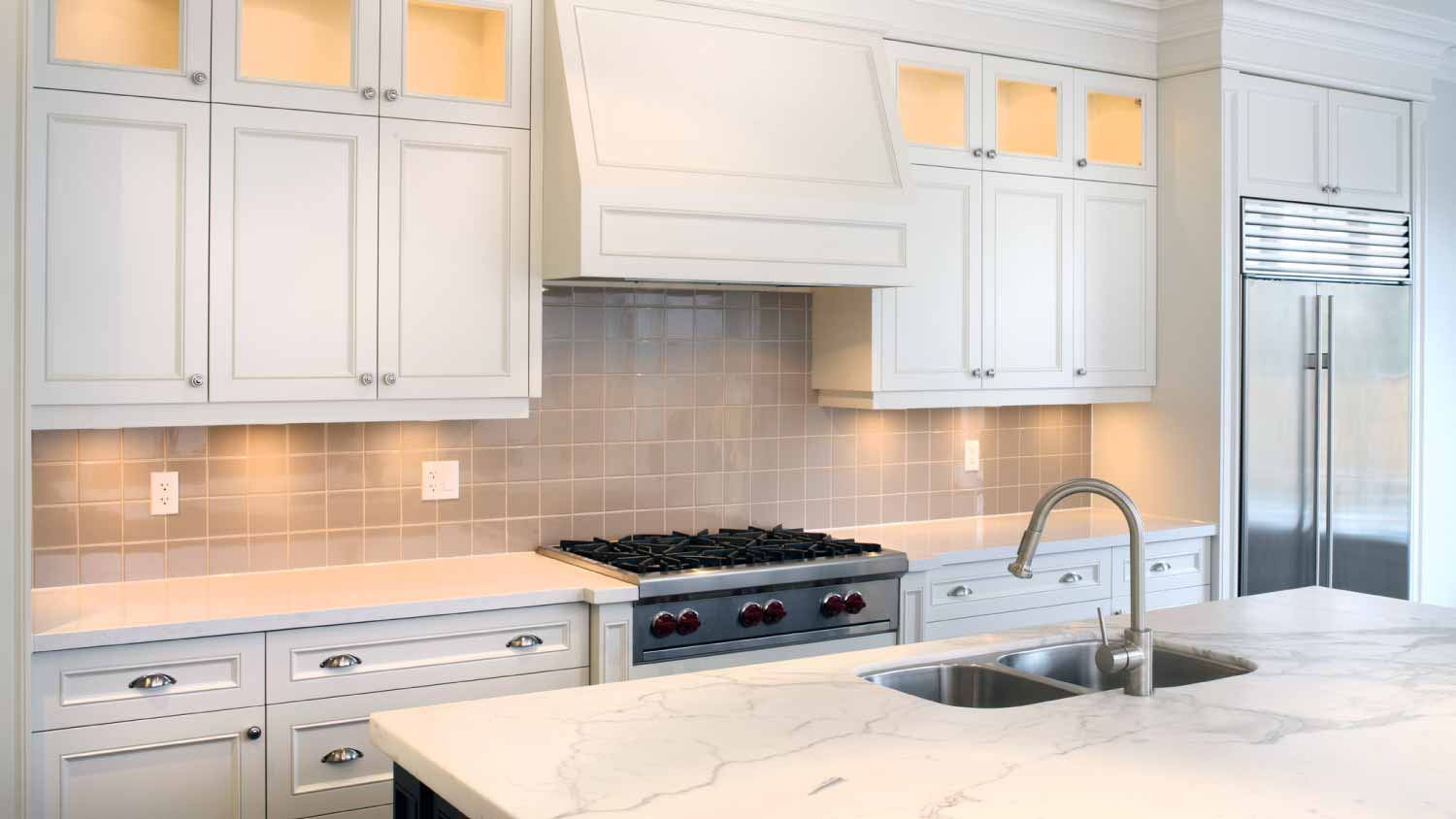
Marble is a porous natural stone that needs sealant to minimize staining. Leaving this type of countertop material sealant-free means any liquids left on the surface will quickly absorb into the stone, discoloring it and dulling the sheen. Dark or acidic liquids, like red wine, coffee, and lemon, are the worst culprits.
Common causes include impact, heat, and improper cleaning agents. Regular maintenance prevents major issues.
Onyx countertops are naturally porous, absorbing liquids and staining easily without proper care. Regular sealing every 6 to 12 months is essential to keep them looking their best. Daily maintenance includes wiping up spills immediately and avoiding harsh cleaners or acidic substances that can etch the surface.
The frequency for sealing granite countertops depends on several factors, including the type of sealant used, the color of the granite, and how heavily the countertops are used. As a general guideline, resealing is often recommended every 12 to 18 months, but some sources suggest it could be as often as every few months or at least once a year.
The type of sealant is a major factor: water-based sealants may need reapplication every six months to a year, while more durable solvent-based sealants can last for five to 10 years. Additionally, factors like heavy kitchen traffic, frequent use of acidic cleaners, and lighter granite colors may require more frequent sealing to prevent staining.
To determine if your countertops need resealing, you can perform a simple water test. Place a few drops of water or a wet paper towel on an inconspicuous area of the granite. After 10 to 15 minutes, check the spot. If the water has beaded up, the seal is still intact. If the water has been absorbed and darkened the stone, it's time to apply a new coat of sealant. You can choose to seal the granite yourself or hire a professional to ensure it's done correctly.
Since cesspits must be watertight to prevent leakage and contamination, so they’re typically constructed from one of a few tough materials. Most cesspits are made from fiberglass, concrete, polythene, or steel. Each of these materials carries certain advantages—fiberglass, for example, is resistant to corrosion but may be more prone to cracking if it’s at high capacity.
The Eureka, SD homeowners’ guide to marble restoration services
From average costs to expert advice, get all the answers you need to get your job done.
Thinking about marble restoration? Learn about polishing options, average costs to expect, and how to hire the right local pro to renew your stone surfaces.