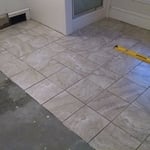
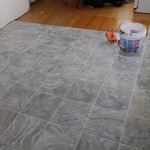
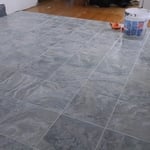
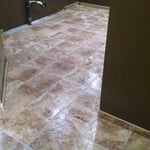
"Very conscientious and personable. He doesn't charge you by the hour so you get good value for your money. He is an excellent installer and I give him a 5 star rating."
701 Tile Setters specializes in any and all tile work. We handle both residential and commercial, working with both stone and granite. We look forward to earning your business!
At Shaina Rutherford Flooring & Design, we are your premier choice for all your tile work. We have provided high quality work and friendly customer service with several years experience. Call today!
We have 16+ years of experience on our staff. I back company produced warranties. There is no job to big or to small that we cant handle in a very timely manner.
Onyx countertops have pros and cons. If you seal it properly and take care not to damage it, it can make a good countertop surface. However, it's more often used in bathrooms, where it’s less likely to sustain damage. Having an onyx kitchen countertop is possible, but you’ll need to take extra care not to burn, stain, or otherwise damage the material.
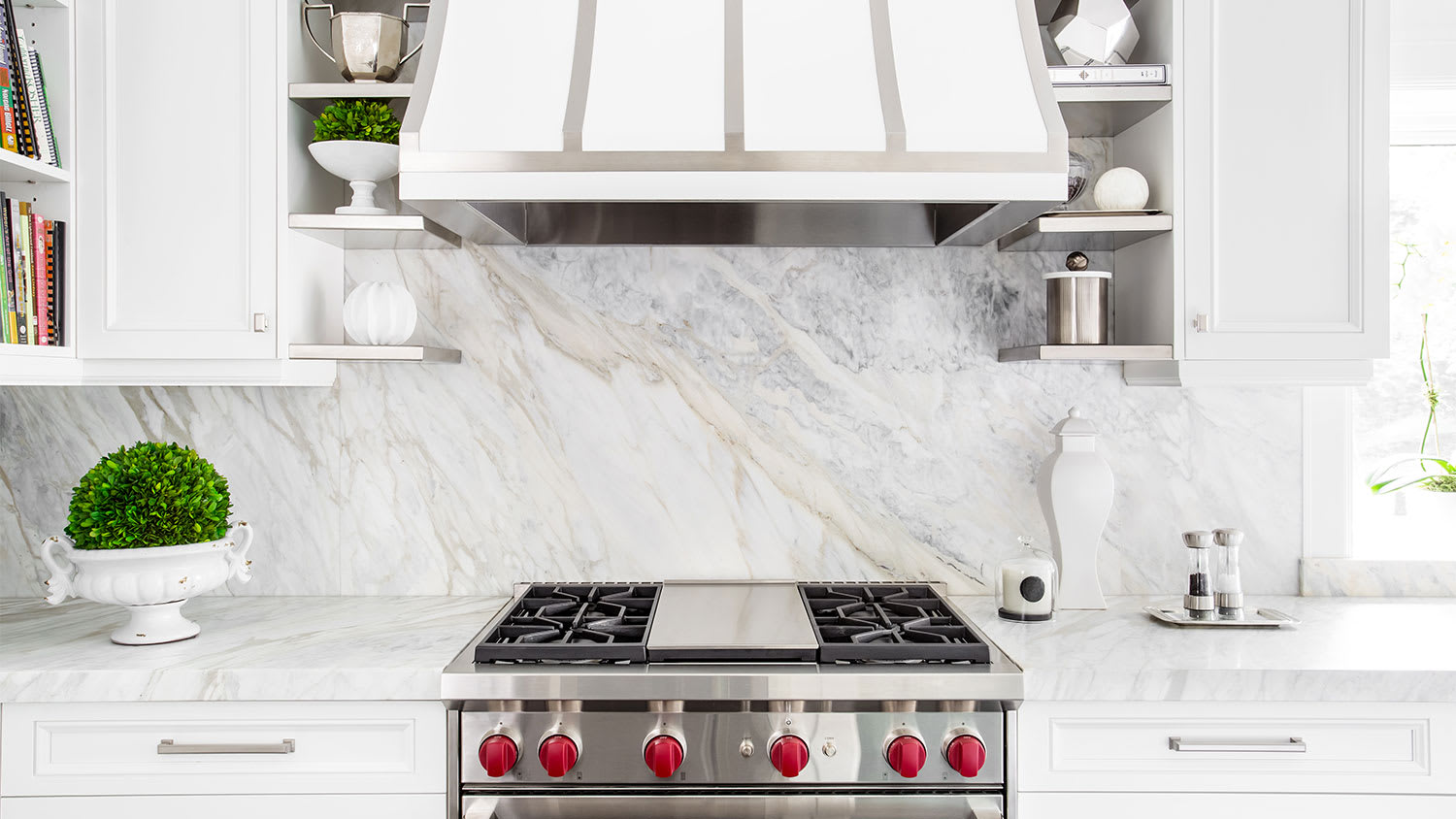
It is not recommended to put a hot pan directly on a marble countertop. While marble is heat-resistant, it is not completely heat-proof, and extreme or prolonged exposure to high heat can cause discoloration, cracking, or chipping. Pans may also scratch or nick the surface. To protect your countertop and maintain its integrity, always use trivets or hot pads. Note that faux marble finishes do not resist heat and require protection from hot items at all times.
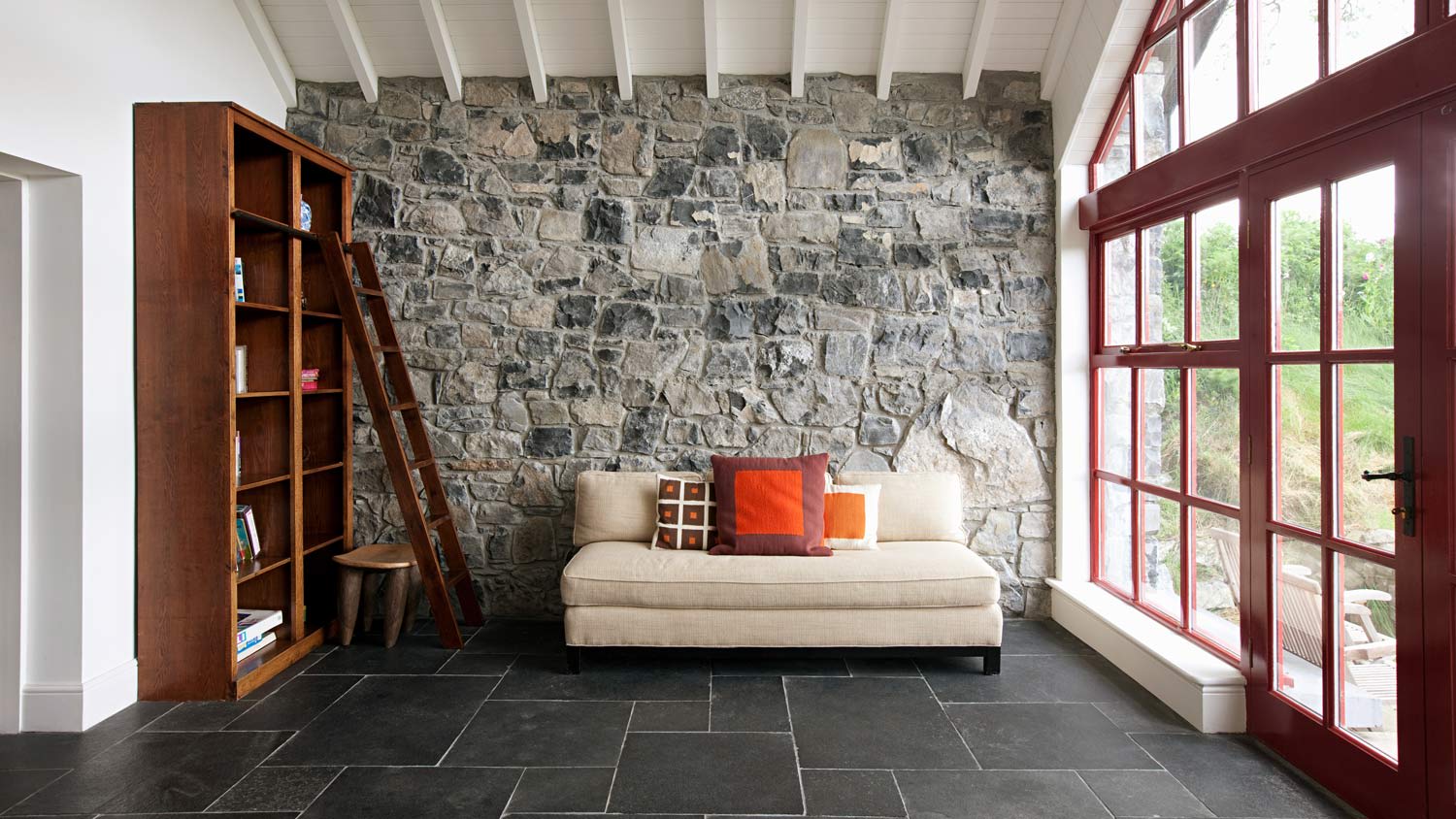
Beyond landscaping, limestone has multiple uses. For example, there are multiple pros and cons to limestone countertops, such as a lower cost compared to other types of stone and heat resistance. Limestone is also a key ingredient in limewash, a type of paint with a chalky texture. Other uses for limestone include siding, retaining walls, and mixed into cement.
Engineered stone is nonporous, unlike natural stone, and does not need to be sealed. You do not have to worry about etching or bacterial growth. It is more durable than natural stone and concrete, as well as highly heat resistant. Engineered stone is easy to clean and maintain. You can wipe it down with warm water and soap. Use a non-scratch scrub pad for stains and avoid any harsh cleaners. Engineered stone can even be eco-friendly, with some manufacturers using waste byproducts or organic resins.
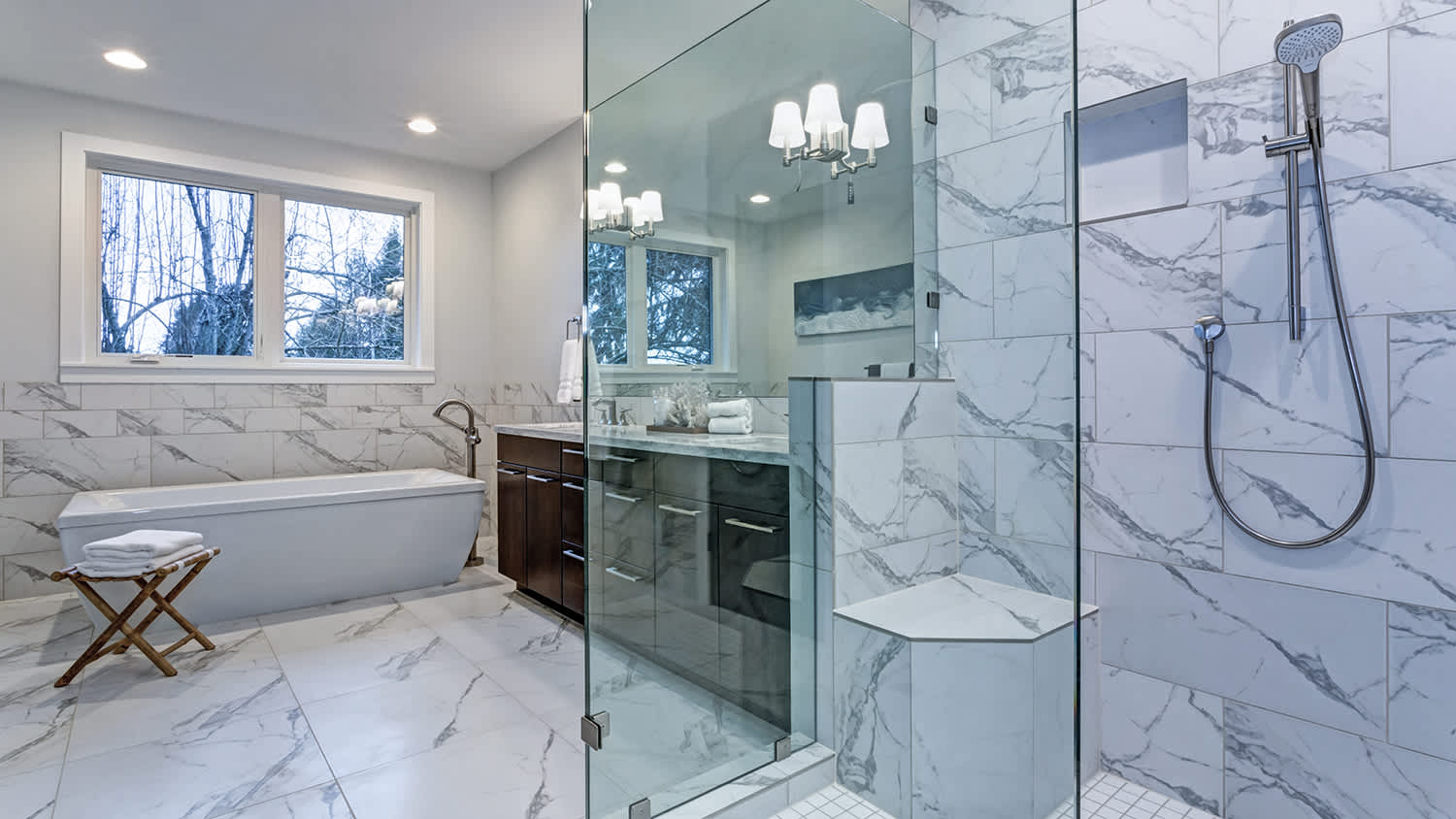
Marble countertops can last from 20 to 100 years, making them an excellent choice for anyone looking for durability. The life span depends on several factors, including how well you take care of your marble countertops. Marble is a porous material, so it can require more upkeep than other countertop options.
The Ashley, ND homeowners’ guide to marble restoration services
From average costs to expert advice, get all the answers you need to get your job done.
Thinking about marble restoration? Learn about polishing options, average costs to expect, and how to hire the right local pro to renew your stone surfaces.