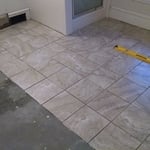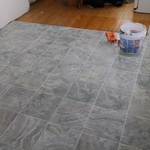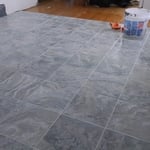



Top-rated marble restoration pros.

Best marble restoration pros near Linton, ND

Enter your zip and get matched with up to 5 pros

Need a pro for your marble restoration project in Linton, ND?

Select your specific project to find the pro for you.

Top-Rated Marble restoration pros in Linton - Updated Nov 2026

Avatar for Advanced Home Services
Advanced Home Services
3.7(
7
)
Tile: Natural Stone (Granite, Marble, Slate, Quartz, etc) - Repair

Serving Linton, ND and surrounding areas

Approved

In business since 2019

Free estimates

Emergency services offered

"Trenton quickly responded to my request and did the job the very next day. He not only cleaned my gutters but also saw the need for my yard to be spring cleaned which he did in a very short period of time. He’s a hard worker."
27 neighbors recently requested a quote
Recommended by42%of homeowners
Marble Restoration FAQs, answered by experts

It all comes down to rarity and demand. Granite rocks with unique patterns or rare colorways like red, purple, and blue are more expensive than traditional designs. Some types of blue granite are extremely rare, like Azul Aran and Blue Bahia, driving the price up even further. The most expensive type of all is a unique design called Van Gogh granite. As the name suggests, it sort of looks like a painting. 

There are three main downsides to quartzite: the cost, the porosity, and the weight. As a natural stone, there’s a level of scarcity that can drive up the price of certain types of quartzite. Even more common varieties are less affordable than synthetic materials like laminate and other natural stones like granite. 

You’ll also have to reseal your quartzite countertop annually to combat the natural porosity and reinforce your cabinets to account for the added weight.

The frequency for sealing marble countertops depends on several factors, including the quality and color of the stone, the type of sealant used, and the amount of traffic the surface receives. Marble has a porous surface that requires sealing to maintain its shine and resist scratches. As a general rule, you should seal countertops at least once a year. However, for heavily used surfaces, like those in a busy kitchen or family bathroom, you may need to reseal them every three to six months. Conversely, countertops in a rarely used guest bathroom might only need resealing every few years.

Yes, Corian® and other solid surface materials can be cut with standard woodworking tools, such as a circular saw or a jigsaw. However, it is crucial to use the correct type of blade to avoid damaging the material.

For a circular saw, a tungsten carbide-tipped blade is required; a triple chip grind blade is highly recommended. For a jigsaw, you should use a fine-tooth down-cutting blade. Do not use blades designed for cutting wood, as they can cause microfractures that weaken the edges of the countertop. A diamond blade is also unnecessary, as those are designed for harder materials like natural stone, which Corian is not.

After cutting, the edge will be rough. It is essential to sand and smooth the cut edge to prevent microfractures, which can eventually compromise the integrity of the countertop.

Silestone® is a low-maintenance countertop material, but certain things, like strong chemicals and solvents, can cause damage. Abrasive scrubs can cause scratches, and products that contain oil or powder can leave a residue. Finally, avoid letting oven cleaner come into contact with Silestone® because it can cause discoloration.

The Linton, ND homeowners’ guide to marble restoration services

From average costs to expert advice, get all the answers you need to get your job done.