


Top-rated marble restoration pros.

Get matched with top marble restoration pros in Forman, ND

Enter your zip and get matched with up to 5 pros

Need a pro for your marble restoration project in Forman, ND?

Select your specific project to find the pro for you.

Find Marble restoration pros in Forman

Avatar for Marblelife of Fargo
Marblelife of Fargo
2.8(
2
)
Stone Restoration & Polishing

Serving Forman, ND and surrounding areas

In business since 2019

Free estimates

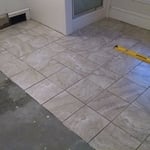
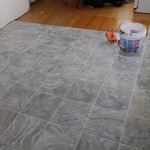
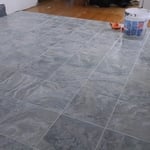
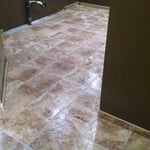
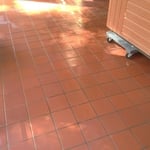
"Jeremy and Matt were very professional, punctual and friendly. They stripped and sealed our 100 year old black slate kitchen floor back to a beautiful shine. They did an awesome job. Thank you!"
Our Work
Our Work
Our Work
Our Work
Our Work

+18

Recommended by50%of homeowners

Hagen Construction
New to Angi
Stone Restoration & Polishing

Serving Forman, ND and surrounding areas

In business since 2005

Free estimates

Credit card accepted

We are a locally owned and operated company that values honesty and integrity and treats your home as if it were our own. We offer a variety of general contractor services that are customizable to each individual project. You will find us to be competitively priced, paying close attention to the details of each and every project that we are involved with. We look forward to building lasting relationships and guarantee your satisfaction!

Marble Restoration questions, answered by experts

The frequency for sealing marble countertops depends on several factors, including the quality and color of the stone, the type of sealant used, and the amount of traffic the surface receives. Marble has a porous surface that requires sealing to maintain its shine and resist scratches. As a general rule, you should seal countertops at least once a year. However, for heavily used surfaces, like those in a busy kitchen or family bathroom, you may need to reseal them every three to six months. Conversely, countertops in a rarely used guest bathroom might only need resealing every few years.

The frequency for sealing granite countertops depends on several factors, including the type of sealant used, the color of the granite, and how heavily the countertops are used. As a general guideline, resealing is often recommended every 12 to 18 months, but some sources suggest it could be as often as every few months or at least once a year.

The type of sealant is a major factor: water-based sealants may need reapplication every six months to a year, while more durable solvent-based sealants can last for five to 10 years. Additionally, factors like heavy kitchen traffic, frequent use of acidic cleaners, and lighter granite colors may require more frequent sealing to prevent staining.

To determine if your countertops need resealing, you can perform a simple water test. Place a few drops of water or a wet paper towel on an inconspicuous area of the granite. After 10 to 15 minutes, check the spot. If the water has beaded up, the seal is still intact. If the water has been absorbed and darkened the stone, it's time to apply a new coat of sealant. You can choose to seal the granite yourself or hire a professional to ensure it's done correctly.

In most cases, chipped or cracked granite can be salvaged, but it depends on the size and scope of the damage. For example, a pro can smooth out small chips on the edge with polish pads or an angle grinder, but a crack that runs through the stone's surface has little-to-no chance of being fixed easily.

Marble countertops are often considered better than limestone because of their superior durability and luxurious appearance. Marble is harder and less prone to scratching and denting, though it still requires maintenance and sealing to prevent stains and etching. Marble is typically more expensive, but its beautiful veining and range of colors offer a high-end look. 

Yes, Corian® and other solid surface countertops can be cut with standard woodworking tools like a circular saw or a jigsaw, but using the correct blade is crucial for the best results.

The recommended blade is a tungsten carbide-tipped blade, often called a solid-surface planer or triple chip grind blade. This type of blade is hard enough to cut through the material effectively. For a jigsaw, a fine-tooth down-cutting blade should be used.

It is important to note that a diamond blade is not necessary. Diamond blades are designed for harder materials like natural stone, concrete, or brick, and Corian is not a natural stone.

Using blades designed for wood is not recommended as they can cause microfractures that weaken the countertop's edges. While a tungsten carbide blade provides a much cleaner cut, the resulting edge will still be rough and must be sanded and smoothed to prevent microfractures from developing over time.

The Forman, ND homeowners’ guide to marble restoration services

From average costs to expert advice, get all the answers you need to get your job done.