



Top-rated energy efficiency auditors.

Get matched with top energy efficiency auditors in Forman, ND

Enter your zip and get matched with up to 5 pros

Need a pro for your energy efficiency auditing project in Forman, ND?

Select your specific project to find the pro for you.

Find Energy efficiency auditors in Forman

Energy Efficiency Auditing questions, answered by experts

Homeowners may qualify for an HVAC tax credit if they install an ENERGY STAR®-certified HVAC system that exceeds the energy efficiency minimum standards:

  • Split-System AC: 16 SEER2

  • Packaged AC: 15.2 SEER2 and 11.5 EER2

  • Ducted Split Heat Pump: 15.2 SEER2, 7.8 HSPF2, and 11.7 EER2 

  • Packaged Heat Pump: 15.2 SEER2, 7.2 HSPF2, and 10.6 EER2

  • Mini-Split System: 16 SEER2, 9 HSPF2, and 12 EER2

You can claim up to 30% of the cost of the job, subject to maximums.

Electric bills tend to be lower in spring and fall because people use less electricity during these seasons. Milder temperatures allow for less use of heating and cooling, unlike during winter and summer, which usually bring more extreme temperatures.

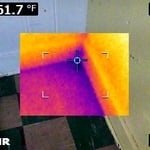
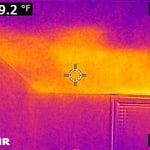
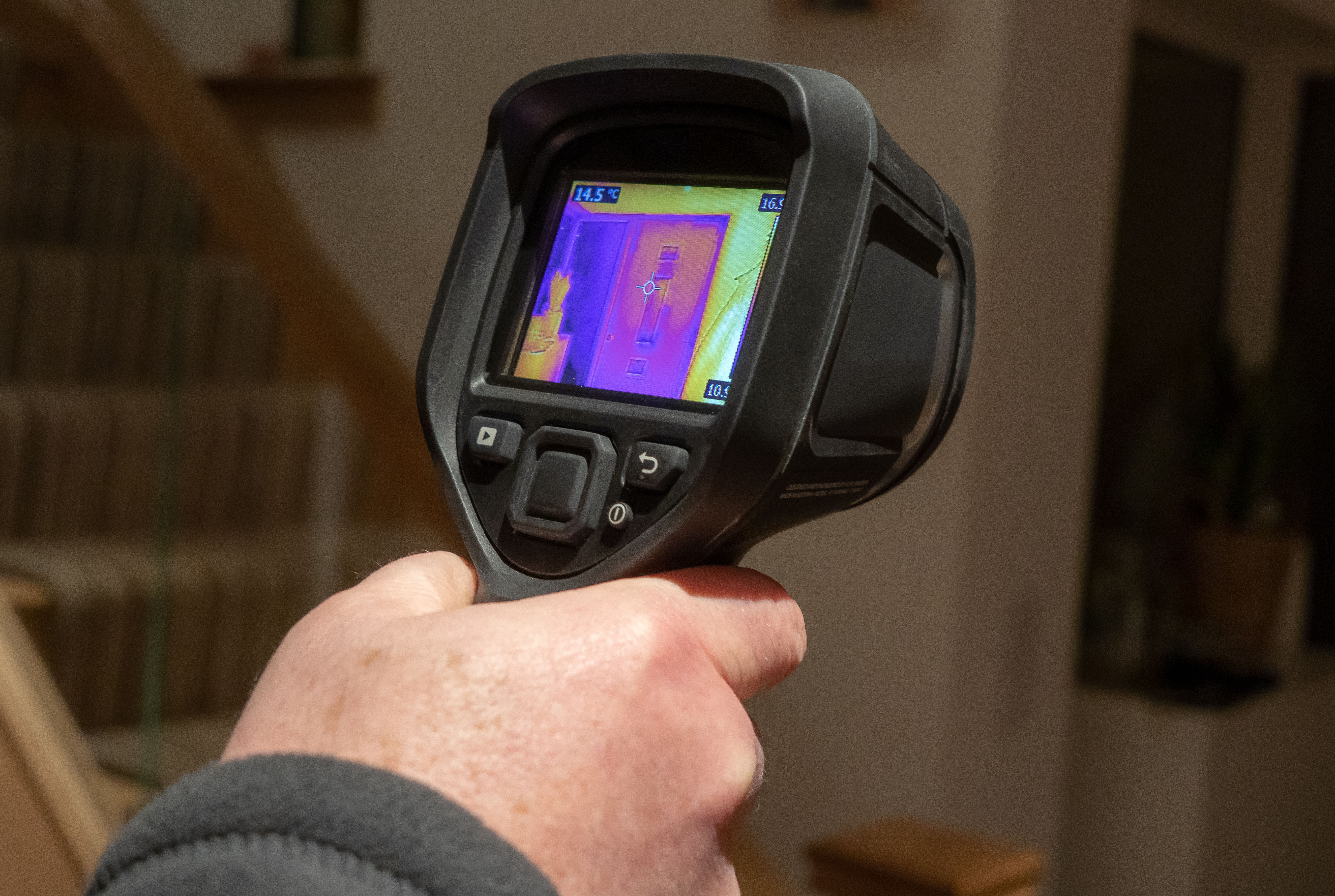
A blower door test shouldn’t take more than an hour, and most can be completed in less than 30 minutes. Expect the test to take longer once you start searching for leaks with thermal imaging or want to include sealing such leaks in the time estimate. The test doesn’t take much time and can’t be rushed, but it will take longer in large homes or those with many air leaks.

The difference between an energy auditor and a home inspector is primarily in the purpose of the inspection. The energy auditor conducts tests in your home to determine the energy efficiency levels in areas like windows, insulation, and doorways. The auditor then makes recommendations for ways to improve a home’s energy efficiency

A home inspector examines various structures of your home to determine that everything is up to code and gauge the condition of features like the roof, foundation, HVAC, and electrical. The home inspector reports on the overall home and makes repair recommendations.

R-value is calculated by dividing the thickness of an insulation material by its thermal conductivity. The material's composition and density influence thermal conductivity. Materials with lower conductivity values provide better insulation. The higher the R-value, the better the material is at insulating, helping homeowners select insulation that meets the energy needs of their climate and home layout.

The Forman, ND homeowners’ guide to energy efficiency auditing services

From average costs to expert advice, get all the answers you need to get your job done.