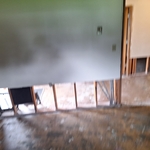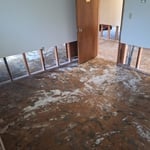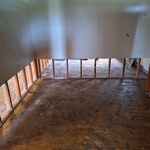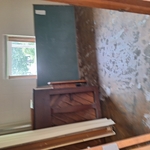


"Dave was great to work and extremely helpful. He was professional and took a lot of time to explain to us what the issues were and how to resolve them. Dave was very timely in his inspection/mold restoration. We would highly recommend him to others as well as use his services again if ever needed."
"I been using them for years now, they provide good service so far. They always sent out reliable people to remedy the problem and they always came out in a timely manner."
We are committed to excellence in every aspect of our business. We uphold a standard of integrity bound by fairness, honesty, and personal responsibility. Our distinction is the quality of service we bring to our customers. Accurate knowledge of our trade combined with ability is what makes us true professionals. Above all, we are watchful of our customers' interests, and make their concerns the basis of our business.\n
Mold Testing and Remediation questions, answered by experts
Usually, when you have mold, you will notice that your indoor air quality isn’t what it should be. You might notice dank odors, for instance, coming from your carpet, and it may feel damp or spongy. Or you may find that your family members are showing more allergy symptoms than usual, from coughing and sneezing to itchy, watery eyes.
And, of course, if you’ve recently experienced flooding or you live in a particularly humid environment, that’s a good sign you’re at risk for mold growth.
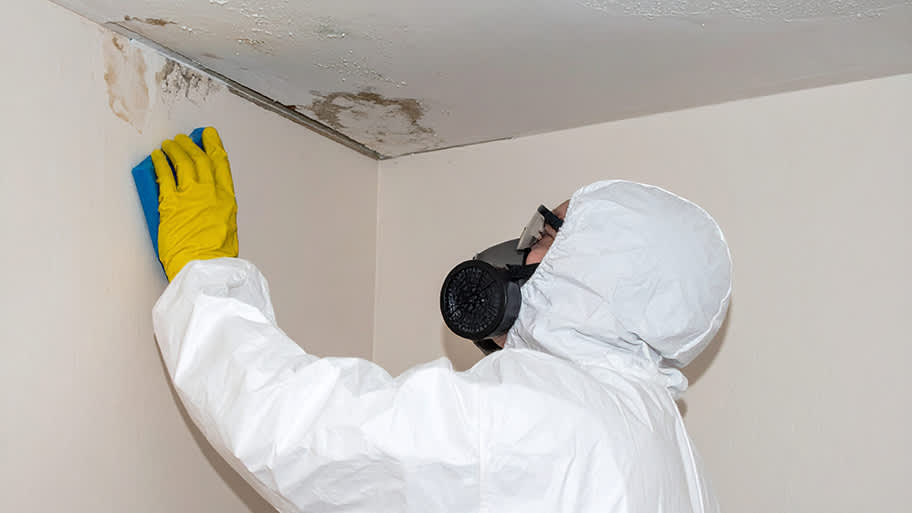
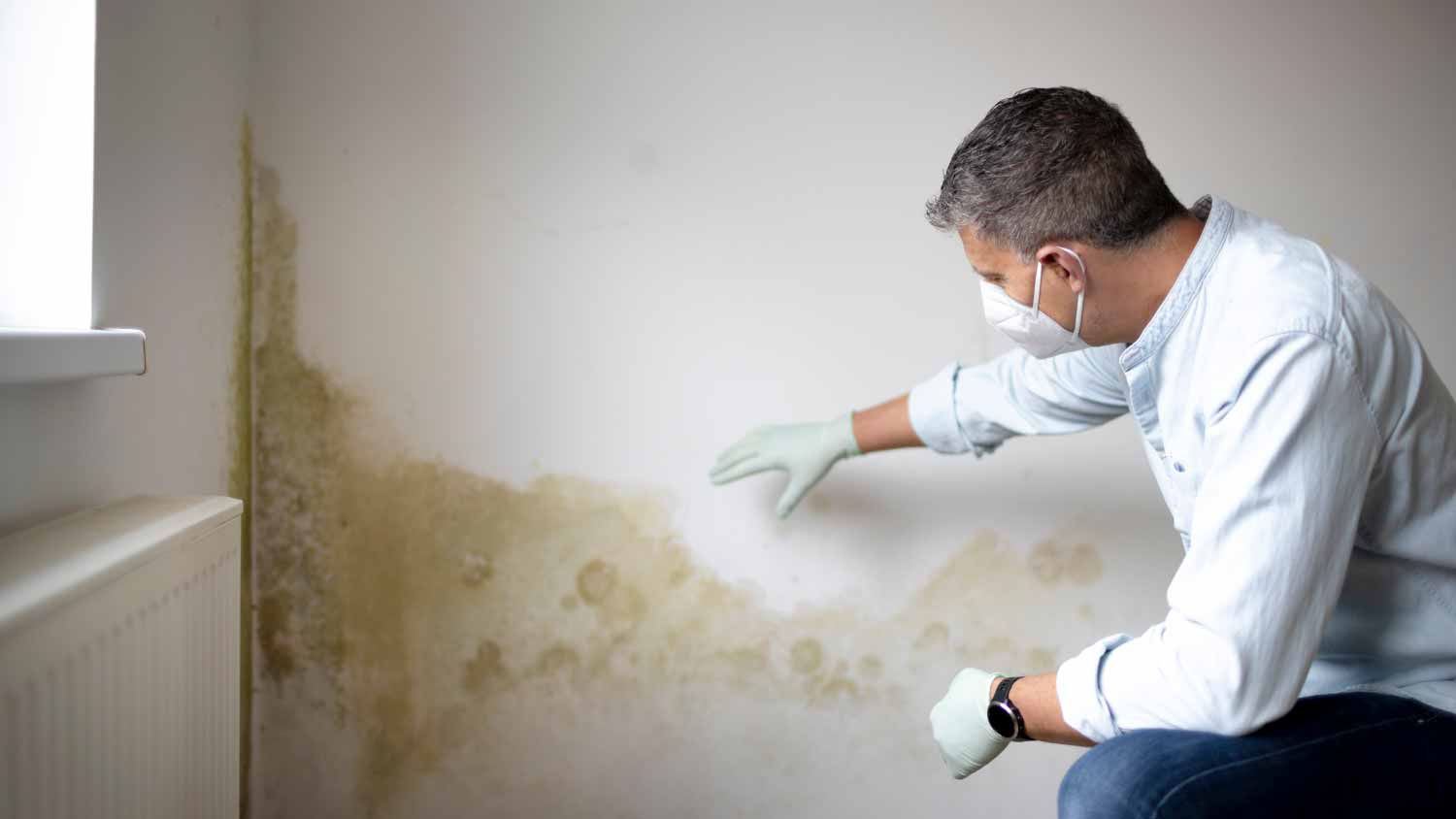
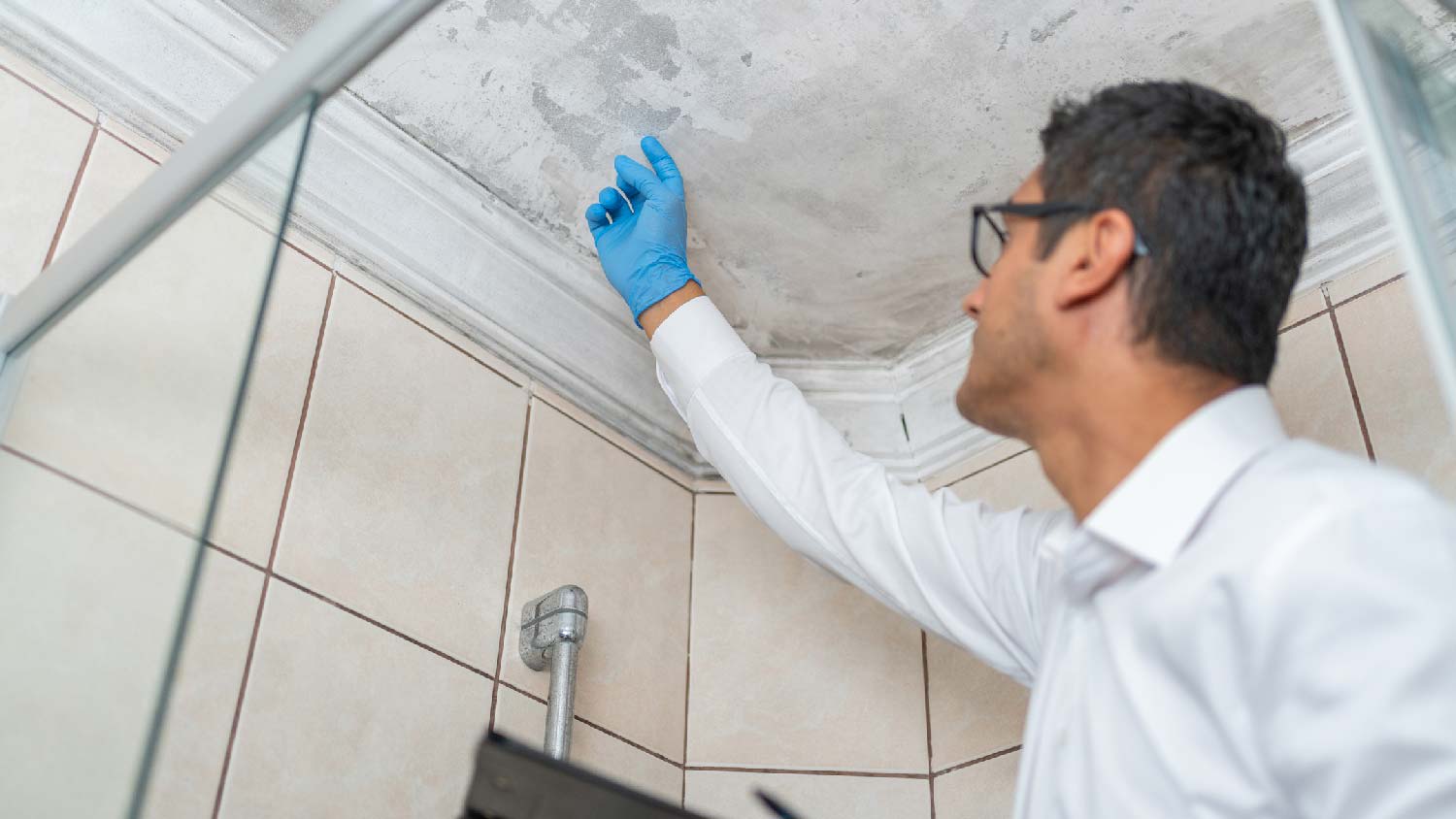
Signs you may need mold remediation include visible mold growth on walls or ceilings, a persistent musty odor, or health symptoms like allergies and respiratory issues. Areas affected by water damage or excessive humidity are prone to hidden mold. A professional inspection can confirm whether mold remediation is required, especially for large or concealed infestations.
Yes, mold can grow on nonporous surfaces. Mold is extremely resilient and can survive just about anywhere. However, mold will not grow as quickly on a nonporous surface as on a porous one. Additionally, the nonporous nature makes it easier to remove. Keep the countertop clean and properly maintained, and you shouldn’t experience mold growth.
Pressure-treated wood offers some protection from the elements but doesn’t protect against mold. However, if you spot mold growing on pressure-treated wood, it doesn’t indicate rot or an interior fungal infection—the treatment process ensures that the mold stays on the exterior. Keep the wood dry, but if you spot some mold, remove it immediately and clean the area.
Mold can begin growing in as little as one to two days after your ceiling has been exposed to water. Mold grows and spreads quickly and can cause serious health problems. Always ensure areas with leaks are fully dried out, and any damaged material is replaced to discourage mold growth.
The Berthold, ND homeowners’ guide to mold testing and remediation services
From average costs to expert advice, get all the answers you need to get your job done.
The cost of a mold inspection might seem high, but it’s one of the best investments you can make for your health and home. Read on to learn cost-saving tips.
There's an excellent reason why you should avoid going with the same company for mold testing and mold remediation. Learn why different companies should handle these tasks.
When is mold remediation required at your home? We can help you decide whether the musty odor or the patch of mold you’re experiencing requires a pro’s help.
Figuring out how to test for mold in your home is important. Mold testing can offer peace of mind and lets you know if it’s time to call a pro. Learn about mold testing processes in this guide.