



Top-rated lead testing and removal specialists.

Get matched with top lead testing and removal specialists in Tar Heel, NC

Enter your zip and get matched with up to 5 pros

Need a pro for your lead testing and removal project in Tar Heel, NC?

Select your specific project to find the pro for you.

Find Lead testing and removal specialists in Tar Heel

Environmental Service Group
New to Angi
Toxic Lead - Testing

Serving Tar Heel, NC and surrounding areas

In business since 2010

Free estimates

Credit card accepted

We pride our company on reliability, great communication, integrity, and quality work. We are experts in our trade and will do our best to keep you as educated as we can on your particular task or project. We look forward to earning your business! We are family owned and operated, so please let us know how our family can take care of yours!\n\n

Lead Testing and Removal questions, answered by experts

Mold, VOCs, radon, carbon monoxide, and particulate matter are typically measured.

Avoid disturbing suspected lead-containing materials and follow professional guidance on sample collection.

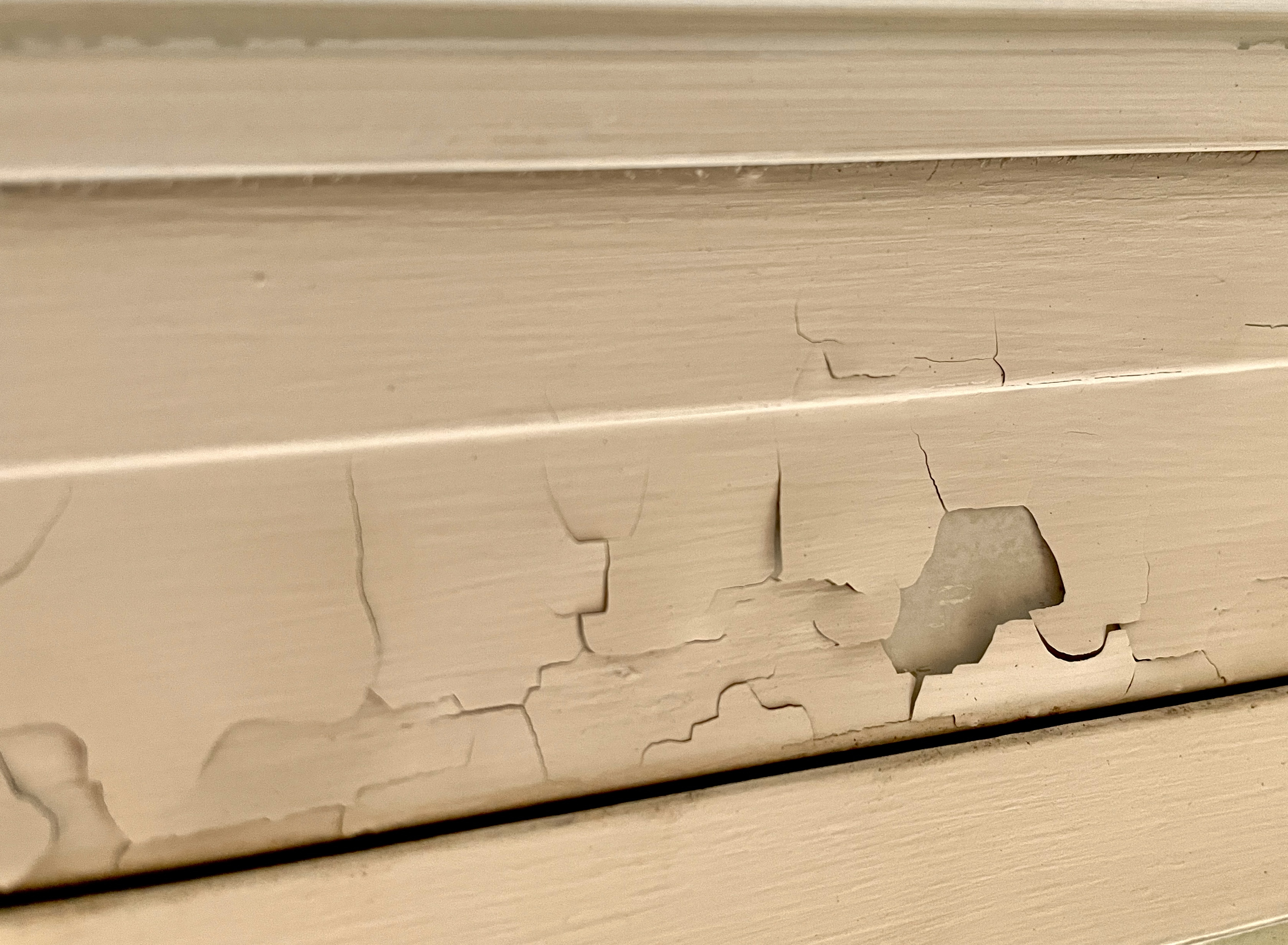
You do not have to remove lead paint if the surface is not chipping or peeling or if there are no pregnant people or children under the age of six who live in or regularly visit your home. Lead paint is a particular risk for young children whose brains and bodies are not fully developed. Experts strongly recommend that you call a pro to remove lead paint if it’s peeling or flaking, no matter who lives in the home. You can experience lead poisoning by breathing in or ingesting just a small amount of it.

If the lead paint is in a place that is not easily disturbed and is not flaking or deteriorating, you do not necessarily need to remove it. Lead is toxic when dust particles or flakes from peeling lead paint are ingested. If people are not in the area with the lead paint, it may be safe to leave it in place. You still may want to consider encapsulation with a paint formulated for covering lead-based paint, just for an added layer of protection.

Several different measurements may be used to determine the amount of lead in water. The most common unit of measurement is micrograms per liter (µg/L), which is the same as parts per billion. Another measurement is milligrams per liter (mg/L), which is the same as parts per million.

The Tar Heel, NC homeowners’ guide to lead testing and removal services

From average costs to expert advice, get all the answers you need to get your job done.