





Top-rated lead testing and removal specialists.

Get matched with top lead testing and removal specialists in Bladenboro, NC

Enter your zip and get matched with up to 5 pros

Need a pro for your lead testing and removal project in Bladenboro, NC?

Select your specific project to find the pro for you.

Find Lead testing and removal specialists in Bladenboro

Environmental Service Group
New to Angi
Toxic Lead - Testing

Serving Bladenboro, NC and surrounding areas

In business since 2010

Free estimates

Credit card accepted

We pride our company on reliability, great communication, integrity, and quality work. We are experts in our trade and will do our best to keep you as educated as we can on your particular task or project. We look forward to earning your business! We are family owned and operated, so please let us know how our family can take care of yours!\n\n

Lead Testing and Removal questions, answered by experts

A lead paint inspection is a thorough examination and assessment of a building or structure to determine the presence of lead-based paint. Lead-based paint was commonly used in buildings before 1978 when its health hazards were fully understood. Lead is toxic and can pose health risks, particularly to young children and pregnant women. Getting a lead paint inspection means finding a lead paint inspector to examine the surfaces of the building—such as walls, ceilings, doors, windows, and other painted areas—and identify the presence of lead-based paint.

Professional lead testing services typically cost between $200 and $500, with the price varying based on the extent of testing and the specific areas tested within the property.

If your home was built before 1978, there’s a chance that any paint on your hardwood floors could be lead paint—especially if it was already there when you moved in. Because lead is toxic, hiring a licensed pro to remove it is mandatory. The average price for professional lead paint removal ranges from $1,500 to $5,300 and depends on the scope of the project.

Properties should be tested for lead every 2-3 years, especially if they are older, have undergone renovations, or show deterioration of paint or interior finishes.

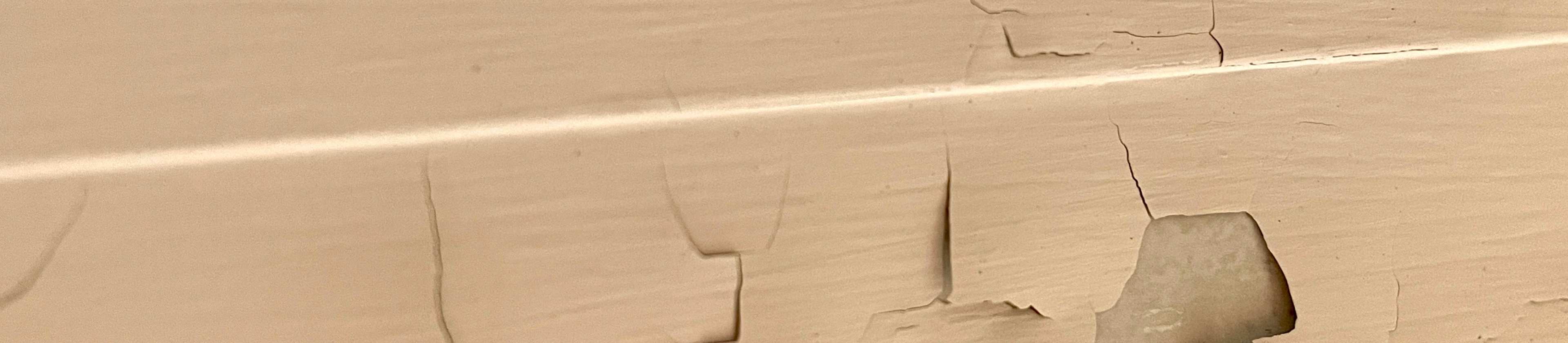
Lead toxicity comes from inhaling lead or consuming it. Before the 1980s, when the government banned lead from consumer use, it could be found in paint, plumbing, pipes, ceramics, and even gasoline. Lead paint is toxic for the same reason lead itself is toxic, which is why lead poisoning from paint presents the same as lead poisoning from water or food sources, with a slight increase in respiratory symptoms vs. digestive symptoms. Lead paint is most dangerous when it’s old and peeling, cracking, or otherwise disturbed. This increases the concentration in the air and, therefore, in breathable air. 

The Bladenboro, NC homeowners’ guide to lead testing and removal services

From average costs to expert advice, get all the answers you need to get your job done.