



Top-rated lead testing and removal specialists.

Get matched with top lead testing and removal specialists in Fayetteville, NC

Enter your zip and get matched with up to 5 pros

Need a pro for your lead testing and removal project in Fayetteville, NC?

Select your specific project to find the pro for you.

Find Lead testing and removal specialists in Fayetteville

Avatar for Vanco Crawlspace & Restoration, LLC
Vanco Crawlspace & Restoration, LLC
5.0(
1
)
Toxic Lead - Testing

Serving Fayetteville, NC and surrounding areas

In business since 2020

Free estimates

Emergency services offered

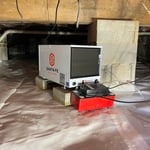
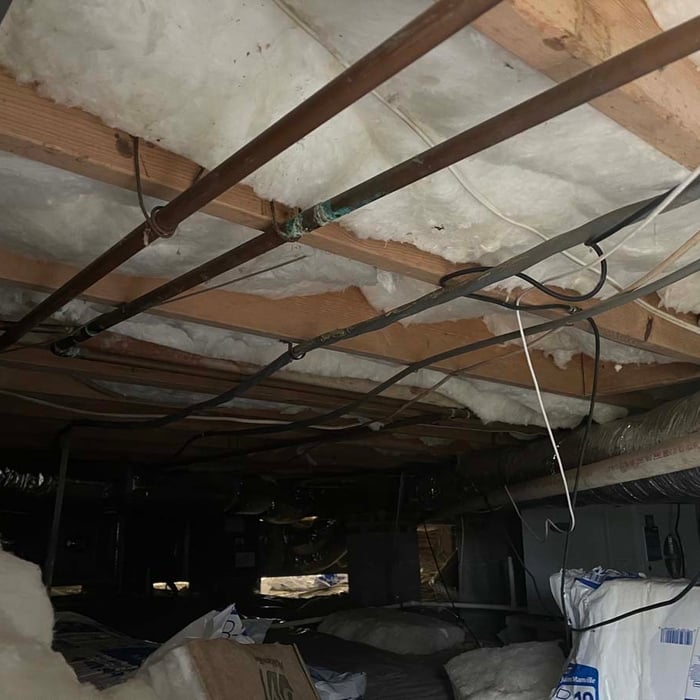
The Versatile Crawlspace Contractors You Can Trust!!\nVanco Crawlspace & Restoration, LLC is a crawlspace company with years of experience waterproofing homes and businesses in Kittrell, NC. We create personalized crawlspace solutions following thorough inspections of your property, and we strive to provide top-level customer service on every project. We are the crawlspace waterproofing company to call when you need to solve crawlspace humidity problems permanently. Some of our services include:\n\nCrawlspace foundation repair\nCrawlspace insulation\nCrawlspace encapsulation\nCrawlspace vents installation\nDehumidifier installation\nVapor barrier installation\nPlease contact us for your FREE ESTIMATE for your crawl space needs and let our team show you why we are the 1st choice for your crawlspace projects!\n

Additional Photos
Additional Photos
Additional Photos
Additional Photos
Additional Photos

+2

Recommended by100%of homeowners
Lead Testing and Removal questions, answered by experts

Lead removal services typically cost between $1,000 and $5,000, depending on the extent of lead presence, the property size, and the complexity of the abatement process.

Professional testing for lead paint costs about $300, ranging from about $250 to $700, depending on the square footage, accessibility, and location. However, testing for lead paint with a DIY home-testing kit costs about $25, but doesn’t guarantee accurate results. The U.S. Environmental Protection Agency (EPA) recommends using a lead test kit that complies with the Lead Renovation, Repair, and Painting (RRP) Rule, which has strict criteria for ensuring a more accurate reading.

Common home surfaces to test for lead include:

  • Walls

  • Windows

  • Doors

  • Molding and trim

  • Railings

You can sell a house with lead paint, but there are several requirements. If you are aware that lead paint exists anywhere in the home, you must disclose that to potential buyers. Required home inspections will often uncover lead paint, especially for older houses where lead paint may still be a problem. If you have taken steps to encapsulate lead, you should provide buyers with full documentation of the project so it won’t cause any problems later on.

According to the Environmental Protection Agency (EPA), hazardous waste is generally classified into four main categories:

1. Characteristic Wastes: These exhibit at least one of four hazardous traits: ignitability (flammable, like gasoline), corrosivity (can rust or decompose materials, like car batteries), reactivity (unstable and can explode, like aerosol cans), or toxicity (harmful when ingested, like lead-based paint).

2. Listed Wastes: These are specific wastes from manufacturing and industrial processes that the EPA has officially designated as hazardous. They include byproducts from processes that use solvents, pesticides, and other chemicals.

3. Universal Wastes: These are commonly generated hazardous items that are subject to streamlined regulations. Examples include batteries, pesticides, mercury-containing equipment (e.g., bulbs), and some lamps.

4. Mixed Wastes: This category includes waste that contains both hazardous and radioactive components, making it subject to regulation by both the EPA and the Nuclear Regulatory Commission.

Lead toxicity comes from inhaling lead or consuming it. Before the 1980s, when the government banned lead from consumer use, it could be found in paint, plumbing, pipes, ceramics, and even gasoline. Lead paint is toxic for the same reason lead itself is toxic, which is why lead poisoning from paint presents the same as lead poisoning from water or food sources, with a slight increase in respiratory symptoms vs. digestive symptoms. Lead paint is most dangerous when it’s old and peeling, cracking, or otherwise disturbed. This increases the concentration in the air and, therefore, in breathable air. 

The Fayetteville, NC homeowners’ guide to lead testing and removal services

From average costs to expert advice, get all the answers you need to get your job done.