




Top-rated generator install pros.

Get matched with top generator install pros in Parkton, NC

Enter your zip and get matched with up to 5 pros

Need a pro for your generator install project in Parkton, NC?

Select your specific project to find the pro for you.

Find Generator install pros in Parkton

Chris Edge Electric, Inc.
5.0(
7
)
Fixed Generator - InstallGenerator - Install - For BusinessPortable Generator - Install

Serving Parkton, NC and surrounding areas

Approved

In business since 2008

Free estimates

Customers say: Quick response

"Everything that Chris said he would do, he did. He was very professional and knowledgeable of the equipment installed. If and when I have electrical problems, Chris will be the person called."
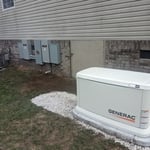
Generac 50kw
Generac 50kw 3 phase
Generac 48kw
Response time7 hrs
3 neighbors recently requested a quote
Recommended by100%of homeowners
Showing 1-10 of 34
Generator Install questions, answered by experts

Yes, in some locations, it is required by the National Electric Code (NEC) to have a transfer switch installed for electrical emergencies. In addition to following electrical code, generator transfer switches ensure your home is fully protected during a power outage. By switching the power from the main breaker to the generator breaker, you can seamlessly operate your HVAC, lights, appliances, devices, and more during an emergency. 

Costs depend on generator type, labor, and additional wiring or transfer switch requirements.

Generally, you’ll want to keep between 60 and 70 feet between the generator and the transfer switch. There are a few reasons for this, including:

  • The distance reduces the noise coming from the generator into your home.

  • It increases efficiency because you won’t have a voltage drop from this short of a distance.

  • Prevents carbon monoxide poisoning: keep at least 15 feet between your generator and an open window. 

While standby generators provide essential backup power, they can fail when you need them most due to lack of maintenance, fuel supply issues, dead batteries, electrical problems, or improper installation. To avoid costly failures, professional installation and regular maintenance are crucial. Licensed technicians ensure safety, uphold warranty requirements, comply with regulations, and provide expert servicing.

Sizing a generator is a careful process that requires calculating the electrical load of your entire house. You have to take into account every device you want to use and their wattage requirements, plus the wattage needed to start them, and look for a generator that can safely run all that at around 80% capacity.

In more practical terms, a small home can run on a 10,000-watt generator (and if you only want to power a few key appliances, much less than that). A mid-sized home may need something between 15,000 and 22,000 watts. Larger homes require 25,000 watts or more. 

The Parkton, NC homeowners’ guide to generator installs

From average costs to expert advice, get all the answers you need to get your job done.