




Top-rated generator install pros.

Get matched with top generator install pros in Tar Heel, NC

Enter your zip and get matched with up to 5 pros

Need a pro for your generator install project in Tar Heel, NC?

Select your specific project to find the pro for you.

Find Generator install pros in Tar Heel

Chris Edge Electric, Inc.
5.0(
7
)
Fixed Generator - InstallGenerator - Install - For BusinessPortable Generator - Install

Serving Tar Heel, NC and surrounding areas

Approved

In business since 2008

Free estimates

Customers say: Quick response

"Mr. Chris came to my property and gave an honest estimate for the work I needed. We discussed what I needed and he told me how he could do it in the most cost efficient way. Chris did the work exactly how he said he would & with a reasonable price ! Very professional & knowledgeable! I would definitely recommend him for anybody that needs electrical work done. Hire him !!"
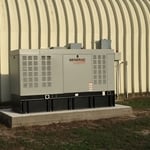
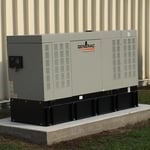
Generac 50kw
Generac 50kw 3 phase
Generac 48kw
Response time7 hrs
2 neighbors recently requested a quote
Recommended by100%of homeowners
Avatar for Jovan's Mobile Lube
Jovan's Mobile Lube
5.0(
5
)
Fixed Generator - InstallFixed Generator - RepairGenerator - Install+4 more

Serving Tar Heel, NC and surrounding areas

In business since 2008

Emergency services offered

Credit card accepted

"I called Jovan's Mobile Lube after doing a google search for a mechanic. He was very courteous on the phone and gave me a g
\reat quote to check and then replace my brakes. Jovan scheduled me in for the next day. He came to my home on my day off, which was very convenient. If you want to job done right, fast, and affordable I highly recommend Jovan's Mobile Lube. he is now my #1 mechanic!
"
Additional Photos
Additional Photos
Recommended by100%of homeowners

Avatar for Phillip Keith Davis
Phillip Keith Davis
5.0(
4
)
Fixed Generator - InstallFixed Generator - Repair

Serving Tar Heel, NC and surrounding areas

In business since 2000

Credit card accepted

Offers commercial services

"He received the notice early on Saturday morning and called within an hour. He was at my house to get the estimate done an hour after that. We agreed to have the install done the following Friday to give him time to get the permits done. He and his son we exactly on time and the price was actually lower than I anticipated. A totally professional job. This guy is on my list for my next electrical job."
1 neighbors recently requested a quote
Avatar for GeneratorTech, Inc.
GeneratorTech, Inc.
New to Angi
Fixed Generator - InstallFixed Generator - RepairGenerator - Repair - For Business

Serving Tar Heel, NC and surrounding areas

In business since 2020

Free estimates

Emergency services offered

GeneratorTech, inc is a full service residential and small commercial standby generator systems dealer. We provide sales, installation, and service. Free in home/ business assessment of your power needs can be scheduled Monday through Saturday. We are factory trained and authorized to provide equipment and service to secure years of worry free electrical standby power for your home or small business. BBB accredited business in NC. Serving Johnston and surrounding counties. Fortress generator systems by Briggs & Stratton are the finest on the market today. Built in the USA by a 100+ year old company. Only true 10yr generator available. Reliable and Courteous local family(s) business with Bible based ethics. Local NC licensed B. B. & K Electrical partnered with GeneratorTech or use your preferred contractor to connect your main panel to generator system.

Response time3 hrs
Showing 1-10 of 27
Generator Install questions, answered by experts

Generally, you’ll want to keep between 60 and 70 feet between the generator and the transfer switch. There are a few reasons for this, including:

  • The distance reduces the noise coming from the generator into your home.

  • It increases efficiency because you won’t have a voltage drop from this short of a distance.

  • Prevents carbon monoxide poisoning: keep at least 15 feet between your generator and an open window. 

Natural gas generators are designed to run for extended periods of time, such as power outages during a natural disaster. Since there’s no limit to the supply of natural gas, they don’t need to stop for refills. However, generators do need maintenance, including pauses to check and add oil. Constantly running them will also cause a lot more wear and tear, leading to a shorter lifespan.

It’s usually better to repair your generator if it isn’t working properly, as it will typically be much more affordable and should yield similar results. Generator repairs cost around $300 on average, while installing a new whole-house generator costs around $5,000 on average. The only exception is if you know your generator is reaching the end of its useful life, usually between 30 and 40 years. If you have an older generator, you could face multiple repairs in the coming years, which might mean that a full replacement will be more cost-effective over time.

Yes, in some locations, it is required by the National Electric Code (NEC) to have a transfer switch installed for electrical emergencies. In addition to following electrical code, generator transfer switches ensure your home is fully protected during a power outage. By switching the power from the main breaker to the generator breaker, you can seamlessly operate your HVAC, lights, appliances, devices, and more during an emergency. 

To determine the right size generator for your house, you should calculate the total wattage of the appliances and devices you want to power during an outage. List all essential items, note their start-up wattages, and add them together.

Here are some typical wattage requirements for common appliances:

  • Refrigerator: 600 watts

  • Large dehumidifier: 700 watts

  • Large window air conditioner: 1,400 watts

  • Water heater: 3,000 to 4,500 watts

  • Electric furnace: 5,000 to 25,000 watts

A 7,500-watt generator might be sufficient for essentials like a refrigerator, freezer, well pump, and lighting circuits. However, for high-demand items like a water heater or furnace, a whole-home generator is a better choice. A portable generator may be enough if you only need to power a few critical items.

While home square footage can offer a rough estimate, it is not always a reliable indicator. For reference, here are some typical generator sizes based on square footage:

  • 1,000 sq ft: 6–9 kW

  • 1,500 sq ft: 7–10 kW

  • 2,000 sq ft: 10–14 kW

  • 2,500 sq ft: 12–16 kW

  • 3,000 sq ft: 16–20 kW+

For the most accurate sizing, consult a professional who can calculate your home's peak and average power consumption and recommend the optimal generator.

The Tar Heel, NC homeowners’ guide to generator installs

From average costs to expert advice, get all the answers you need to get your job done.