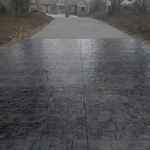
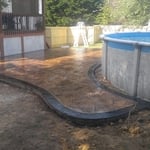
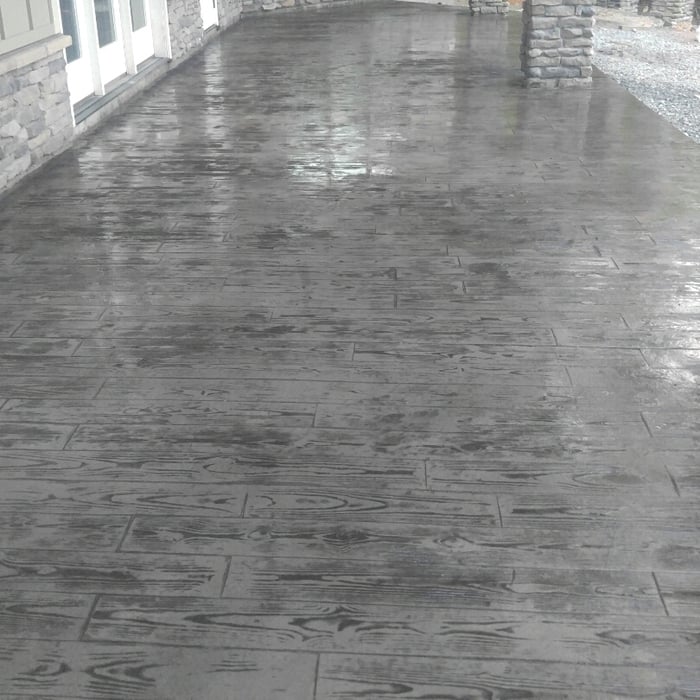
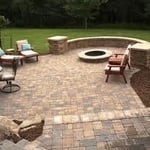
"Lou Sullivan was an absolute pleasure to work with. He showed up on time to do the estimate, walked me through the stamping/colorization process, and gathered required info from me to help him ascertain how to achieve the finished look I desired (including layout, colors, and expansion joint locations). Once done he provided me with an estimate as well as his availability. At no point did I feel pressured, and Lou's professionalism made it feel like I was working with a partner who was genuinely invested in helping me achieve my objective. After agreeing on both a price and timing, Lou returned with his crew to do the work, as scheduled. Again he was punctual, and his crew did a fantastic job of getting the pour down, spread, stamped, colored, and cut (expansion joints) in a timely fashion. A week later (to allow curing) Lou returned to seal the finished product. I'm writing this review more than 18 months after completion of the project -- and waited this long to see how the finished product held up. When clean (as opposed to covered in pollen), my patio looks as good as it did the day after it was sealed. I'm very pleased with the result and would/will engage Carolina Decorative Concrete again should I have a need for more work of this type. Lou is a true professional and a master at his craft. Important: It should be noted that I already had a 4" base of level, tamped crush & run in place for the patio … as well forms in place to hold the concrete pour. Thus, the pricing I received was strictly for the decorative concrete work, as all required prep work had already been performed prior to engaging Lou. Those in need of prep work should factor its cost in, of course."
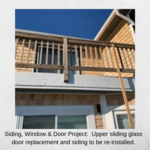
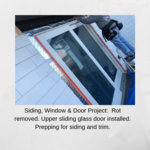
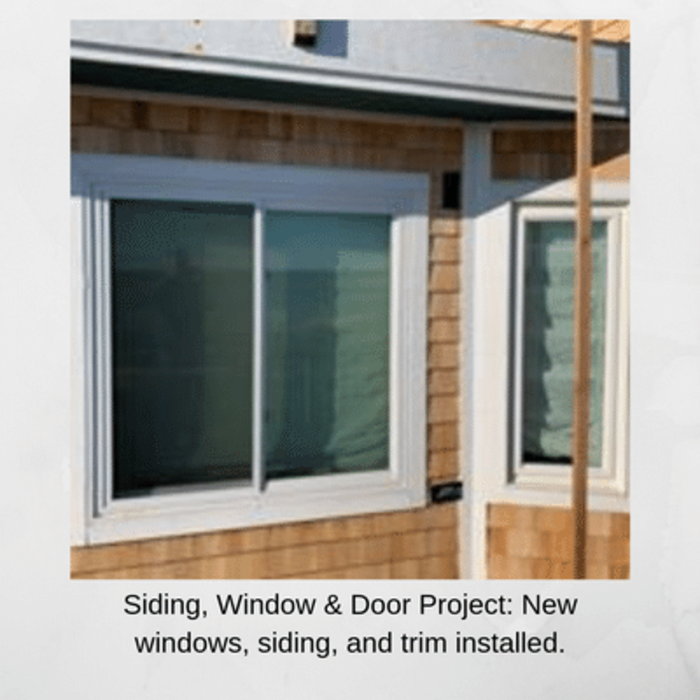
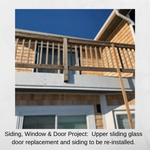
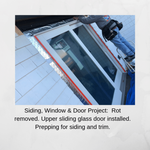
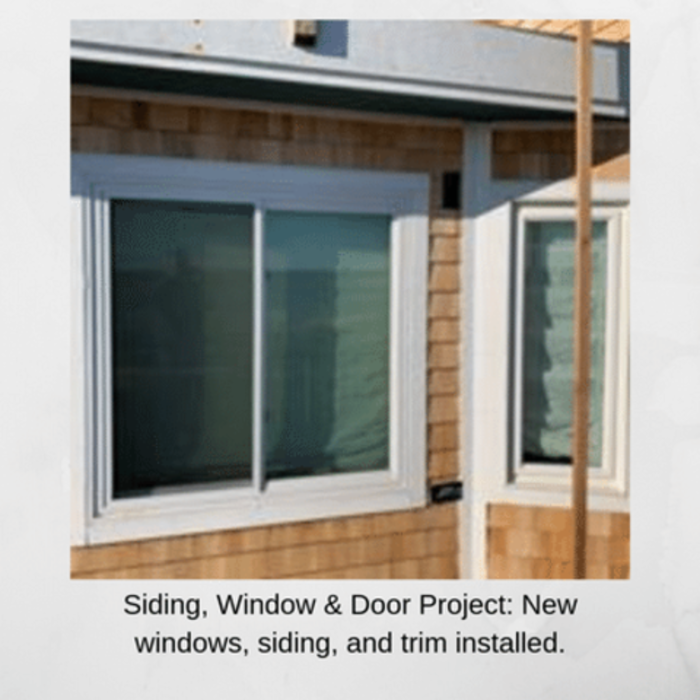
"We had damage from Hurricane Isaias. Kent was very prompt in providing estimates and helping us work through the insurance process. He has provided all the documentation the insurance company requested. Work started promptly after our acceptance of the estimates. The work was high quality. It included replacing hardi-board siding, painting, drywall, doors, windows, mold remediation and general carpentry . He provided the right craftsman for the job. The work was completed in a timely fashion."
"Highly recommended! I contracted with Brick Solutions owner, Joe Walls, to have a badly damaged concrete driveway replaced with brick pavers. I had previously gotten estimates for replacing the driveway with new concrete but I was concerned about damaging the roots of a very old tulip poplar tree adjacent to the driveway. When the concrete contractor informed me if he didn?t cut the roots he couldn?t guarantee the concrete but if he did cut the roots he could not guarantee the tree would survive, I decided to go with brick. Joe said he could do the driveway without damaging the roots. He broke up the old concrete with a jackhammer rather than bringing in heavy equipment. We consulted with an arborist who told Joe what could or could not be cut. When our plan to save a portion of the old concrete did not work out because it was too cracked Joe volunteered to break it up and replace it with brick at no extra charge. He worked carefully, followed all out suggestions, and managed to give us a smooth brick driveway that looks much better than what we had before. In short, Brick Solutions did a great job for a reasonable price and it was pleasure to work with Joe.
"requested an in-person quote for job. they said they had a drone site review and new what to do. so it seemed like a bait and switch for the quote. they only addressed part of the job and then added extra charge for crack filling. however I am satisfied but would have liked the whole job done as requested."
The cost to replace a driveway ranges from $8 to $15 per square foot, depending on factors that include material, size, and labor. If your driveway has deep cracks, potholes, or drainage issues (or if it’s simply past its prime), replacement might be the smarter investment over constant repairs. Resurfacing can be a cheaper alternative at $3 to $20 per square foot, but it won’t fix your driveway’s underlying problems.
You should contact your driveway installer before winterizing a newly installed driveway. Winterizing it before the asphalt or concrete has fully cured can damage the driveway. But in many cases, you don't need to winterize a newly installed driveway anyway since it's likely freshly sealed and won't have much damage yet.
Even with regular maintenance, most driveways don’t last much longer than 30 years. Alligator cracking is a clear warning sign that your driveway’s foundation is failing, and cracks that are deep and wide can let water in, causing more damage. Standing water is another red flag. If your driveway doesn’t drain properly, it’s going to degrade slowly. Finally, if you’re seeing dips or uneven patches, that’s a sign the base layer or soil is shifting. If these issues pop up, it’s time to replace your driveway.
Yes, using recycled asphalt millings is an eco-friendly alternative compared to concrete. Millings are reclaimed pieces of gravel that are recycled into aggregate that can be used on driveways, patios, walkways, basketball courts, tennis courts, and more.
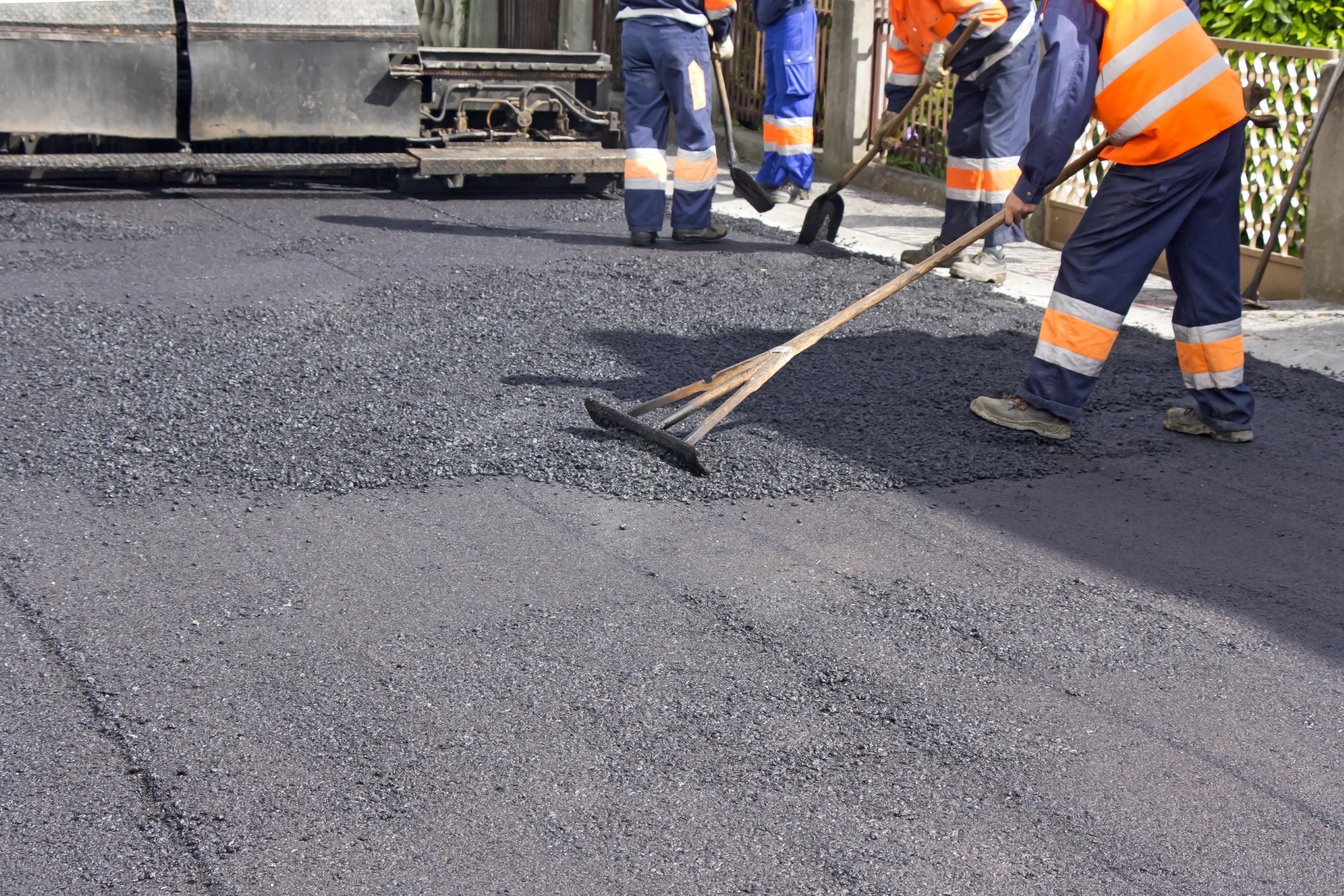
New asphalt typically needs 24 to 72 hours to dry before it can handle light foot traffic and careful driving. Although it may appear solid after a few days, the full curing process, where the asphalt reaches its peak strength, takes much longer—generally from 30 days to a year.
During this extended curing time, the surface remains relatively soft and can be damaged by heavy vehicles, sharp objects, or high temperatures. To protect your investment, it's best to avoid parking heavy machinery on the asphalt until it has fully cured.
The exact time required for drying and curing depends on several factors, including the weather, the specific asphalt mix, and its thickness. For the most accurate advice tailored to your situation, consult with your asphalt contractor.
The Ocracoke, NC homeowners’ guide to asphalt driveway services
From average costs to expert advice, get all the answers you need to get your job done.
Adding a new asphalt driveway to your home can boost its overall appearance and give homeowners a nice ROI down the line. But how long do asphalt driveways last, and what can you do to maximize their lifespans? Read this guide to find out.