We are a locally owned and operated company that values honesty and integrity and treats your home as if it were our own. We specialize in removal of all unwanted items, junk hauling, bed, furniture and appliance removal, garage cleanout, yard debris removal, trash removal, and more! We take great care to work and communicate with every customer in a professional manner. Our reputation is based on service, safety and quality, regardless of how large or small the job.
\nVeteran owned and operated - U.S. Airforce
"Don promptly returned my call for service of my septic tank. I called on a Friday afternoon, and the work was performed on Tuesday morning. He charged a reasonable price and did a very professional job. His assistant Donald, was also very professional. The work took approximately half an hour and was done very efficiently. "
"Well. Only problem was delay in response time after claim was filed online. Water tank started leaking Thanksgiving morning and no reply until I called the Regional Manager."
"Takes for ever to get a return a call. Also took a week to get someone out for repairs. They said they would reimburse me for septic repairs and it took over 3 months for that to happen."
We work hard to bring each customer the best possible service and quality available. We look forward to working with you on your next project. We welcome your questions and thank you for your interest and business.
Act Now Plumbing Inc is the leader in plumbing services in the Greater New Bern & James City, NC area. In business since 2014, we have been taking care of the local community and all of their plumbing needs. We specialize in all things plumbing and we�ll get the water up and flowing in no time.
The pressure in a well pressure tank should be set 2 to 3 PSI below the pump's cut-on pressure. The cut-on pressure is the lower number in the pressure setting (e.g., the '30' in 30/50 PSI) and is the point at which the pump starts. The cut-out pressure is the higher number, where the pump stops.
For example:
If your pressure switch is set to 30/50 PSI, the tank pressure should be 27-28 PSI.
If your pressure switch is set to 40/60 PSI, the tank pressure should be 38 PSI.
Common pressure settings for household applications include 20/40, 30/50, and 40/60 PSI. The difference between the cut-on and cut-out pressure is typically 20 PSI.
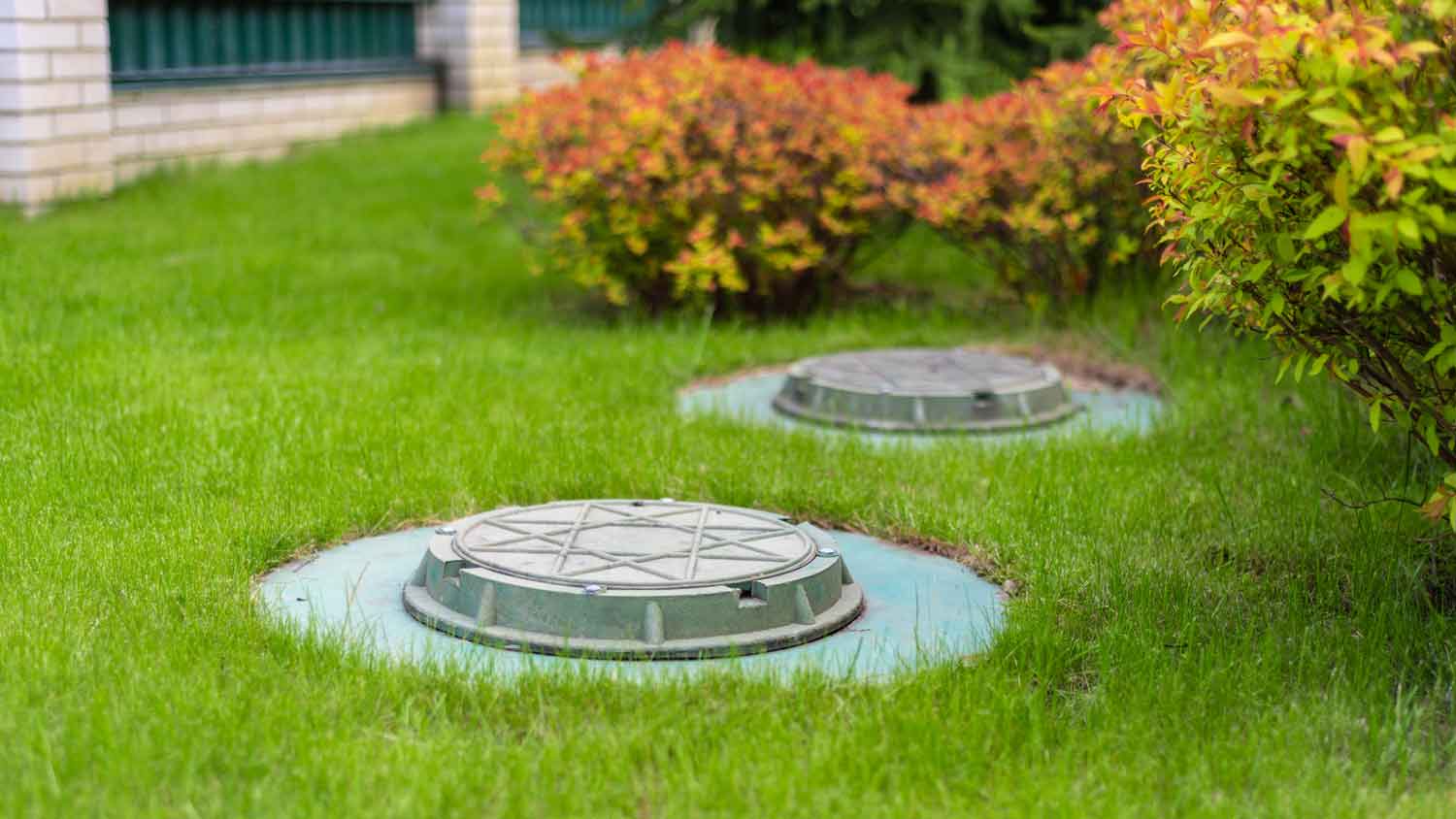
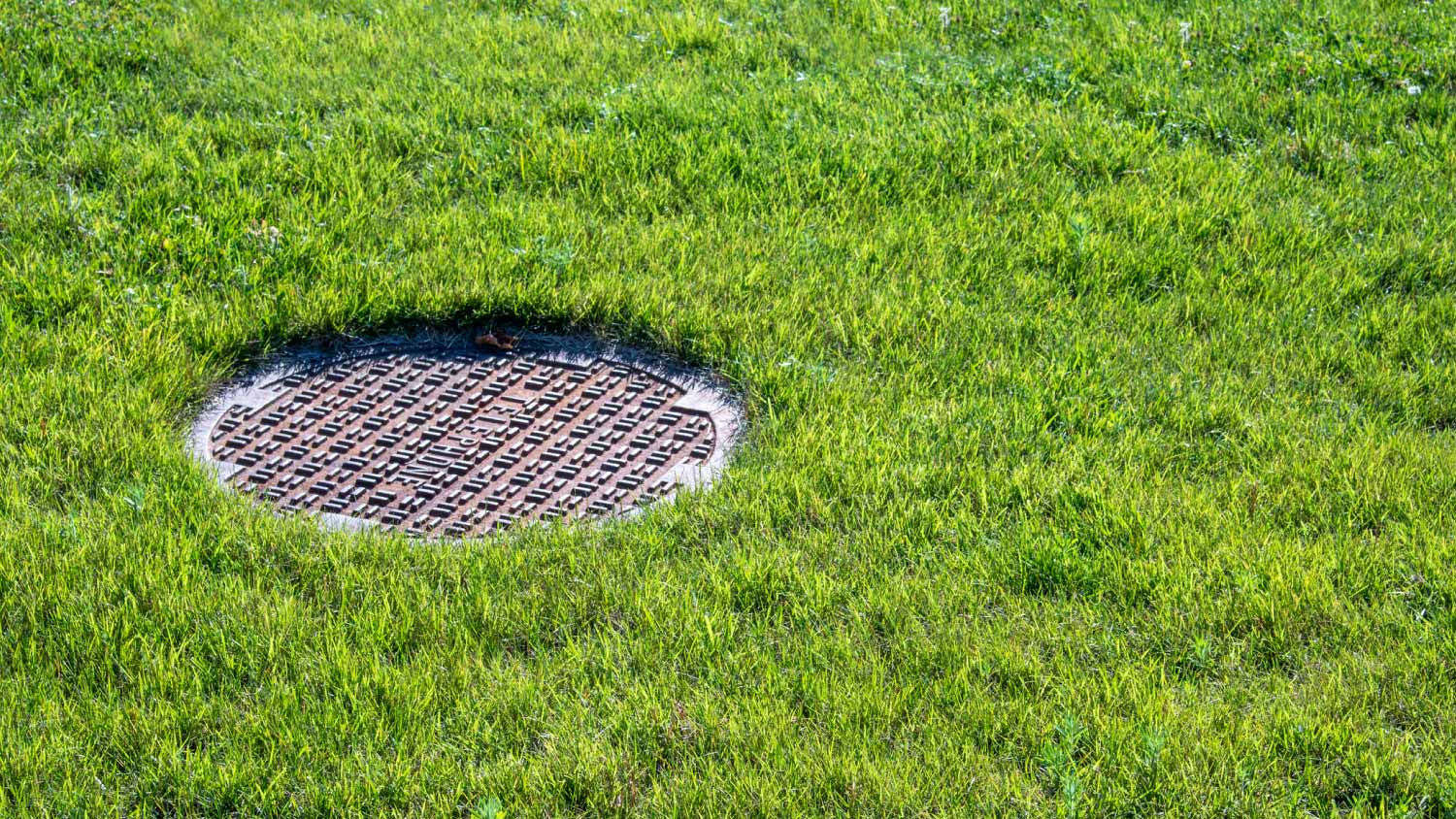
There is no standard depth for burying a septic tank; they are typically buried anywhere from 4 inches to 4 feet underground. The final depth depends on several factors, including the depth of your main sewer line, the height of the bedrock, soil type, local regulations, and the property's landscape. If you plan to grow grass or plants over the tank, a depth of at least 4 to 6 inches is recommended. Deeper tanks can be more difficult to locate, but a septic professional can help find it for you.
A septic system can fail for various reasons, and most commonly, excessive water use or sudden surges in wastewater can overwhelm the system's capacity. Neglecting regular maintenance, like tank pumping and inspections, can also lead to clogs, leaks, and eventual breakdowns. Other issues that lead to failure include age-related wear and tear, root infiltration, improper disposal of non-biodegradable materials or chemicals into the system, unsuitable soil conditions, physical damage, and even environmental factors like flooding or soil erosion.
The average three to four-bedroom home typically uses a well pump rated for 8 to 12 gallons per minute (GPM). To find the most accurate size for your specific needs, a common rule of thumb is to count the number of water fixtures and appliances in your home and aim for that number in GPM. This calculation allows for about one gallon of water per minute per fixture. Because estimating the correct size can be challenging, it's best to have a professional technician make the final determination. A professional can ensure your pump provides sufficient water for your home, especially during peak usage hours.
Frozen well pipes make themselves known quickly, as your faucets slow down to a trickle or shut down completely. If you notice a serious reduction in flow in the winter from toilets, showers, kitchen faucets, and other plumbing fixtures, a frozen pipe or two is to blame. Another tell-tale sign is frost or ice on exposed pipes outside.
The Ocracoke, NC homeowners’ guide to septic tank services
From average costs to expert advice, get all the answers you need to get your job done.
It’s crucial to install a septic tank with the right volume to avoid wastewater backups. This guide will help you calculate the right septic tank volume.
Septic tank sizes vary depending on the size of your home, how many people live there, how much water you use, and more. Read on to learn how to determine the right size for you.