


Top-rated tree service pros.

Best tree service pros near Newport, NC

Enter your zip and get matched with up to 5 pros

Need a pro for your tree service project in Newport, NC?

Select your specific project to find the pro for you.

TRUSTED BY NEWPORT, NC HOMEOWNERS

  • Average homeowner rating star icon4.7
    Average homeowner rating
  • Verified reviews icon446
    Verified tree services reviews

Top-Rated Tree service pros in Newport - Updated Nov 2026

Avatar for WR Land Services LLC
WR Land Services LLC
5.0(
5
)
Tree Removal

Serving Newport, NC and surrounding areas

Approved

In business since 2021

Free estimates

Emergency services offered

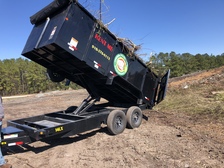
"I have used WCR Hauling on several occasion. The young man, Wade, that has come to my house is prompt and hard working. WCR hauled away a bunch of items that I just didn't know how to get rid of. They did it quickly, cleanly, and their prices were very fair. Especially when you consider that he had to take my stuff to a dump and cover those prices. I would highly recommend them without hesitation."
Forestry Mulching
1 neighbors recently requested a quote
Recommended by75%of homeowners
South East Property Preservation
5.0(
1
)
Tree TrimmingTree Trimming - For Business

Serving Newport, NC and surrounding areas

Approved

In business since 2013

Free estimates

Credit card accepted

South East Property Preservation is a locally owned and operated company that values honesty and integrity in all aspects of our business. Our dedicated team of professionals have over 12 years of hands on experience, to provide innovative ideas and suggestions tailored to your projects. Our services are customized to your individual needs, paying close attention to the details of each project that we are involved with. \n

Response time40 mins
Recommended by100%of homeowners

...
Showing 1-10 of 69
Tree Service FAQs, answered by experts

Unless it’s dead or dangerous, think twice about cutting down a tree in your yard. They’re good for health, well-being, wildlife, and the environment. Plus, local authorities often have regulations prohibiting the removal of trees, especially protected species or individual trees with historical value.

In most cases, you should not use a pruning seal on trees after trimming. Applying a sealant can interfere with the tree's natural healing process, and it does not guarantee protection from pathogens. Instead of sealing the cut, the best practice is to support the tree's natural recovery by providing it with plenty of water and a dormant-style fertilizer. However, there are exceptions. Pruning seals may be recommended for very vulnerable species, like elm trees, in areas where dangerous diseases such as Dutch elm disease are prevalent. In these specific situations, the protection offered by a sealant can outweigh its downsides. For advice tailored to your situation, especially after cutting large branches, it is best to consult a local tree trimming professional.

In the short term, you’ll have a lot of fallen trees to deal with. Tree removal services costs typically start at $200 per tree and increase based on species and size. Then, you’ll have to deal with the loss of trees: That means a loss of shade and a greater risk of rain runoff and erosion. Also, you’ll miss out on the health and aesthetic benefits of having trees on your property, which could even affect the resale value of your home.

That being said, cutting down a tree it’s not always a bad idea. Trees growing too close to rooftops can present fire hazards or debris problems. You may need to remove diseased or dying trees to prevent future issues.

If you want to take your tree-planting hobby beyond your outdoor space, here are a few great ways to do it:

  • Encourage your neighbors to participate in the Arbor Day Foundation’s Tree City USA program, which has a four-step framework that helps communities grow and maintain their own tree cover.

  • Support businesses that plant trees. 

  • Lobby your local government to plant more trees around your community.

  • Donate to a tree-planting charity.

The best time to transplant a tree is when it is dormant. For many trees, this means either in the fall after the leaves have dropped (around October or November) or in early spring before new growth begins (around March). The ideal timing can depend on the type of tree. Deciduous trees do well when moved in early spring or fall, while evergreens are best transplanted in early spring or late summer. For example, pine trees are best moved in early fall, but maples prefer late fall. Avoid transplanting in winter, as the frozen or hard, cold soil poses a significant risk to the roots and prevents the tree from acclimating properly.

The Newport, NC homeowners’ guide to tree services

From average costs to expert advice, get all the answers you need to get your job done.